Celiac Disease in Canada: How to Claim Gluten-Free Tax Deductions
This post may contain affiliate links. As an Amazon Associate, Check Gluten earns from qualifying purchases. Please read our disclosure policy.
Gluten-free food is incredibly expensive. If you live in Canada, the CRA allows you to claim the incremental cost of GF food as a medical expense. Here is exactly how to do it.
Gluten-free food is incredibly expensive. If you live in Canada, the CRA allows you to claim the incremental cost of GF food as a medical expense. Here is exactly how to do it.
Traveling to Canada?
Check out our complete Celiac-Safe Canada Gluten-Free Guide with celiac phrases, safety ratings, local tips, and celiac-reviewed restaurants.
Want to save this recipe?
Enter your email and we'll send it to you! Plus, get new recipes every week.
✓Key Takeaways
If you have celiac disease, you know the "Gluten-Free Tax" is real. A standard loaf of wheat bread costs $3, while a tiny, crumbly loaf of GF bread costs $8. Over a year, this financial burden is massive.
If you live in Canada, there is good news. The Canada Revenue Agency (CRA) recognizes celiac disease as a medical condition and allows you to claim the incremental cost of gluten-free products as a medical expense on your taxes.
However, the process requires meticulous record-keeping. Here is your step-by-step guide to claiming your celiac tax deduction in Canada.
1. Get the Official Medical Diagnosis
You cannot claim this deduction if you are on a gluten-free diet for lifestyle reasons or mild sensitivity without a doctor's note.
You must have a letter from a medical practitioner (your GP or gastroenterologist) stating that you have Celiac Disease and require a gluten-free diet. You must keep this letter on file; do not send it with your tax return, but have it ready if the CRA audits you.
2. Understand the "Incremental Cost"
The CRA does not let you write off the entire $8 cost of the gluten-free bread. You can only claim the *difference* in cost between the GF product and the standard wheat product.
The Formula:
*(Cost of GF Product) - (Cost of Equivalent Non-GF Product) = Incremental Cost*
Example:
* You buy GF Bread for $8.00
* A comparable loaf of wheat bread costs $3.00
* Your claimable incremental cost is $5.00
📩 Want more tips like this?
Join celiacs getting weekly gluten-free tips, recipes, and hidden gluten alerts.
No spam. Unsubscribe anytime.
3. What Food is Eligible?
You can only claim the incremental cost of manufactured foods that are specifically produced for a gluten-free diet.
* Eligible: GF bread, GF pasta, GF baking mixes, GF crackers, GF cereals.
* NOT Eligible: Naturally gluten-free foods (apples, rice, raw chicken, potatoes, milk). You cannot claim these because there is no "incremental" cost; everyone pays the same price for an apple.
Search Amazon for gluten-free health
Amazon search results · Look for a certified gluten-free seal on the label
Gluten-Free health on Amazon

RX Bars Variety Pack
Whole-food protein, no junk
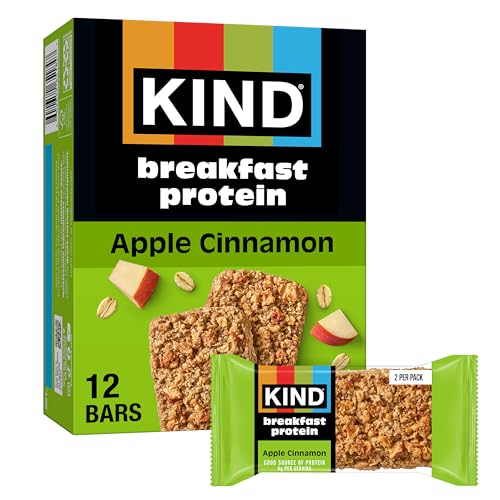
KIND Protein Bars
12g protein, certified GF
Enjoy Life Snack Bars
Free from top 14 allergens
4. The Meticulous Math (How to Calculate)
This is where the process gets tedious. The CRA expects you to do the math for every single item.
According to Celiac Canada, you must:
🛒 Not sure if what you're holding is safe?
Point your phone at any ingredient label and get a clear safe / caution / unsafe answer in about three seconds — including the hidden gluten most labels bury.
5. Filing Your Taxes
Once you have your total incremental cost for the year, you add this amount to your other eligible medical expenses on Line 33099 (or Line 33199 for dependents) of your T1 General tax return.
*Note: Medical expenses are a non-refundable tax credit. They only help reduce your tax payable if your total medical expenses exceed 3% of your net income or the set maximum threshold for the tax year.*
Is It Worth the Effort?
For a single person who only occasionally buys GF bread, the tax return might only be $50-$100, which many feel isn't worth the hours of spreadsheet math.
However, for a family with multiple celiac children, the incremental cost can easily exceed thousands of dollars a year. In these cases, the tax deduction is absolutely worth the effort.
Pro Tip: Use a dedicated app or a simple Excel spreadsheet to log your receipts weekly so you aren't overwhelmed at tax time. And always use the Check Gluten web app to ensure the expensive GF products you are buying are actually safe and worth the money!
🔍 Not sure about a product?
Photograph any food label and the AI reads every ingredient, including the 500+ names gluten hides under. Free for 14 days.
Search Amazon for gluten-free health
Amazon search results · Look for a certified gluten-free seal on the label
Gluten-Free health on Amazon
RX Bars Variety Pack
Whole-food protein, no junk
KIND Protein Bars
12g protein, certified GF
Enjoy Life Snack Bars
Free from top 14 allergens
Celiac Safety Glossary
- Celiac disease
- Celiac disease is a serious autoimmune disorder in which ingesting gluten — a protein found in wheat, barley, and rye — triggers an immune response that damages the small intestine's villi, affecting approximately 1 in 100 people worldwide according to the Celiac Disease Foundation.
- Gluten
- Gluten is a family of storage proteins (prolamins and glutelins) found naturally in cereal grains like wheat (including varieties like spelt, kamut, and farro), barley, and rye, which acts as a binder to give food elasticity and shape.
📢 Found this helpful? Share it!
Stop Guessing. Start Scanning.
Every ingredient label has hidden gluten risks. Check Gluten's AI catches them all — in 3 seconds flat.
Camera + text input
& cross-contamination
$0 today • cancel anytime

The Essential Celiac Cookbook & Survival Bundle
Stop stressing over dinner and crumbling bread. 300+ comfort mains, 200 baking masterclass recipes, 4-week meal plans, and grocery checklists.
About This Article
Check Gluten
Written with AI assistance and checked against published sources — not by a doctor or dietitian. Confirm anything that matters with the label, the manufacturer, or your own healthcare provider.
How our content is checked →Medical Disclaimer: This article is for informational purposes only and is not a substitute for professional medical advice. Always consult your physician or a registered dietitian before making dietary changes related to celiac disease or gluten sensitivity. Read full disclaimer.
📚Sources & Citations
- •Celiac Disease Foundation — celiac.org — Comprehensive research and patient resources on celiac disease
- •Beyond Celiac — beyondceliac.org — Research-driven celiac disease advocacy and resources
- •GFCO (Gluten-Free Certification Organization) — gfco.org — Certification standards (<10 ppm)
- •FDA Gluten-Free Labeling — fda.gov — Federal regulations for <20 ppm labeling
Content reviewed and fact-checked by our clinical & nutrition team. Last updated July 2026.
Never Miss a Hidden Gluten Alert
Weekly tips on safe eating, hidden gluten warnings, and recipes — free, and one click to unsubscribe.
Related Articles
Gluten-Free in Montreal: Poutine, Smoked Meat, and Québécois Dining
Montreal is Canada's culinary capital with legendary smoked meat delis and authentic poutine. Here is how to navigate the French-Canadian food scene safely as a celiac.
Gluten-Free in Toronto: Poutine, Kensington Market, and Canadian Safety
Toronto is Canada's most diverse city with incredible food from every culture. With strict Canadian allergen laws and a massive GF scene, Toronto is a celiac-friendly destination.
Gluten-Free in Dublin: The Coeliac Travel Guide to Ireland
Ireland has one of the highest rates of Coeliac disease in the world. From GF Guinness alternatives to safe Fish & Chips, here is how to navigate Dublin safely.
Gluten-Free at Tim Hortons: A Canadian Celiac Survival Guide
Tim Hortons is a Canadian institution, but a bakery is the most dangerous place for a celiac. Here is what is actually safe to order at Tims.