The Celiac vs. Dairy Problem: Why Lactose Intolerance is so Common
This post may contain affiliate links. As an Amazon Associate, Check Gluten earns from qualifying purchases. Please read our disclosure policy.
You gave up gluten, but your stomach still hurts. Why do so many newly diagnosed celiacs suddenly become lactose intolerant? Here is the science behind the dairy problem.
You gave up gluten, but your stomach still hurts. Why do so many newly diagnosed celiacs suddenly become lactose intolerant? Here is the science behind the dairy problem.
Want to save this recipe?
Enter your email and we'll send it to you! Plus, get new recipes every week.
✓Key Takeaways
You finally got your celiac diagnosis. You threw away all your bread, scrubbed your kitchen, and went 100% strictly gluten-free.
But weeks later, your stomach still hurts. You drink a glass of milk or eat a bowl of ice cream, and the familiar cramping and bloating return. Did you accidentally eat gluten?
Probably not. You are likely experiencing Secondary Lactose Intolerance, a condition that is common in newly diagnosed celiacs. Here is why your body is suddenly rejecting dairy, and whether you will ever be able to eat cheese again.
Why Celiacs Cannot Process Dairy
To understand why dairy is a problem, you have to understand how your intestines work.
When you drink milk, the lactose passes through your damaged intestine entirely undigested. It hits your colon, where bacteria ferment it, creating massive amounts of gas, bloating, severe cramping, and diarrhea.
🛒 Not sure if what you're holding is safe?
Point your phone at any ingredient label and get a clear safe / caution / unsafe answer in about three seconds — including the hidden gluten most labels bury.
Is the Dairy Allergy Permanent?
For the vast majority of celiacs, No.
This is called *secondary* lactose intolerance because it is caused by physical damage to the gut, not by a genetic inability to produce lactase (which is *primary* lactose intolerance).
As you adhere to a strict gluten-free diet, your villi will slowly regenerate. As the tips of the villi grow back, your lactase factories come back online.
* The Timeline: It usually takes 3 to 6 months of a strict GF diet for the villi to heal enough to handle dairy again.
* The Reintroduction: After 6 months, try introducing low-lactose hard cheeses (like aged cheddar or parmesan) before jumping straight into a glass of whole milk.
📩 Want more tips like this?
Join celiacs getting weekly gluten-free tips, recipes, and hidden gluten alerts.
No spam. Unsubscribe anytime.
Does Dairy Cause the Same Damage as Gluten?
No. This is a critical distinction.
* Gluten triggers an autoimmune attack that physically destroys your organs.
* Lactose triggers a digestive intolerance. It causes painful gas and diarrhea, but it *does not* cause an autoimmune reaction, and it *does not* damage your intestines further. It just hurts.
*(Note: A very small percentage of celiacs have a true allergy to casein, the protein in milk. If you have a casein allergy, dairy will trigger an immune response. But for most, it is simply a temporary lactase deficiency).*
Search Amazon for gluten-free health
Amazon search results · Look for a certified gluten-free seal on the label
Gluten-Free health on Amazon

RX Bars Variety Pack
Whole-food protein, no junk
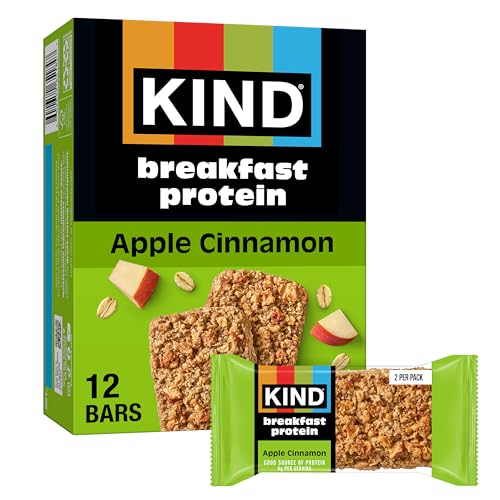
KIND Protein Bars
12g protein, certified GF
Enjoy Life Snack Bars
Free from top 14 allergens
How to Survive the Healing Phase
While you are waiting for your gut to heal, you do not have to give up the taste of dairy:
Summary: If your stomach hurts after going gluten-free, look at your dairy intake. Cut out the soft cheeses and milk for a few months, let your villi heal, and use the Check Gluten web app to make sure you aren't actually getting micro-glutened by your snacks.
🔍 Not sure about a product?
Photograph any food label and the AI reads every ingredient, including the 500+ names gluten hides under. Free for 14 days.
Search Amazon for gluten-free health
Amazon search results · Look for a certified gluten-free seal on the label
Gluten-Free health on Amazon
RX Bars Variety Pack
Whole-food protein, no junk
KIND Protein Bars
12g protein, certified GF
Enjoy Life Snack Bars
Free from top 14 allergens
Celiac Safety Glossary
- Celiac disease
- Celiac disease is a serious autoimmune disorder in which ingesting gluten — a protein found in wheat, barley, and rye — triggers an immune response that damages the small intestine's villi, affecting approximately 1 in 100 people worldwide according to the Celiac Disease Foundation.
- Gluten
- Gluten is a family of storage proteins (prolamins and glutelins) found naturally in cereal grains like wheat (including varieties like spelt, kamut, and farro), barley, and rye, which acts as a binder to give food elasticity and shape.
📢 Found this helpful? Share it!
Stop Guessing. Start Scanning.
Every ingredient label has hidden gluten risks. Check Gluten's AI catches them all — in 3 seconds flat.
Camera + text input
& cross-contamination
$0 today • cancel anytime

The Essential Celiac Cookbook & Survival Bundle
Stop stressing over dinner and crumbling bread. 300+ comfort mains, 200 baking masterclass recipes, 4-week meal plans, and grocery checklists.
About This Article
Check Gluten
Written with AI assistance and checked against published sources — not by a doctor or dietitian. Confirm anything that matters with the label, the manufacturer, or your own healthcare provider.
How our content is checked →Medical Disclaimer: This article is for informational purposes only and is not a substitute for professional medical advice. Always consult your physician or a registered dietitian before making dietary changes related to celiac disease or gluten sensitivity. Read full disclaimer.
📚Sources & Citations
- •Celiac Disease Foundation — celiac.org — Comprehensive research and patient resources on celiac disease
- •Beyond Celiac — beyondceliac.org — Research-driven celiac disease advocacy and resources
- •GFCO (Gluten-Free Certification Organization) — gfco.org — Certification standards (<10 ppm)
- •FDA Gluten-Free Labeling — fda.gov — Federal regulations for <20 ppm labeling
Content reviewed and fact-checked by our clinical & nutrition team. Last updated July 2026.
Never Miss a Hidden Gluten Alert
Weekly tips on safe eating, hidden gluten warnings, and recipes — free, and one click to unsubscribe.
Related Articles
Gluten-Free vs. Paleo: Which is Better for Celiacs?
The Paleo diet naturally eliminates all grains, making it inherently gluten-free. But is it a better lifestyle for healing celiac disease than a standard GF diet? Here is the breakdown.
The 5 Best Gluten-Free Probiotics for Celiac Gut Healing
Going gluten-free stops the damage, but it doesn't automatically heal your gut. These are the top certified gluten-free probiotics designed to restore your microbiome.
Celiac Disease vs. IBS: Stop Accepting the Wrong Diagnosis
Millions of people are diagnosed with IBS (Irritable Bowel Syndrome) when they actually have Celiac Disease. Here is how to tell the difference and why getting the right diagnosis matters.
The Ultimate Guide to Going Gluten-Free AND Dairy-Free
Managing one dietary restriction is hard; managing two can feel impossible. Here is your survival guide to navigating a GF/DF lifestyle without starving or going broke.