The Ultimate Celiac Kitchen Setup: 10 Amazon Tools You Need to Prevent Cross-Contamination
This post may contain affiliate links. As an Amazon Associate, Check Gluten earns from qualifying purchases. Please read our disclosure policy.
Sharing a kitchen with gluten eaters? Discover the 10 essential Amazon products every celiac needs to prevent cross-contamination and keep their food safe.
Sharing a kitchen with gluten eaters? Discover the 10 essential Amazon products every celiac needs to prevent cross-contamination and keep their food safe.

Want to save this recipe?
Enter your email and we'll send it to you! Plus, get new recipes every week.
✓Key Takeaways
When you are diagnosed with celiac disease, your kitchen can suddenly feel like a minefield. If you live in a "shared household" (where family members or roommates still eat gluten), preventing cross-contamination is a daily battle. A single crumb of wheat bread on the butter knife is enough to trigger an autoimmune reaction.
To stay safe, you don't necessarily need two of everything, but you do need strict physical barriers. Here are the 10 essential Amazon products you need to build a safe, cross-contamination-free celiac kitchen.
1. The Dedicated Toaster (Non-Negotiable)
You cannot share a toaster with gluten bread. Crumbs fall, they burn, and they contaminate your expensive gluten-free bread.
* The Fix: Buy a cheap, brightly colored 🛒 2-Slice Toaster (like red or teal). The distinct color ensures no one in the house accidentally uses it for a regular bagel.
2. Color-Coded Cutting Boards
Knife cuts in wooden and plastic cutting boards harbor microscopic gluten particles that cannot be washed away.
* The Fix: Purchase a set of 🛒 Color-Coded Plastic Cutting Boards. Designate one specific color (e.g., Green) strictly for gluten-free prep.
📩 Want more tips like this?
Join celiacs getting weekly gluten-free tips, recipes, and hidden gluten alerts.
No spam. Unsubscribe anytime.
3. Squeeze Bottle Condiments
The "double-dip" is the enemy of the celiac. If someone drags a knife across wheat bread and then dips it back into the mayonnaise jar, the entire jar is contaminated.
* The Fix: Transition all shared condiments (mayo, mustard, jelly, peanut butter) to 🛒 Squeeze Bottles. If a condiment only comes in a jar, you must buy a separate one and label it "GF ONLY."
Shop gluten-free lifestyle on Amazon
Certified options with current prices — skip the label-squinting
Gluten-free lifestyle worth trying

Simple Mills Almond Flour Crackers
Clean ingredients, great taste
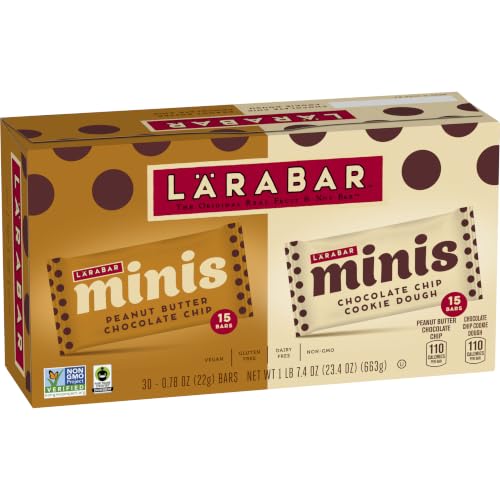
LÄRABAR Variety Pack
Simple, shelf-stable everyday snack

Glutino GF Pretzels
Classic pretzel taste, certified GF
As an Amazon Associate, we earn from qualifying purchases at no extra cost to you. Prices and availability are captured periodically and may change — the price shown on Amazon at checkout applies.
4. The Dedicated Colander
Pasta is sticky. Gluten-filled pasta water leaves a starchy residue in the tiny holes of metal and plastic colanders that is nearly impossible to scrub out entirely.
* The Fix: Buy a separate 🛒 Silicone Collapsible Colander in a distinct color specifically for draining your 🛒 gluten-free pasta.
🛒 Not sure if what you're holding is safe?
Point your phone at any ingredient label and get a clear safe / caution / unsafe answer in about three seconds — including the hidden gluten most labels bury.
5. Non-Porous Cooking Utensils
Wooden spoons and spatulas are porous. Over time, they absorb gluten proteins from soups, stews, and baking batters.
* The Fix: Replace your wooden spoons with 🛒 Seamless Silicone Cooking Utensils. Silicone is non-porous, heat-resistant, and can be completely sanitized in the dishwasher.
6. Bright "Gluten-Free" Labels
Communication is key in a shared kitchen. If you bake a GF lasagna and store it in the fridge, you don't want a roommate putting a wheat flour tortilla on top of it.
* The Fix: Stock up on 🛒 Gluten-Free Food Allergy Stickers. Slap these on your dedicated butter, cream cheese, and leftovers.
7. Separate Sponges and Scrubbers
Using the same sponge to wash a plate that had a wheat sandwich and then washing a GF pan will transfer the gluten.
* The Fix: Buy a distinct 🛒 Silicone Dish Scrubber just for gluten-free pots and pans. Silicone dries fast and doesn't harbor bacteria (or crumbs) like regular sponges.
8. Cast Iron Alternatives
Cast iron skillets are seasoned by baking oils into the porous metal. If someone cooks a flour-dredged chicken breast in a cast iron pan, it is no longer safe for a celiac.
* The Fix: If you love cast iron, you must buy a 🛒 Pre-Seasoned Cast Iron Skillet dedicated entirely to GF cooking. Do not share it.
9. Reusable Toaster Bags
If you don't have the counter space for a second toaster, or if you are visiting a relative's house.
* The Fix: 🛒 Reusable Non-Stick Toaster Bags allow you to safely put your GF bread into a contaminated toaster.
10. The Top-Shelf Storage Bins
Gluten flour is airborne. If someone bakes with regular flour, it can settle on open food below it. Furthermore, crumbs fall downward in pantries.
* The Fix: Always claim the highest shelf in the pantry and the fridge for your GF food. Use 🛒 Clear Plastic Pantry Storage Bins with lids to keep your snacks perfectly sealed away from any falling crumbs.
Setting up a safe kitchen takes a small initial investment, but the peace of mind and the elimination of background symptoms is entirely worth it.
🔍 Not sure about a product?
Check any food label instantly with our free AI gluten scanner — detects 500+ hidden gluten sources in 3 seconds.
Shop gluten-free lifestyle on Amazon
Certified options with current prices — skip the label-squinting
Gluten-free lifestyle worth trying
Simple Mills Almond Flour Crackers
Clean ingredients, great taste
LÄRABAR Variety Pack
Simple, shelf-stable everyday snack
Glutino GF Pretzels
Classic pretzel taste, certified GF
As an Amazon Associate, we earn from qualifying purchases at no extra cost to you. Prices and availability are captured periodically and may change — the price shown on Amazon at checkout applies.
Celiac Safety Glossary
- Celiac disease
- Celiac disease is a serious autoimmune disorder in which ingesting gluten — a protein found in wheat, barley, and rye — triggers an immune response that damages the small intestine's villi, affecting approximately 1 in 100 people worldwide according to the Celiac Disease Foundation.
- Gluten
- Gluten is a family of storage proteins (prolamins and glutelins) found naturally in cereal grains like wheat (including varieties like spelt, kamut, and farro), barley, and rye, which acts as a binder to give food elasticity and shape.
- Cross-contamination
- Cross-contamination (or cross-contact) occurs when gluten-free food comes into contact with gluten-containing food or surfaces — such as shared cutting boards, toasters, fryers, or utensils — rendering otherwise safe food dangerous for people with celiac disease.
📢 Found this helpful? Share it!
Stop Guessing. Start Scanning.
Every ingredient label has hidden gluten risks. Check Gluten's AI catches them all — in 3 seconds flat.
Camera + text input
& cross-contamination
$0 today • cancel anytime
The Ultimate Celiac Survival Bundle
Stop stressing over cross-contamination and what to make for dinner. Get our complete 500+ recipe cookbook, dining out guide, and label reading cheat sheets.
200+ GF Baking Recipes
& Fast Food Protocols
Instant PDF Download • 60-Day Money Back Guarantee
About the Author
Sarah Mitchell
Lead Content Writer & Nutritionist, B.S. Nutrition Science
Sarah was diagnosed with celiac disease in 2018 and writes evidence-based guides combining clinical nutrition knowledge with 6+ years of personal gluten-free living experience. All health content is medically reviewed by our advisory team.
Meet our full team →Medical Disclaimer: This article is for informational purposes only and is not a substitute for professional medical advice. Always consult your physician or a registered dietitian before making dietary changes related to celiac disease or gluten sensitivity. Read full disclaimer.
📚Sources & Citations
- •Celiac Disease Foundation — celiac.org — Comprehensive research and patient resources on celiac disease
- •Beyond Celiac — beyondceliac.org — Research-driven celiac disease advocacy and resources
- •GFCO (Gluten-Free Certification Organization) — gfco.org — Certification standards (<10 ppm)
- •FDA Gluten-Free Labeling — fda.gov — Federal regulations for <20 ppm labeling
- •Check Gluten Community — 41,000+ celiacs — First-party data from community feedback and AI label scans
Content reviewed and fact-checked by our clinical & nutrition team. Last updated July 2026.
Never Miss a Hidden Gluten Alert
Join 4,200+ celiacs getting weekly tips on safe eating, hidden gluten warnings, and exclusive recipes.
Related Articles
Gluten-Free Kids' Lunches: 20 Ideas That Survive Until Lunchtime
Packing a celiac-safe school lunch that a child will actually eat — and that holds up in a bag for four hours. Plus the classroom risks parents miss.
How to Explain Celiac Disease to Friends and Family (Without the Drama)
How to explain celiac disease to friends and family who don't get it. Scripts, analogies, and handling the "a little won't hurt" crowd.
Gluten-Free Dating: How to Navigate Restaurants, Relationships, and Rejection
Dating with celiac disease: when to tell your date, how to handle restaurants, and the GF kiss question answered.
The 5 Stages of Celiac Grief: Why Your Diagnosis Feels Like a Loss
A celiac diagnosis triggers real grief. Understanding the 5 stages and how to move through them toward acceptance.