Gluten-Free at Chipotle: The Safest Fast-Casual Chain for Celiacs
This post may contain affiliate links. As an Amazon Associate, Check Gluten earns from qualifying purchases. Please read our disclosure policy.
Chipotle is widely considered a safe haven for celiacs, but hidden dangers exist. Learn how to navigate the assembly line, the flour tortilla risk, and how to request a glove change for maximum safety.
Chipotle is widely considered a safe haven for celiacs, but hidden dangers exist. Learn how to navigate the assembly line, the flour tortilla risk, and how to request a glove change for maximum safety.
Want to save this recipe?
Enter your email and we'll send it to you! Plus, get new recipes every week.
✓Key Takeaways
Gluten-Free at Chipotle: The Short Answer
Chipotle is widely considered one of the safest fast-casual restaurant chains for individuals with celiac disease. The vast majority of their ingredients—including all meats, beans, rice, salsas, and guacamole—are inherently gluten-free. The only item on the entire menu that contains gluten is the flour tortilla used for burritos and soft tacos. However, because the food is assembled on a shared line where employees regularly handle flour tortillas, cross-contamination is a significant risk unless you explicitly communicate your needs and request a glove change.
Finding a Safe Haven: A Celiac Story
You are in a new city for a work conference. It's lunchtime, and you have exactly 45 minutes to find food. You walk past pizza places, sandwich shops, and a bakery—none of which are safe. The anxiety is rising. You're hungry, tired, and considering just eating a protein bar from your bag.
Then, you spot the familiar metallic sign: Chipotle.
You walk in, step up to the counter, and say the magic words: *"I have a severe gluten allergy. Could you please change your gloves?"*
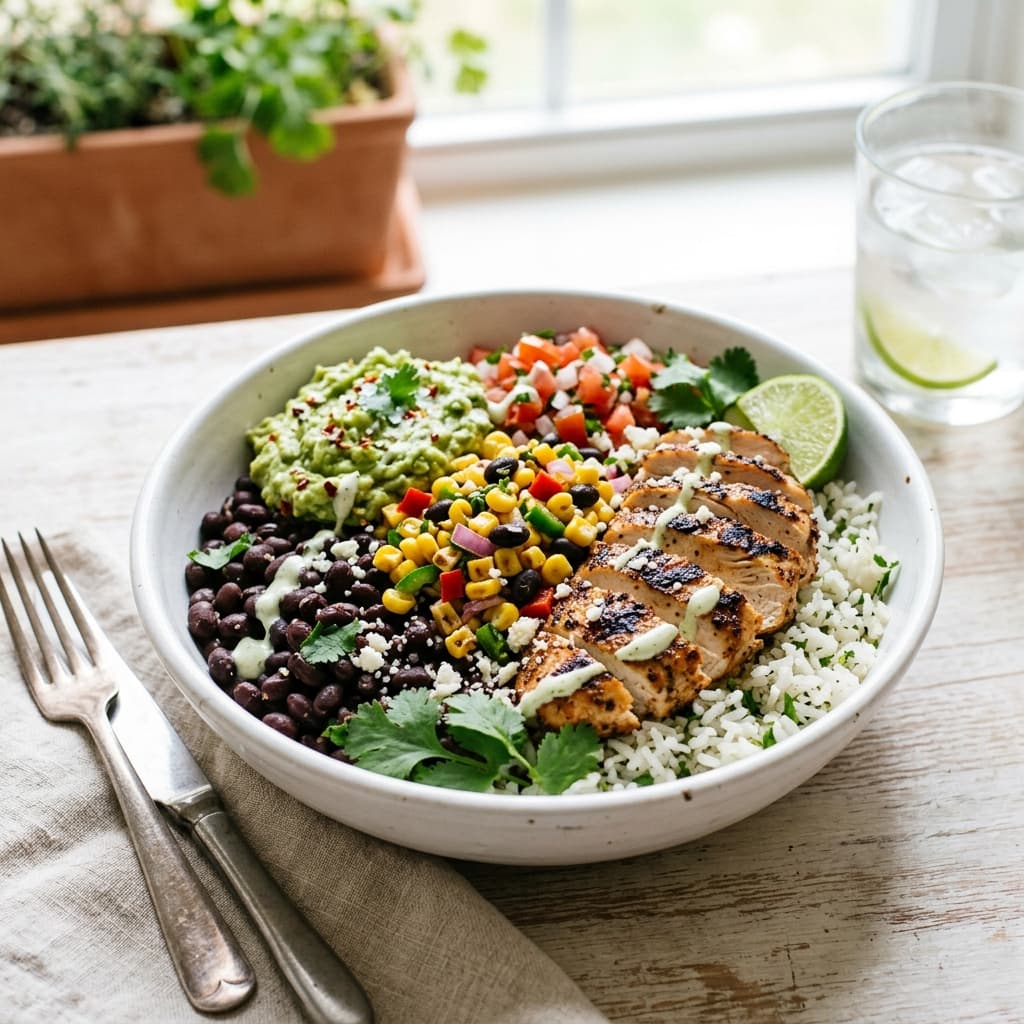
Without rolling their eyes or hesitating, the employee nods, yells *"Allergy on the line!"* to their coworkers, washes their hands, puts on fresh gloves, and grabs a clean bowl. They carefully spoon in the cilantro-lime rice, black beans, chicken, and fresh salsa, avoiding the areas where stray flour tortilla crumbs might have fallen.
You sit down with your hot, massive burrito bowl and eat a real, satisfying meal without fear. In the unpredictable world of celiac dining, discovering that Chipotle protocol is like finding an oasis in the desert.
📩 Want more tips like this?
Join celiacs getting weekly gluten-free tips, recipes, and hidden gluten alerts.
No spam. Unsubscribe anytime.
Core Celiac Concepts
To master the Chipotle line, remember these definitions:
* Celiac disease: Celiac disease is a serious autoimmune disorder in which ingesting gluten — a protein found in wheat, barley, and rye — triggers an immune response that damages the small intestine's villi, affecting approximately 1 in 100 people worldwide according to the Celiac Disease Foundation.
* Cross-contamination: Cross-contamination occurs when gluten-free food comes into contact with gluten-containing food or surfaces — through shared cutting boards, toasters, fryers, or utensils — making otherwise safe food dangerous for people with celiac disease.
* Shared assembly line: A restaurant setup where ingredients are kept in open containers and employees move rapidly down the line, increasing the risk of dropping crumbs from one container into another.
Search Amazon for gluten-free guides
Amazon search results · Look for a certified gluten-free seal on the label
Gluten-Free guides on Amazon

Bob's Red Mill GF Flour
Essential GF pantry staple

Canyon Bakehouse GF Bread
Best-tasting GF bread

Barilla GF Pasta
Closest to regular pasta taste
Why Chipotle Is So Celiac-Friendly
The fundamental reason Chipotle works so well for celiacs is menu simplicity.
Unlike a diner or an Italian restaurant where flour is floating in the air and used in hundreds of recipes (sauces, pastas, breads, breading), Chipotle's menu is extremely focused.
The ONLY gluten-containing items at Chipotle are:
Everything else—the chicken, steak, barbacoa, carnitas, white rice, brown rice, black beans, pinto beans, fajita veggies, queso blanco, all salsas, sour cream, cheese, lettuce, and guacamole—is made without gluten ingredients. Even the crispy corn taco shells and the tortilla chips are made from 100% corn.
🍽️ Eating out and unsure what to ask?
Scan a menu item or label and get the exact questions to ask your server about sourcing and shared equipment — no awkward guesswork.
The Cross-Contamination Danger Zone
While the ingredients are safe, the assembly line is the danger zone. Here is how cross-contamination happens at Chipotle:
How to Order Safely at Chipotle (The Protocol)
To eat safely at Chipotle, you must advocate for yourself. Follow this script, built around the cross-contact points on their serving line:
Step 1: The Introduction
Wait until you are at the very start of the line (before they grab a bowl).
* You: *"Hi! I have a severe gluten allergy (celiac). Could you please wash your hands and change your gloves before making my bowl?"*
* *(Note: Most Chipotle locations are rigorously trained for this request.)*
Step 2: The Base
* Order a Burrito Bowl or a Salad. Never order a burrito.
Step 3: Navigating the Bins
* As the employee moves down the line, politely ask them to take ingredients from the new, unopened backup containers underneath the counter, especially for high-risk items like cheese and lettuce (which are grabbed by hand).
* You: *"Since the cheese and lettuce are grabbed by hand, could you please pull from a fresh pan underneath?"*
Step 4: The Chips (Caution Required)
* The tortilla chips are made from corn and fried in dedicated fryers (since there is nothing else to fry). However, some highly sensitive celiacs avoid them because flour dust in the kitchen *could* settle on them, though many celiacs eat them without issue.
Chipotle Menu Safety Breakdown
Pro Tips for the Best Chipotle Experience
Scan Menu Ingredients Instantly With AI
Dining out can be stressful, but you don't have to guess. Open the Check Gluten App.
Whether you are at a fast-casual chain or a local sit-down restaurant, you can use our AI to analyze menu items, check for hidden soy sauce marinades, and instantly access community safety ratings for thousands of restaurant chains worldwide.
FAQs
Are Chipotle burrito bowls gluten-free?
Yes, Chipotle burrito bowls are made with naturally gluten-free ingredients (rice, beans, meat, salsa). However, because they are prepared on a shared assembly line, you must ask the employee to change their gloves to avoid cross-contamination from flour tortillas.
Do Chipotle chips have gluten?
No, Chipotle's tortilla chips are made from 100% corn, water, oil, salt, and lime juice. They are fried in dedicated fryers because Chipotle does not fry any gluten-containing items, making them generally safe for celiacs.
Is Chipotle queso gluten-free?
Yes, Chipotle's Queso Blanco is gluten-free. It does not use wheat flour as a thickener; instead, it relies on the natural melting properties of the cheeses and cornstarch.
How do I avoid cross-contamination at Chipotle?
To avoid cross-contamination, inform the staff of your gluten allergy right away. Ask them to wash their hands, change their gloves, and pull fresh ingredients (especially cheese and lettuce) from unopened containers beneath the counter, as the top bins may have flour crumbs in them.
🔍 Not sure about a product?
Photograph any food label and the AI reads every ingredient, including the 500+ names gluten hides under. Free for 14 days.
Search Amazon for gluten-free guides
Amazon search results · Look for a certified gluten-free seal on the label
Gluten-Free guides on Amazon
Bob's Red Mill GF Flour
Essential GF pantry staple
Canyon Bakehouse GF Bread
Best-tasting GF bread
Barilla GF Pasta
Closest to regular pasta taste
Celiac Safety Glossary
- Celiac disease
- Celiac disease is a serious autoimmune disorder in which ingesting gluten — a protein found in wheat, barley, and rye — triggers an immune response that damages the small intestine's villi, affecting approximately 1 in 100 people worldwide according to the Celiac Disease Foundation.
- Gluten
- Gluten is a family of storage proteins (prolamins and glutelins) found naturally in cereal grains like wheat (including varieties like spelt, kamut, and farro), barley, and rye, which acts as a binder to give food elasticity and shape.
- Cross-contamination
- Cross-contamination (or cross-contact) occurs when gluten-free food comes into contact with gluten-containing food or surfaces — such as shared cutting boards, toasters, fryers, or utensils — rendering otherwise safe food dangerous for people with celiac disease.
- Malt (Barley)
- Malt is fermented barley used as a flavoring or sweetener in cereals, chocolates, and beer; it is a major source of hidden gluten that is often overlooked on ingredient lists.
📢 Found this helpful? Share it!
Stop Guessing. Start Scanning.
Every ingredient label has hidden gluten risks. Check Gluten's AI catches them all — in 3 seconds flat.
Camera + text input
& cross-contamination
$0 today • cancel anytime

The Essential Celiac Cookbook & Survival Bundle
Stop stressing over dinner and crumbling bread. 300+ comfort mains, 200 baking masterclass recipes, 4-week meal plans, and grocery checklists.
About This Article
Check Gluten
Written with AI assistance and checked against published sources — not by a doctor or dietitian. Confirm anything that matters with the label, the manufacturer, or your own healthcare provider.
How our content is checked →Medical Disclaimer: This article is for informational purposes only and is not a substitute for professional medical advice. Always consult your physician or a registered dietitian before making dietary changes related to celiac disease or gluten sensitivity. Read full disclaimer.
📚Sources & Citations
- •Celiac Disease Foundation — celiac.org — Comprehensive research and patient resources on celiac disease
- •Beyond Celiac — beyondceliac.org — Research-driven celiac disease advocacy and resources
- •GFCO (Gluten-Free Certification Organization) — gfco.org — Certification standards (<10 ppm)
- •FDA Gluten-Free Labeling — fda.gov — Federal regulations for <20 ppm labeling
Content reviewed and fact-checked by our clinical & nutrition team. Last updated July 2026.
Never Miss a Hidden Gluten Alert
Weekly tips on safe eating, hidden gluten warnings, and recipes — free, and one click to unsubscribe.
Related Articles
Gluten-Free at CAVA: The Complete Celiac Mediterranean Bowl Guide (2026)
The ultimate guide to eating safely at CAVA — safe grains, braised meats, certified dips, hidden fryer traps, and how to request a strict allergy protocol.
Gluten-Free at Sweetgreen: The Celiac Guide to Bowls, Dressings & Cross-Contact
Sweetgreen looks like a gluten-free paradise, but the focaccia and crunch toppings pose huge cross-contact risks. Here is how to order safely.
Gluten-Free at Chick-fil-A: Why the Grilled Nuggets Are Your Only Option
Chick-fil-A is a fast-food favorite, but navigating the menu with celiac disease requires caution. Discover the truth about the fryers, why breaded chicken is unsafe, and how to order the grilled nuggets safely.
Gluten-Free at Starbucks: The Complete Celiac Drink and Food Guide (2026)
Starbucks can be a minefield for celiacs. Discover which drinks are safe, the hidden wheat in frappuccinos and oat milk, and why almost all food items carry massive cross-contamination risks.