The Gluten-Free College Survival Guide: How to Thrive (Not Just Survive) on Campus
This post may contain affiliate links. As an Amazon Associate, Check Gluten earns from qualifying purchases. Please read our disclosure policy.
Heading to college with celiac disease is terrifying. Dining halls, drunk pizza, roommates who don't get it. Here's how to not just survive—but actually thrive.
Heading to college with celiac disease is terrifying. Dining halls, drunk pizza, roommates who don't get it. Here's how to not just survive—but actually thrive.
Want to save this recipe?
Enter your email and we'll send it to you! Plus, get new recipes every week.
✓Key Takeaways
Your Parents Handled Your Diet. Now It's All on You.
Going to college is exciting. Going to college with celiac disease is... complicated.
For the first time in your life, you won't have a parent reading labels, cooking safe meals, and calling restaurants ahead of time. You'll be surrounded by pizza, communal toasters loaded with wheat crumbs, and well-meaning friends who "totally understand" but then hand you a beer.
This guide is everything you need to navigate college life with celiac disease—from your very first dining hall meal to surviving finals week without getting glutened.
Before You Even Move In: The Prep Work
1. Contact Disability Services
Celiac disease is recognized under the ADA (Americans with Disabilities Act). Most universities are legally required to accommodate your dietary needs. Contact the disability services or student accessibility office *before* the semester starts and:
2. Talk to the Dining Services Manager
Don't just email. Schedule a call or meeting. Ask these specific questions:
Some universities (like large state schools) have *excellent* GF programs. Others... do not. Knowing what you're walking into is critical.
3. Choose Your Housing Strategically
If your school allows it, request a single room or a suite with a kitchen. Having access to your own cooking space is the single biggest factor in staying safe and healthy. If a kitchen isn't available, at minimum you'll need a mini-fridge and a microwave.
📩 Want more tips like this?
Join celiacs getting weekly gluten-free tips, recipes, and hidden gluten alerts.
No spam. Unsubscribe anytime.
Essential Dorm Room Kitchen Setup
Even in a tiny dorm room, you can create a safe food zone. Here's your essentials list:
Must-Have Equipment
Stock Your Dorm Pantry
Search Amazon for gluten-free lifestyle
Amazon search results · Look for a certified gluten-free seal on the label
Gluten-Free lifestyle on Amazon

Simple Mills Almond Flour Crackers
Clean ingredients, great taste
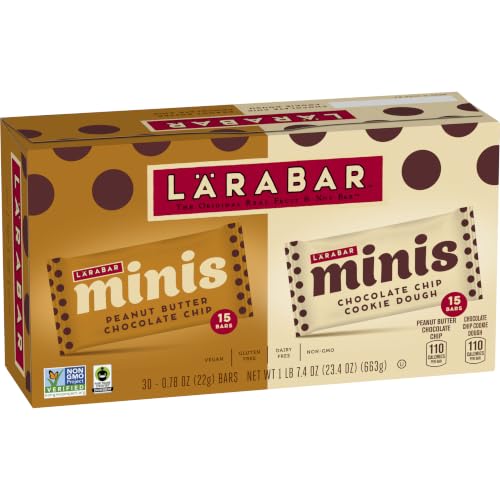
LÄRABAR Variety Pack
Simple, shelf-stable everyday snack

Glutino GF Pretzels
Classic pretzel taste, certified GF
Navigating the Dining Hall
The Golden Rules
Safe Dining Hall Bets (Usually)
Red Flags to Walk Away From
🛒 Not sure if what you're holding is safe?
Point your phone at any ingredient label and get a clear safe / caution / unsafe answer in about three seconds — including the hidden gluten most labels bury.
Surviving Social Eating
The Pizza Problem
Your friends are ordering pizza at 1 AM and you're sitting there with your sadness and a banana. You have options:
The Alcohol Situation
College + alcohol = inevitable conversations about what you can and can't drink.
Safe options:
NOT safe:
Handling the Awkward Conversations
You will hear:
The best strategy is a quick, confident one-liner: "I have an autoimmune disease. If I eat gluten, my immune system attacks my intestines. So no, I can't just pick it off." Say it matter-of-factly, not apologetically. Most people immediately understand when framed as an autoimmune disease rather than a "diet preference."
Meal Prep Strategies for Busy Students
You won't always have time or energy to cook. Prep these on Sunday for the whole week:
Sunday Meal Prep (90 Minutes)
Finals Week Emergency Kit
When you're pulling all-nighters, you need quick, safe fuel:
Getting Glutened on Campus: What to Do
It will happen. Maybe the dining hall mislabeled something. Maybe a roommate used your toaster. Here's the game plan:
The Mental Health Side
Living with celiac in college can feel incredibly isolating. Everyone else gets to eat freely, and you're the one Googling restaurant menus for 30 minutes before agreeing to go out.
FAQs
Q: Should I tell my roommate about my celiac disease?
A: Absolutely. Explain cross-contamination simply: "If wheat crumbs get on my food, I get very sick. Can we keep the shared spaces clean and maybe designate one shelf in the fridge as mine?" Most roommates are totally reasonable about it.
Q: Can I get a medical exemption from the meal plan requirement?
A: Many universities allow this if you have a documented medical condition. Contact disability services with documentation from your GI doctor. You may be able to redirect meal plan dollars toward a grocery stipend.
Q: What if my university's dining services are terrible about accommodations?
A: Escalate. Start with disability services, then the dean of students, then (if necessary) the Title III / ADA compliance office. Universities are legally required to provide safe food access.
You've Got This
College is supposed to be the best four years of your life, and having celiac disease doesn't change that. It just means you need a slightly bigger game plan. Armed with the right tools, a stocked mini-fridge, and a solid meal prep routine, you'll not just survive—you'll dominate.
And when you're in the grocery store or dining hall and aren't sure about a product, just pull out your phone and scan it with Check Gluten. Peace of mind in 3 seconds.
🔍 Not sure about a product?
Photograph any food label and the AI reads every ingredient, including the 500+ names gluten hides under. Free for 14 days.
Search Amazon for gluten-free lifestyle
Amazon search results · Look for a certified gluten-free seal on the label
Gluten-Free lifestyle on Amazon
Simple Mills Almond Flour Crackers
Clean ingredients, great taste
LÄRABAR Variety Pack
Simple, shelf-stable everyday snack
Glutino GF Pretzels
Classic pretzel taste, certified GF
Celiac Safety Glossary
- Celiac disease
- Celiac disease is a serious autoimmune disorder in which ingesting gluten — a protein found in wheat, barley, and rye — triggers an immune response that damages the small intestine's villi, affecting approximately 1 in 100 people worldwide according to the Celiac Disease Foundation.
- Gluten
- Gluten is a family of storage proteins (prolamins and glutelins) found naturally in cereal grains like wheat (including varieties like spelt, kamut, and farro), barley, and rye, which acts as a binder to give food elasticity and shape.
- Cross-contamination
- Cross-contamination (or cross-contact) occurs when gluten-free food comes into contact with gluten-containing food or surfaces — such as shared cutting boards, toasters, fryers, or utensils — rendering otherwise safe food dangerous for people with celiac disease.
- Gluten-free certification
- Gluten-free certification, such as the GFCO (Gluten-Free Certification Organization) seal, verifies that a product contains fewer than 10 parts per million (ppm) of gluten — stricter than the FDA's 20 ppm threshold for "gluten-free" labeling.
- Malt (Barley)
- Malt is fermented barley used as a flavoring or sweetener in cereals, chocolates, and beer; it is a major source of hidden gluten that is often overlooked on ingredient lists.
📢 Found this helpful? Share it!
Stop Guessing. Start Scanning.
Every ingredient label has hidden gluten risks. Check Gluten's AI catches them all — in 3 seconds flat.
Camera + text input
& cross-contamination
$0 today • cancel anytime

The Essential Celiac Cookbook & Survival Bundle
Stop stressing over dinner and crumbling bread. 300+ comfort mains, 200 baking masterclass recipes, 4-week meal plans, and grocery checklists.
About This Article
Check Gluten
Written with AI assistance and checked against published sources — not by a doctor or dietitian. Confirm anything that matters with the label, the manufacturer, or your own healthcare provider.
How our content is checked →Medical Disclaimer: This article is for informational purposes only and is not a substitute for professional medical advice. Always consult your physician or a registered dietitian before making dietary changes related to celiac disease or gluten sensitivity. Read full disclaimer.
📚Sources & Citations
- •Celiac Disease Foundation — celiac.org — Comprehensive research and patient resources on celiac disease
- •Beyond Celiac — beyondceliac.org — Research-driven celiac disease advocacy and resources
- •GFCO (Gluten-Free Certification Organization) — gfco.org — Certification standards (<10 ppm)
- •FDA Gluten-Free Labeling — fda.gov — Federal regulations for <20 ppm labeling
Content reviewed and fact-checked by our clinical & nutrition team. Last updated July 2026.
Never Miss a Hidden Gluten Alert
Weekly tips on safe eating, hidden gluten warnings, and recipes — free, and one click to unsubscribe.
Related Articles
The Celiac College Survival Guide: Dining Halls, Dorm Life & Social Eating
How to navigate dining halls, dorm kitchens, late-night pizza runs, and social eating as a celiac college student. From meal plans to microwave hacks — everything you need.
The Gluten-Free College Guide: Surviving the Dorms, Dining Halls, and Roommates (2026)
Going away to college is stressful. Going away to college with celiac disease requires military-level tactical planning. Here is how to navigate shared dorm kitchens, dining hall cross-contamination, and the inevitable beer spills at parties.
Going Gluten-Free Doesn't Mean Going Boring — Here's Proof
Think GF food is bland and boring? These meals, snacks, and desserts prove that gluten-free eating can be even MORE delicious than the original.
The Ultimate Celiac College Dorm Setup: 10 Amazon Essentials for Students
Heading to college with celiac disease? Discover the 10 essential Amazon products you need to build a safe, cross-contamination-free dorm room.