Gluten-Free Kids' Lunches: 20 Ideas That Survive Until Lunchtime
This post may contain affiliate links. As an Amazon Associate, Check Gluten earns from qualifying purchases. Please read our disclosure policy.
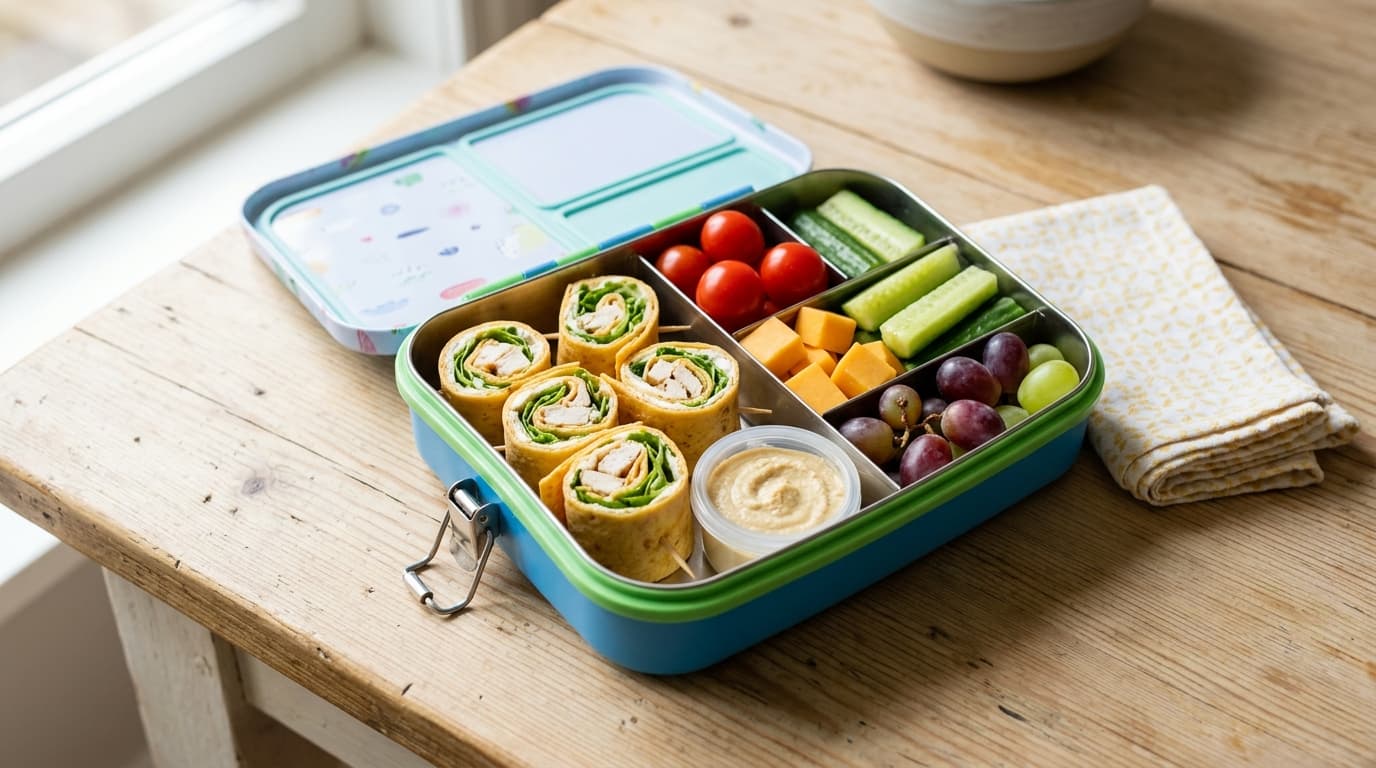
Packing a celiac-safe school lunch that a child will actually eat — and that holds up in a bag for four hours. Plus the classroom risks parents miss.
Packing a celiac-safe school lunch that a child will actually eat — and that holds up in a bag for four hours. Plus the classroom risks parents miss.
Want to save this recipe?
Enter your email and we'll send it to you! Plus, get new recipes every week.
✓Key Takeaways
A gluten-free school lunch has to clear three bars at once: safe, appealing to a child, and still decent after four hours in a bag. Plenty of ideas clear one or two.
This is a practical list, plus the parts of the school day that catch parents out.
What actually travels well
The failure mode for gluten-free lunches is texture. Gluten-free bread dries out faster than wheat bread, so a sandwich made at 7am can be disappointing by noon.
Things that hold up:
Things that generally do not: toasted GF bread, anything crumbed and fried, and salads dressed hours ahead.
Twenty combinations that work
Sandwich-free mains
Warm in a flask
Snack-style lunches
Sweet extras
📩 Want more tips like this?
Join celiacs getting weekly gluten-free tips, recipes, and hidden gluten alerts.
No spam. Unsubscribe anytime.
The oats question, because it comes up constantly
Oats do not contain gluten. The problem is that they are routinely grown and milled alongside wheat, so ordinary oats carry real cross-contamination risk.
For a child with celiac disease, use oats that are specifically certified gluten-free. Standard supermarket porridge oats are not a safe substitute, however healthy they look.
A small number of people with celiac disease also react to avenin, a protein in oats itself. If your child seems to react to certified oats, that is worth raising with their specialist rather than assuming a labelling error.
Search Amazon for gluten-free snack
Amazon search results · Look for a certified gluten-free seal on the label
Gluten-Free snack on Amazon

Simple Mills Almond Flour Crackers
Clean ingredients, great taste

Glutino GF Pretzels
Classic pretzel taste, certified GF
Enjoy Life Snack Bars
Free from top 14 allergens
Cross-contamination at school
The lunchbox is the part you control. The rest of the day needs a plan.
A practical fix many parents use: a sealed box of safe treats kept in the classroom, so there is always an equivalent when something is handed out.
🛒 Not sure if what you're holding is safe?
Point your phone at any ingredient label and get a clear safe / caution / unsafe answer in about three seconds — including the hidden gluten most labels bury.
Talking to the school
Schools respond better to specifics than to general concern. Useful things to put in writing:
Most teachers want to get this right and simply have not been given the information.
Getting your child on side
The lunches that work are the ones a child is not embarrassed by. A few things that help:
The realistic view
You will not get every lunch right, and there will be days when the safest option is also the dullest one. That is fine. The aim is a child who eats enough, stays well, and does not feel singled out — and that is mostly achieved with a handful of reliable combinations on rotation, not a different idea every day.
🔍 Not sure about a product?
Photograph any food label and the AI reads every ingredient, including the 500+ names gluten hides under. Free for 14 days.
Search Amazon for gluten-free snack
Amazon search results · Look for a certified gluten-free seal on the label
Gluten-Free snack on Amazon
Simple Mills Almond Flour Crackers
Clean ingredients, great taste
Glutino GF Pretzels
Classic pretzel taste, certified GF
Enjoy Life Snack Bars
Free from top 14 allergens
Celiac Safety Glossary
- Celiac disease
- Celiac disease is a serious autoimmune disorder in which ingesting gluten — a protein found in wheat, barley, and rye — triggers an immune response that damages the small intestine's villi, affecting approximately 1 in 100 people worldwide according to the Celiac Disease Foundation.
- Gluten
- Gluten is a family of storage proteins (prolamins and glutelins) found naturally in cereal grains like wheat (including varieties like spelt, kamut, and farro), barley, and rye, which acts as a binder to give food elasticity and shape.
- Cross-contamination
- Cross-contamination (or cross-contact) occurs when gluten-free food comes into contact with gluten-containing food or surfaces — such as shared cutting boards, toasters, fryers, or utensils — rendering otherwise safe food dangerous for people with celiac disease.
- Gluten-free certification
- Gluten-free certification, such as the GFCO (Gluten-Free Certification Organization) seal, verifies that a product contains fewer than 10 parts per million (ppm) of gluten — stricter than the FDA's 20 ppm threshold for "gluten-free" labeling.
- Avenin (Oats)
- Avenin is a protein found in oats that is structurally similar to gluten. While most celiacs can tolerate pure, uncontaminated oats, a small percentage of celiacs react to avenin itself.
📢 Found this helpful? Share it!
Stop Guessing. Start Scanning.
Every ingredient label has hidden gluten risks. Check Gluten's AI catches them all — in 3 seconds flat.
Camera + text input
& cross-contamination
$0 today • cancel anytime

The Essential Celiac Cookbook & Survival Bundle
Stop stressing over dinner and crumbling bread. 300+ comfort mains, 200 baking masterclass recipes, 4-week meal plans, and grocery checklists.
About This Article
Check Gluten
Written with AI assistance and checked against published sources — not by a doctor or dietitian. Confirm anything that matters with the label, the manufacturer, or your own healthcare provider.
How our content is checked →Medical Disclaimer: This article is for informational purposes only and is not a substitute for professional medical advice. Always consult your physician or a registered dietitian before making dietary changes related to celiac disease or gluten sensitivity. Read full disclaimer.
📚Sources & Citations
- •Celiac Disease Foundation — celiac.org — Comprehensive research and patient resources on celiac disease
- •Beyond Celiac — beyondceliac.org — Research-driven celiac disease advocacy and resources
- •GFCO (Gluten-Free Certification Organization) — gfco.org — Certification standards (<10 ppm)
- •FDA Gluten-Free Labeling — fda.gov — Federal regulations for <20 ppm labeling
Content reviewed and fact-checked by our clinical & nutrition team. Last updated July 2026.
Never Miss a Hidden Gluten Alert
Weekly tips on safe eating, hidden gluten warnings, and recipes — free, and one click to unsubscribe.
Related Articles
GF Kids Meals: 15 Gluten-Free Lunch & Snack Ideas Your Kids Will Actually Eat
Packing GF school lunches is hard. These 15 kid-approved meals and snacks are easy, safe, and won't come back uneaten. Mom and dad tested, kid approved.
20 Gluten-Free School Lunch Ideas Kids Actually Love
Packing a GF lunch box doesn't have to be boring. 20 kid-approved ideas that are safe, nutritious, and taste great.
The Best Gluten-Free Lunchbox Snacks for Kids Going Back to School
Your celiac child watches their friends eat Goldfish and Oreos every day. Here are the best GF alternatives that taste SO good, their friends will want to trade.
Gluten-Free Kids: The Complete Parent's Guide to Celiac
Your child was just diagnosed with celiac? This guide covers everything: school lunches, birthday parties, explaining to others, and keeping your kid happy.