Gluten-Free Shampoo and Cosmetics: Can You Absorb Gluten?
This post may contain affiliate links. As an Amazon Associate, Check Gluten earns from qualifying purchases. Please read our disclosure policy.
Does your shampoo need to be gluten-free? Can you absorb wheat proteins through your skin? We break down the science behind celiac disease and cosmetics.
Does your shampoo need to be gluten-free? Can you absorb wheat proteins through your skin? We break down the science behind celiac disease and cosmetics.
Want to save this recipe?
Enter your email and we'll send it to you! Plus, get new recipes every week.
✓Key Takeaways
Once you realize how pervasive gluten is in the food supply, you start looking at everything with suspicion.
You read the back of your shampoo bottle and see *Hydrolyzed Wheat Protein*. Panic sets in. Have you been poisoning yourself in the shower every morning?
The short answer is: No, you cannot absorb gluten through your skin. But that doesn't mean you are completely safe. Here is the complex medical truth about celiac disease, cosmetics, and hygiene products.
The Science: The Skin Barrier
Celiac disease is an autoimmune condition triggered when gluten touches the small intestine.
* The Size of the Protein: The gluten protein is a massive, complex molecule. It is physically too large to pass through the epidermis (your skin barrier) and enter your bloodstream.
* The Reaction: If you rub lotion containing wheat extract on your arm, it will not trigger the systemic autoimmune attack that destroys your villi.
*(Note: Some celiacs also suffer from a separate, topical wheat allergy or a skin condition called Dermatitis Herpetiformis, which may cause a rash upon contact, but this is distinct from the intestinal autoimmune reaction).*
🛒 Not sure if what you're holding is safe?
Point your phone at any ingredient label and get a clear safe / caution / unsafe answer in about three seconds — including the hidden gluten most labels bury.
The Real Danger: Ingestion
If you cannot absorb gluten through your skin, why do celiac dietitians still recommend using gluten-free cosmetics?
Because of accidental ingestion.
You must ensure that any product that goes *near your mouth* or *on your hands* is 100% gluten-free.
1. Lipstick and Lip Balm ❌
This is the most critical cosmetic. You constantly lick your lips throughout the day. You ingest the lipstick when you eat or drink.
If your lip balm or lipstick contains *Triticum vulgare* (wheat germ oil) or barley extract, you are directly ingesting gluten. All lip products must be strictly gluten-free.
2. Hand Lotion ❌
You apply lotion to your hands. Ten minutes later, you eat a sandwich or a piece of fruit using your bare hands. The wheat proteins from the lotion transfer to your food, and you swallow them. Hand lotion must be gluten-free.
3. Shampoo and Conditioner ⚠️
When you wash your hair, the shampoo runs down your face. It is very easy to accidentally get suds in your mouth or swallow water while rinsing.
If your shampoo is loaded with *Hydrolyzed Wheat Protein* (a very common ingredient used to strengthen hair), you risk accidental ingestion. For maximum safety, many celiacs switch to GF hair care.
📩 Want more tips like this?
Join celiacs getting weekly gluten-free tips, recipes, and hidden gluten alerts.
No spam. Unsubscribe anytime.
How to Read Cosmetic Labels
Cosmetic labeling laws are completely different from food labeling laws. They do not have to use plain English (like "Wheat"). They use scientific names.
Watch out for these ingredients on your shampoo and lotion bottles:
* Triticum vulgare (Wheat bran/germ)
* Hordeum vulgare (Barley)
* Secale cereale (Rye)
* Avena sativa (Oats - unless certified GF)
* Hydrolyzed Wheat Protein
Search Amazon for gluten-free health
Amazon search results · Look for a certified gluten-free seal on the label
Gluten-Free health on Amazon

RX Bars Variety Pack
Whole-food protein, no junk
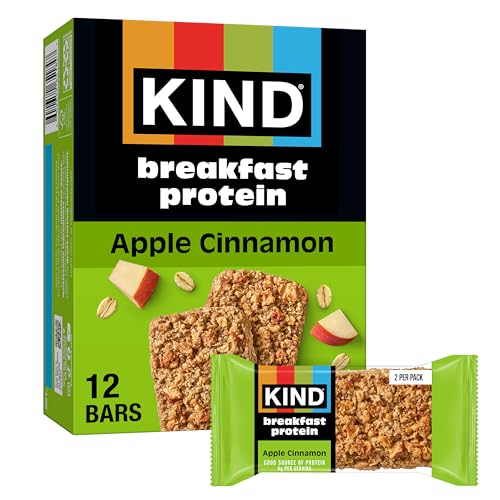
KIND Protein Bars
12g protein, certified GF
Enjoy Life Snack Bars
Free from top 14 allergens
Safe Cosmetic Brands
The cosmetic industry is adapting rapidly. Several major brands now formulate without gluten ingredients:
* Haircare: Herbal Essences, Pantene, and Native offer many GF options.
* Makeup: Bite Beauty (100% GF), E.l.f. Cosmetics, and Tarte are widely considered safe for celiacs.
Summary: You cannot absorb gluten through your skin, but you *can* swallow your lip balm. Audit your bathroom cabinet, replace your hand lotion and lipstick, and never let *Triticum vulgare* near your mouth!
🔍 Not sure about a product?
Photograph any food label and the AI reads every ingredient, including the 500+ names gluten hides under. Free for 14 days.
Search Amazon for gluten-free health
Amazon search results · Look for a certified gluten-free seal on the label
Gluten-Free health on Amazon
RX Bars Variety Pack
Whole-food protein, no junk
KIND Protein Bars
12g protein, certified GF
Enjoy Life Snack Bars
Free from top 14 allergens
Celiac Safety Glossary
- Celiac disease
- Celiac disease is a serious autoimmune disorder in which ingesting gluten — a protein found in wheat, barley, and rye — triggers an immune response that damages the small intestine's villi, affecting approximately 1 in 100 people worldwide according to the Celiac Disease Foundation.
- Gluten
- Gluten is a family of storage proteins (prolamins and glutelins) found naturally in cereal grains like wheat (including varieties like spelt, kamut, and farro), barley, and rye, which acts as a binder to give food elasticity and shape.
- Gluten-free certification
- Gluten-free certification, such as the GFCO (Gluten-Free Certification Organization) seal, verifies that a product contains fewer than 10 parts per million (ppm) of gluten — stricter than the FDA's 20 ppm threshold for "gluten-free" labeling.
- Avenin (Oats)
- Avenin is a protein found in oats that is structurally similar to gluten. While most celiacs can tolerate pure, uncontaminated oats, a small percentage of celiacs react to avenin itself.
- Malt (Barley)
- Malt is fermented barley used as a flavoring or sweetener in cereals, chocolates, and beer; it is a major source of hidden gluten that is often overlooked on ingredient lists.
📢 Found this helpful? Share it!
Stop Guessing. Start Scanning.
Every ingredient label has hidden gluten risks. Check Gluten's AI catches them all — in 3 seconds flat.
Camera + text input
& cross-contamination
$0 today • cancel anytime

The Essential Celiac Cookbook & Survival Bundle
Stop stressing over dinner and crumbling bread. 300+ comfort mains, 200 baking masterclass recipes, 4-week meal plans, and grocery checklists.
About This Article
Check Gluten
Written with AI assistance and checked against published sources — not by a doctor or dietitian. Confirm anything that matters with the label, the manufacturer, or your own healthcare provider.
How our content is checked →Medical Disclaimer: This article is for informational purposes only and is not a substitute for professional medical advice. Always consult your physician or a registered dietitian before making dietary changes related to celiac disease or gluten sensitivity. Read full disclaimer.
📚Sources & Citations
- •Celiac Disease Foundation — celiac.org — Comprehensive research and patient resources on celiac disease
- •Beyond Celiac — beyondceliac.org — Research-driven celiac disease advocacy and resources
- •GFCO (Gluten-Free Certification Organization) — gfco.org — Certification standards (<10 ppm)
- •FDA Gluten-Free Labeling — fda.gov — Federal regulations for <20 ppm labeling
Content reviewed and fact-checked by our clinical & nutrition team. Last updated July 2026.
Never Miss a Hidden Gluten Alert
Weekly tips on safe eating, hidden gluten warnings, and recipes — free, and one click to unsubscribe.
Related Articles
Hidden Gluten in Makeup, Skincare, & Shampoo: What You Need to Know (2026)
You aren't eating your shampoo, so does it need to be gluten-free? The answer depends on your symptoms. Here is the definitive guide to gluten in cosmetics, lipsticks, and skincare, plus the hidden ingredient names you need to watch out for.
Gluten in Makeup & Skincare: Do Celiacs Need Gluten-Free Cosmetics?
Does your lipstick need to be gluten-free? What about your shampoo? The science on absorbing gluten through the skin is clear, but the risks of accidental ingestion are real.
Is Toothpaste Gluten-Free? The Celiac Oral Care Guide
You brush your teeth twice a day, but could your toothpaste be hiding gluten? Learn why celiacs must be hyper-vigilant about oral care products.
The Best Celiac-Safe Travel Makeup & Skincare: 10 Amazon Must-Haves
Did you know your lip balm could contain gluten? Discover the 10 best certified gluten-free travel makeup, skincare, and toiletry items on Amazon.