How to Gain Weight and Build Muscle with Celiac Disease
This post may contain affiliate links. As an Amazon Associate, Check Gluten earns from qualifying purchases. Please read our disclosure policy.
Losing too much weight after a celiac diagnosis? Struggling to put on muscle on a gluten-free diet? Here is the ultimate guide to healthy weight gain for celiacs.
Losing too much weight after a celiac diagnosis? Struggling to put on muscle on a gluten-free diet? Here is the ultimate guide to healthy weight gain for celiacs.
Want to save this recipe?
Enter your email and we'll send it to you! Plus, get new recipes every week.
✓Key Takeaways
When most people think of a diet, they think of losing weight. But for many newly diagnosed celiacs, the opposite is true.
Before diagnosis, years of undiagnosed intestinal damage often lead to severe malabsorption and rapid, terrifying weight loss. And even after going gluten-free, cutting out calorie-dense foods like bread, pasta, and baked goods can make it incredibly difficult to put weight back on or build muscle.
If you are struggling to gain weight, or you're a celiac athlete trying to bulk up, here is the science-backed guide to healthy, gluten-free weight gain.
1. Heal the Gut First
You cannot build muscle or gain weight if your body cannot absorb nutrients.
If you are eating 3,000 calories a day and still losing weight, you are either getting cross-contaminated or your intestines haven't healed yet. Healing can take anywhere from 3 to 12 months on a strict gluten-free diet.
2. Embrace Healthy, GF Fats
Fats are the most calorie-dense macronutrient (9 calories per gram compared to 4 calories for carbs/protein). To gain weight safely, you need to sneak healthy fats into every meal.
📩 Want more tips like this?
Join celiacs getting weekly gluten-free tips, recipes, and hidden gluten alerts.
No spam. Unsubscribe anytime.
3. High-Density GF Carbohydrates
You don't need wheat to get carbs. You just need to focus on complex, gluten-free carbohydrates that provide sustained energy for workouts and weight gain.
Search Amazon for gluten-free health
Amazon search results · Look for a certified gluten-free seal on the label
Gluten-Free health on Amazon

RX Bars Variety Pack
Whole-food protein, no junk
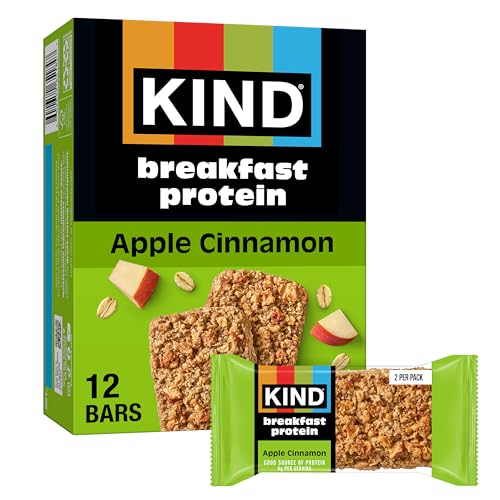
KIND Protein Bars
12g protein, certified GF
Enjoy Life Snack Bars
Free from top 14 allergens
4. The "Liquid Calorie" Cheat Code
When you feel too full to eat another meal, drink your calories. A 600-calorie smoothie goes down much easier than a 600-calorie plate of chicken and rice.
The Celiac Bulking Shake:
*Blend and drink. That is an easy 500-700 calories.*
🛒 Not sure if what you're holding is safe?
Point your phone at any ingredient label and get a clear safe / caution / unsafe answer in about three seconds — including the hidden gluten most labels bury.
5. Strength Training is Mandatory
If you eat a caloric surplus without lifting weights, your body will store the extra weight as fat. If you want to build a healthy, strong physique, you must resistance train.
Focus on compound movements:
Lifting heavy weights signals to your body that the excess calories should be used to synthesize new muscle tissue.
6. Supplements for Celiacs
Gaining weight with celiac disease requires intention. You can no longer rely on cheap fast food to bulk up. But by focusing on dense, whole foods and staying militant about avoiding cross-contamination, you can build a stronger, healthier body than you ever had before your diagnosis.
🔍 Not sure about a product?
Photograph any food label and the AI reads every ingredient, including the 500+ names gluten hides under. Free for 14 days.
Search Amazon for gluten-free health
Amazon search results · Look for a certified gluten-free seal on the label
Gluten-Free health on Amazon
RX Bars Variety Pack
Whole-food protein, no junk
KIND Protein Bars
12g protein, certified GF
Enjoy Life Snack Bars
Free from top 14 allergens
Celiac Safety Glossary
- Celiac disease
- Celiac disease is a serious autoimmune disorder in which ingesting gluten — a protein found in wheat, barley, and rye — triggers an immune response that damages the small intestine's villi, affecting approximately 1 in 100 people worldwide according to the Celiac Disease Foundation.
- Gluten
- Gluten is a family of storage proteins (prolamins and glutelins) found naturally in cereal grains like wheat (including varieties like spelt, kamut, and farro), barley, and rye, which acts as a binder to give food elasticity and shape.
- Cross-contamination
- Cross-contamination (or cross-contact) occurs when gluten-free food comes into contact with gluten-containing food or surfaces — such as shared cutting boards, toasters, fryers, or utensils — rendering otherwise safe food dangerous for people with celiac disease.
- Gluten-free certification
- Gluten-free certification, such as the GFCO (Gluten-Free Certification Organization) seal, verifies that a product contains fewer than 10 parts per million (ppm) of gluten — stricter than the FDA's 20 ppm threshold for "gluten-free" labeling.
- Avenin (Oats)
- Avenin is a protein found in oats that is structurally similar to gluten. While most celiacs can tolerate pure, uncontaminated oats, a small percentage of celiacs react to avenin itself.
📢 Found this helpful? Share it!
Stop Guessing. Start Scanning.
Every ingredient label has hidden gluten risks. Check Gluten's AI catches them all — in 3 seconds flat.
Camera + text input
& cross-contamination
$0 today • cancel anytime

The Essential Celiac Cookbook & Survival Bundle
Stop stressing over dinner and crumbling bread. 300+ comfort mains, 200 baking masterclass recipes, 4-week meal plans, and grocery checklists.
About This Article
Check Gluten
Written with AI assistance and checked against published sources — not by a doctor or dietitian. Confirm anything that matters with the label, the manufacturer, or your own healthcare provider.
How our content is checked →Medical Disclaimer: This article is for informational purposes only and is not a substitute for professional medical advice. Always consult your physician or a registered dietitian before making dietary changes related to celiac disease or gluten sensitivity. Read full disclaimer.
📚Sources & Citations
- •Celiac Disease Foundation — celiac.org — Comprehensive research and patient resources on celiac disease
- •Beyond Celiac — beyondceliac.org — Research-driven celiac disease advocacy and resources
- •GFCO (Gluten-Free Certification Organization) — gfco.org — Certification standards (<10 ppm)
- •FDA Gluten-Free Labeling — fda.gov — Federal regulations for <20 ppm labeling
Content reviewed and fact-checked by our clinical & nutrition team. Last updated July 2026.
Never Miss a Hidden Gluten Alert
Weekly tips on safe eating, hidden gluten warnings, and recipes — free, and one click to unsubscribe.
Related Articles
Celiac Disease and Hair Loss: Why Gluten Is Making Your Hair Fall Out
Experiencing unexpected hair thinning? Discover the connection between undiagnosed celiac disease, nutrient malabsorption, and hair loss, plus the timeline for regrowth on a gluten-free diet.
Celiac Disease and Osteoporosis: The Silent Bone Loss Crisis
Undiagnosed celiac disease silently steals calcium from your bones for years, leading to early-onset osteoporosis and devastating fractures. Here is how to protect your skeleton.
Celiac Disease & Dental Enamel Defects: Why Your Teeth Are Chipping
Are your teeth constantly chipping? Do they look yellow or translucent? Dental enamel defects are a major, often overlooked symptom of celiac disease.
Celiac Disease and Weight Gain: Why You're Gaining Weight on a Gluten-Free Diet
Gaining unexpected weight after starting a gluten-free diet? Discover why healing gut villi absorb more calories, the trap of processed GF foods, and how to maintain a healthy weight.