Is Caramel Color Gluten-Free? How to Read Soda Labels
This post may contain affiliate links. As an Amazon Associate, Check Gluten earns from qualifying purchases. Please read our disclosure policy.
It is found in almost every dark soda, candy, and syrup on the market. But for celiacs, the words "caramel color" often trigger immediate panic.
It is found in almost every dark soda, candy, and syrup on the market. But for celiacs, the words "caramel color" often trigger immediate panic.
Want to save this recipe?
Enter your email and we'll send it to you! Plus, get new recipes every week.
✓Key Takeaways
Reading ingredient labels as a celiac often feels like a chemistry exam you didn't study for.
You pick up a bottle of dark soda or a chocolate syrup, scan past the sugar and water, and your eyes lock onto one specific, scary ingredient: Caramel Color.
Because caramel color is a highly processed additive, and because rumors have circulated online for years that it contains hidden wheat, many newly diagnosed celiacs avoid it entirely.
But do you really have to give up your favorite cola? Is caramel color actually dangerous?
Here is the definitive breakdown of what caramel color is, whether it contains gluten, and the US vs. European rules you need to know.
What is Caramel Color?
Despite the name, caramel color has nothing to do with the chewy, sweet caramel candies you eat at Halloween.
It is a food coloring. In fact, it is the most widely consumed food coloring in the world. It is created by heating carbohydrates (sugars) to very high temperatures until they break down and turn into a dark, brown liquid.
It is used to give Coca-Cola its dark brown color, to make cheap soy sauce look authentic, and to darken baked goods and dog food.
The Gluten Rumor: Is it Safe?
Yes. In North America, caramel color is almost always gluten-free and safe for celiacs.
The fear surrounding caramel color comes from how it is manufactured. Because it is made by heating carbohydrates, the manufacturer must start with a base carbohydrate.
* In the United States and Canada: Caramel color is almost exclusively derived from corn (because corn syrup is incredibly cheap and abundant). Corn is naturally gluten-free.
* The Rare Exception: Technically, under FDA rules, caramel color *could* be derived from wheat or barley malt. However, if a manufacturer in the US uses a wheat-derived caramel color, the FDA's allergen labeling laws dictate that they must explicitly declare the word "Wheat" on the label.
Therefore, if you look at a label in the US and see "Caramel Color" but you do NOT see a "Contains: Wheat" warning, the caramel color is derived from corn (or cane sugar) and is 100% safe.
📩 Want more tips like this?
Join celiacs getting weekly gluten-free tips, recipes, and hidden gluten alerts.
No spam. Unsubscribe anytime.
The European Danger Zone ⚠️
If you are traveling outside of North America, the rules change drastically.
In Europe, the UK, and parts of Australia, caramel color is frequently derived from wheat or barley.
While the extreme heating process used to make caramel color destroys almost all of the gluten protein, highly sensitive celiacs can still react to European caramel coloring.
If you are traveling abroad, you must be much more cautious with dark sodas, cheap balsamic vinegars, and brown sauces. When in doubt, scan the barcode with the Check Gluten App to instantly verify if the specific product formulation in that country is safe.
Search Amazon for gluten-free health
Amazon search results · Look for a certified gluten-free seal on the label
Gluten-Free health on Amazon

RX Bars Variety Pack
Whole-food protein, no junk
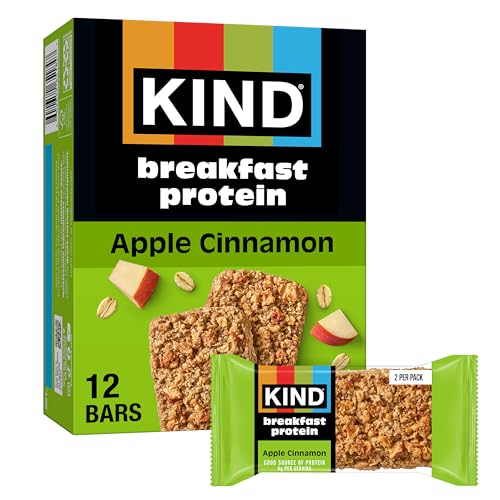
KIND Protein Bars
12g protein, certified GF
Enjoy Life Snack Bars
Free from top 14 allergens
What About Caramel Flavoring?
Do not confuse Caramel *Color* with Caramel *Flavoring*.
Caramel flavoring (like the syrup you pump into your coffee) is usually made from sugar, water, and vanilla. It is generally safe. However, some cheap caramel candies or thick syrups use barley malt extract as a sweetener or thickener.
For example, traditional Lindt Lindor truffles (which have a caramel-like center) contain barley malt and are NOT gluten-free.
Always look for a certified gluten-free label on candies and syrups, like 🛒Torani Caramel SyrupAmazon ↗, which clearly marks its products as safe.
🛒 Not sure if what you're holding is safe?
Point your phone at any ingredient label and get a clear safe / caution / unsafe answer in about three seconds — including the hidden gluten most labels bury.
The Verdict
If you live in the United States or Canada, you do not need to fear the words "Caramel Color" on a soda or candy label. It is derived from corn and is completely safe for people with celiac disease. Drink your cola in peace!
🔍 Not sure about a product?
Photograph any food label and the AI reads every ingredient, including the 500+ names gluten hides under. Free for 14 days.
Search Amazon for gluten-free health
Amazon search results · Look for a certified gluten-free seal on the label
Gluten-Free health on Amazon
RX Bars Variety Pack
Whole-food protein, no junk
KIND Protein Bars
12g protein, certified GF
Enjoy Life Snack Bars
Free from top 14 allergens
Celiac Safety Glossary
- Celiac disease
- Celiac disease is a serious autoimmune disorder in which ingesting gluten — a protein found in wheat, barley, and rye — triggers an immune response that damages the small intestine's villi, affecting approximately 1 in 100 people worldwide according to the Celiac Disease Foundation.
- Gluten
- Gluten is a family of storage proteins (prolamins and glutelins) found naturally in cereal grains like wheat (including varieties like spelt, kamut, and farro), barley, and rye, which acts as a binder to give food elasticity and shape.
- Gluten-free certification
- Gluten-free certification, such as the GFCO (Gluten-Free Certification Organization) seal, verifies that a product contains fewer than 10 parts per million (ppm) of gluten — stricter than the FDA's 20 ppm threshold for "gluten-free" labeling.
- Malt (Barley)
- Malt is fermented barley used as a flavoring or sweetener in cereals, chocolates, and beer; it is a major source of hidden gluten that is often overlooked on ingredient lists.
📢 Found this helpful? Share it!
Stop Guessing. Start Scanning.
Every ingredient label has hidden gluten risks. Check Gluten's AI catches them all — in 3 seconds flat.
Camera + text input
& cross-contamination
$0 today • cancel anytime

The Essential Celiac Cookbook & Survival Bundle
Stop stressing over dinner and crumbling bread. 300+ comfort mains, 200 baking masterclass recipes, 4-week meal plans, and grocery checklists.
About This Article
Check Gluten
Written with AI assistance and checked against published sources — not by a doctor or dietitian. Confirm anything that matters with the label, the manufacturer, or your own healthcare provider.
How our content is checked →Medical Disclaimer: This article is for informational purposes only and is not a substitute for professional medical advice. Always consult your physician or a registered dietitian before making dietary changes related to celiac disease or gluten sensitivity. Read full disclaimer.
📚Sources & Citations
- •Celiac Disease Foundation — celiac.org — Comprehensive research and patient resources on celiac disease
- •Beyond Celiac — beyondceliac.org — Research-driven celiac disease advocacy and resources
- •GFCO (Gluten-Free Certification Organization) — gfco.org — Certification standards (<10 ppm)
- •FDA Gluten-Free Labeling — fda.gov — Federal regulations for <20 ppm labeling
Content reviewed and fact-checked by our clinical & nutrition team. Last updated July 2026.
Never Miss a Hidden Gluten Alert
Weekly tips on safe eating, hidden gluten warnings, and recipes — free, and one click to unsubscribe.
Related Articles
Is Maltodextrin Gluten-Free? The Ultimate Celiac Guide
It is used to thicken salad dressings, sweeten artificial sweeteners, and preserve sports drinks. But is maltodextrin safe for someone with celiac disease?
Is Soy Lecithin Gluten-Free? How to Read Emulsifiers
It sounds like a harsh chemical, and it appears on the back of almost every processed food label. But is soy lecithin safe for someone with celiac disease?
Is Vanilla Extract Gluten-Free? Pure vs Imitation
Baking a GF cake? Don't let your vanilla extract ruin it. Discover the difference between pure and imitation vanilla, and why the alcohol used matters for celiacs.
Is Yeast Gluten-Free? Baker's vs Brewer's vs Nutritional Yeast
Not all yeast is created equal. While baker's yeast is safe for your GF bread, Brewer's yeast is packed with gluten. Here is the ultimate celiac guide to yeast.