Is Ice Cream Gluten-Free? The Cookie Dough & Shared Scoop Danger
This post may contain affiliate links. As an Amazon Associate, Check Gluten earns from qualifying purchases. Please read our disclosure policy.
Vanilla ice cream is gluten-free, but visiting an ice cream parlor is a massive cross-contamination risk for celiacs. Here is how to order safely without getting glutened.
Vanilla ice cream is gluten-free, but visiting an ice cream parlor is a massive cross-contamination risk for celiacs. Here is how to order safely without getting glutened.
Want to save this recipe?
Enter your email and we'll send it to you! Plus, get new recipes every week.
✓Key Takeaways
Ice cream is basically milk, cream, and sugar. It should be the ultimate safe, naturally gluten-free dessert.
If you buy a pint of plain vanilla ice cream at the grocery store, you are perfectly safe. But if you walk into a local ice cream parlor on a hot summer night, you are walking into a massive cross-contamination minefield.
Here is the definitive guide to eating ice cream safely with celiac disease.
The Unsafe Flavors (Obviously Gluten) ❌
Before we talk about the parlor, you must know which flavors inherently contain wheat. Never order these:
* Cookie Dough: The dough chunks are made of raw wheat flour.
* Cookies & Cream (Oreo): The cookies are pure wheat.
* Brownie Batter / Cheesecake: Contains chunks of wheat brownies or graham cracker pie crusts.
The Sneaky Flavors (Hidden Gluten) ⚠️
Some flavors sound safe but use gluten-containing thickeners or flavorings:
* Caramel: Most caramel is safe, but cheap commercial caramel swirls sometimes use barley malt syrup as a sweetener.
* Rocky Road: The marshmallows and nuts are safe, but some brands use a chocolate base thickened with wheat starch.
* "Cheesecake" Flavor (No chunks): Even if there are no visible graham cracker chunks, the base flavoring might contain gluten.
📩 Want more tips like this?
Join celiacs getting weekly gluten-free tips, recipes, and hidden gluten alerts.
No spam. Unsubscribe anytime.
The Ice Cream Parlor Danger: The Shared Scoop
This is how 90% of celiacs get glutened at an ice cream shop.
You order plain vanilla. The teenager behind the counter grabs the ice cream scoop.
That exact scoop was just used to serve Cookie Dough ice cream to the customer in front of you.
Even if they dip the scoop in that little well of cloudy water on the counter, it is not clean. That water is literally a soup of floating wheat cookie crumbs. When they plunge that scoop into the vanilla tub, they contaminate the entire tub and your cone.
Shop gluten-free cookie on Amazon
Certified options with current prices — skip the label-squinting
Gluten-free cookie worth trying
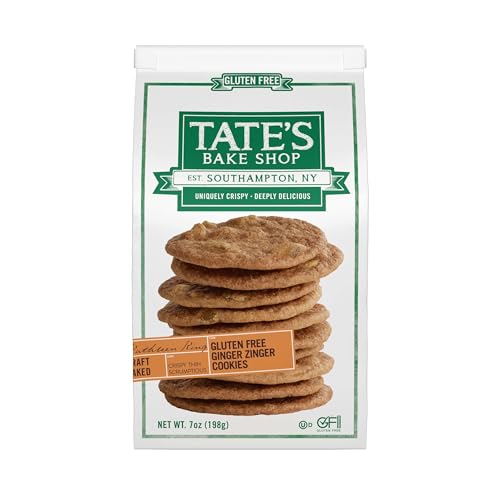
Tate's Bake Shop GF Cookies
Thin & crispy, amazing flavor

Simple Mills Crunchy Cookies
Clean almond flour cookies

Goodie Girl GF Cookies
Fudge striped & mint slims
As an Amazon Associate, we earn from qualifying purchases at no extra cost to you. Prices and availability are captured periodically and may change — the price shown on Amazon at checkout applies.
The "Fresh Tub" Protocol (How to Order Safely)
If you want to eat at an ice cream parlor, you must advocate for yourself aggressively. Follow this exact protocol:
*If they cannot open a new tub, look at the tubs in the display case. If the vanilla tub is sitting right next to the Cookies & Cream tub, and there are visible cookie crumbs scattered across the vanilla surface, walk away.*
🍽️ Eating out and unsure what to ask?
Scan a menu item or label and get the exact questions to ask your server about sourcing and shared equipment — no awkward guesswork.
Soft Serve Ice Cream ✅
Soft serve is generally much safer than scooped ice cream because there is no shared scoop. The ice cream comes directly from the machine into your cup.
* The Risk: Ensure the worker doesn't add a cone or a wafer to the cup out of habit. Also, verify that the soft serve mix itself is GF (cheap mixes occasionally use stabilizers containing gluten).
Summary: The safest ice cream is a pint of Häagen-Dazs or Breyers Vanilla from the grocery store. If you must go to a parlor, demand a clean scoop and a fresh tub. Use the Check Gluten web app to scan store-bought pints for hidden barley malt!
🔍 Not sure about a product?
Check any food label instantly with our free AI gluten scanner — detects 500+ hidden gluten sources in 3 seconds.
Shop gluten-free cookie on Amazon
Certified options with current prices — skip the label-squinting
Gluten-free cookie worth trying
Tate's Bake Shop GF Cookies
Thin & crispy, amazing flavor
Simple Mills Crunchy Cookies
Clean almond flour cookies
Goodie Girl GF Cookies
Fudge striped & mint slims
As an Amazon Associate, we earn from qualifying purchases at no extra cost to you. Prices and availability are captured periodically and may change — the price shown on Amazon at checkout applies.
Celiac Safety Glossary
- Celiac disease
- Celiac disease is a serious autoimmune disorder in which ingesting gluten — a protein found in wheat, barley, and rye — triggers an immune response that damages the small intestine's villi, affecting approximately 1 in 100 people worldwide according to the Celiac Disease Foundation.
- Gluten
- Gluten is a family of storage proteins (prolamins and glutelins) found naturally in cereal grains like wheat (including varieties like spelt, kamut, and farro), barley, and rye, which acts as a binder to give food elasticity and shape.
- Cross-contamination
- Cross-contamination (or cross-contact) occurs when gluten-free food comes into contact with gluten-containing food or surfaces — such as shared cutting boards, toasters, fryers, or utensils — rendering otherwise safe food dangerous for people with celiac disease.
- Malt (Barley)
- Malt is fermented barley used as a flavoring or sweetener in cereals, chocolates, and beer; it is a major source of hidden gluten that is often overlooked on ingredient lists.
- Wheat starch
- Wheat starch is wheat flour that has had the gluten protein washed out. While some European gluten-free foods use codex-grade wheat starch (tested below 20 ppm), it can still trigger reactions in sensitive individuals.
📢 Found this helpful? Share it!
Stop Guessing. Start Scanning.
Every ingredient label has hidden gluten risks. Check Gluten's AI catches them all — in 3 seconds flat.
Camera + text input
& cross-contamination
$0 today • cancel anytime
The Ultimate Celiac Survival Bundle
Stop stressing over cross-contamination and what to make for dinner. Get our complete 500+ recipe cookbook, dining out guide, and label reading cheat sheets.
200+ GF Baking Recipes
& Fast Food Protocols
Instant PDF Download • 60-Day Money Back Guarantee
About the Author
Sarah Mitchell
Lead Content Writer & Nutritionist, B.S. Nutrition Science
Sarah was diagnosed with celiac disease in 2018 and writes evidence-based guides combining clinical nutrition knowledge with 6+ years of personal gluten-free living experience. All health content is medically reviewed by our advisory team.
Meet our full team →Medical Disclaimer: This article is for informational purposes only and is not a substitute for professional medical advice. Always consult your physician or a registered dietitian before making dietary changes related to celiac disease or gluten sensitivity. Read full disclaimer.
📚Sources & Citations
- •Celiac Disease Foundation — celiac.org — Comprehensive research and patient resources on celiac disease
- •Beyond Celiac — beyondceliac.org — Research-driven celiac disease advocacy and resources
- •GFCO (Gluten-Free Certification Organization) — gfco.org — Certification standards (<10 ppm)
- •FDA Gluten-Free Labeling — fda.gov — Federal regulations for <20 ppm labeling
- •Check Gluten Community — 41,000+ celiacs — First-party data from community feedback and AI label scans
Content reviewed and fact-checked by our clinical & nutrition team. Last updated July 2026.
Never Miss a Hidden Gluten Alert
Join 4,200+ celiacs getting weekly tips on safe eating, hidden gluten warnings, and exclusive recipes.
Related Articles
Are Kraft Singles Gluten-Free? The Processed Cheese Cross-Contamination Guide
Kraft Singles are labeled gluten-free, but processed cheese can be tricky. Discover which cheese types hide wheat, the modified food starch question, and the safest cheese brands for celiacs.
Is Yogurt Gluten-Free? The Hidden Granola and Cookie Crumble Danger
Plain yogurt is naturally gluten-free, but mix-ins like granola, cookie crumbles, and brownie bits hide wheat. Discover safe brands, yogurt shop risks, and how to avoid the parfait trap.
Are Lay's Potato Chips Gluten-Free? The Shared Line Flavor Trap
Lay's Classic are just potatoes, oil, and salt — but flavored varieties hide wheat in seasonings. Discover which Lay's flavors are safe, cross-contamination risks, and certified alternatives.
Are Cheerios Gluten-Free? The Oat Sorting Controversy Explained
Cheerios display a prominent 'Gluten Free' label on the box, but are they safe for celiacs? Discover the mechanical oat sorting controversy, warnings from celiac organizations, and truly safe cereals.