Is Maltodextrin Gluten-Free? The Ultimate Celiac Guide
This post may contain affiliate links. As an Amazon Associate, Check Gluten earns from qualifying purchases. Please read our disclosure policy.
It is used to thicken salad dressings, sweeten artificial sweeteners, and preserve sports drinks. But is maltodextrin safe for someone with celiac disease?
It is used to thicken salad dressings, sweeten artificial sweeteners, and preserve sports drinks. But is maltodextrin safe for someone with celiac disease?
Want to save this recipe?
Enter your email and we'll send it to you! Plus, get new recipes every week.
✓Key Takeaways
When you are diagnosed with celiac disease, your relationship with food labels changes permanently. You stop looking at the calories and start scanning for unpronounceable chemical names.
One of the most frequent ingredients you will encounter is Maltodextrin.
It appears on the back of salad dressings, Splenda packets, potato chips, and protein powders. Because it has the word "malt" in it, and because malt usually means barley (which contains gluten), many newly diagnosed celiacs panic when they see it.
So, is maltodextrin gluten-free?
Yes. In North America, maltodextrin is almost always gluten-free and completely safe for individuals with celiac disease.
Here is exactly what this ingredient is, why it is usually safe, and the rare European exception you need to be aware of.
What is Maltodextrin?
Maltodextrin is a highly processed white powder that acts as a thickener, filler, or preservative. It is essentially an artificial sugar, but it isn't very sweet.
Because it absorbs moisture so well, food manufacturers use it to:
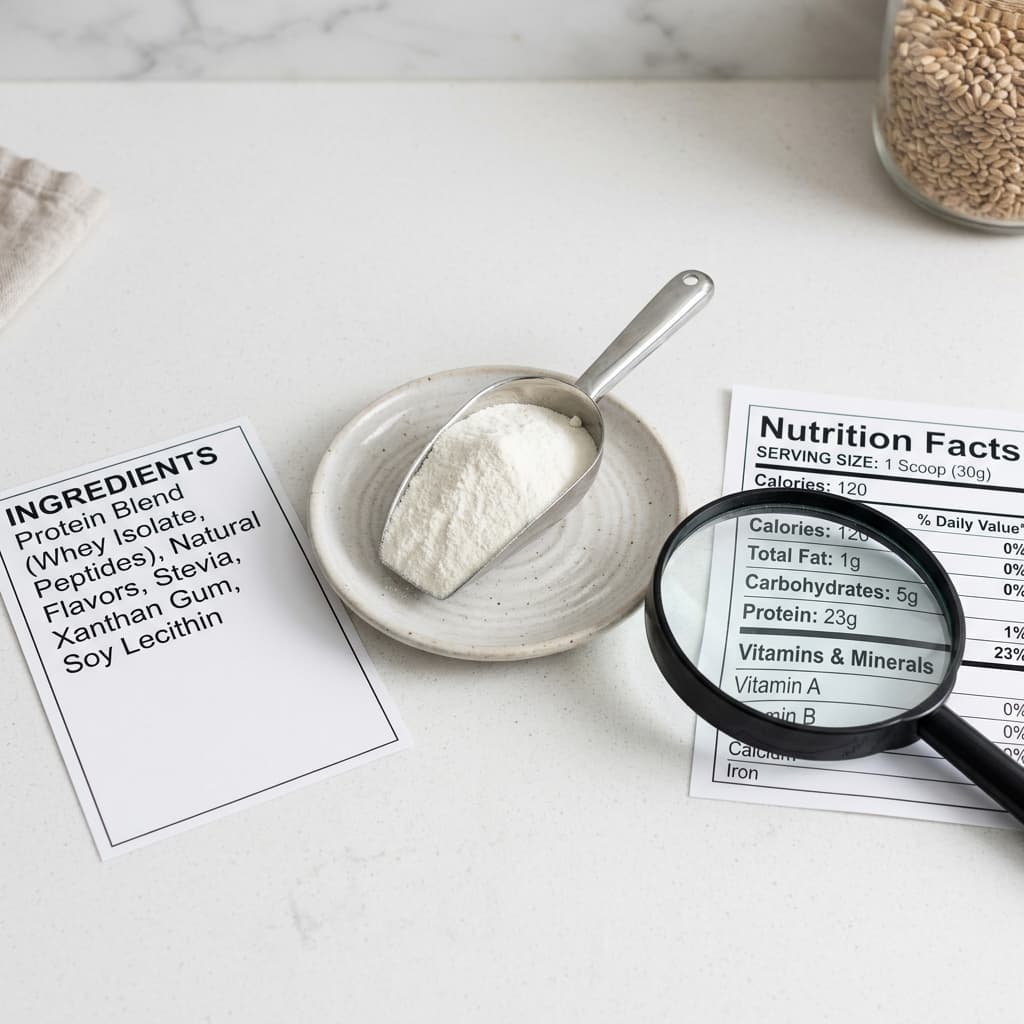
* Keep powdered items (like crystal light or protein powder) from clumping.
* Thicken liquid items (like low-fat salad dressings).
* Add bulk to artificial sweeteners (like Splenda or Stevia) so they pour like real sugar.
Why the Word "Malt" is Misleading
In the celiac community, we are trained to run away from the word "malt."
Malt flavoring, malt extract, and malt vinegar are all derived from barley, which is highly toxic to a celiac.
However, the "malt" in maltodextrin simply refers to the *process* of breaking down starches into sugars. It does not mean it comes from barley malt.
To create maltodextrin, a manufacturer must start with a base starch.
* In the United States and Canada: Maltodextrin is almost exclusively made from corn, potatoes, or rice. All three of these starches are naturally gluten-free.
* Because corn is heavily subsidized and incredibly cheap in the US, it is the standard base for almost all commercial maltodextrin.
📩 Want more tips like this?
Join celiacs getting weekly gluten-free tips, recipes, and hidden gluten alerts.
No spam. Unsubscribe anytime.
The FDA Labeling Law
What happens if a US manufacturer decides to use wheat to make their maltodextrin?
Under the FDA's strict allergen labeling laws (FALCPA), wheat is classified as one of the top major allergens. Therefore, if a food product contains maltodextrin derived from wheat, the manufacturer must explicitly declare the word "Wheat" on the label.
It will usually look like this:
*Ingredients: Maltodextrin (wheat).*
OR
*Contains: Wheat.*
If you see "Maltodextrin" on a US food label and there is NO wheat warning, you can safely assume it is derived from corn and is 100% gluten-free.
Search Amazon for gluten-free health
Amazon search results · Look for a certified gluten-free seal on the label
Gluten-Free health on Amazon

RX Bars Variety Pack
Whole-food protein, no junk
KIND Protein Bars
12g protein, certified GF
Enjoy Life Snack Bars
Free from top 14 allergens
The European Danger Zone ⚠️
Just like Caramel Color, the rules change drastically once you leave North America.
In Europe, wheat is a much cheaper and more abundant crop than corn. Therefore, European manufacturers frequently use wheat starch to produce maltodextrin.
While the intense chemical processing required to create maltodextrin destroys almost all of the gluten protein (often bringing it below the 20ppm threshold required to be labeled "gluten-free" in the EU), highly sensitive celiacs may still experience a reaction.
If you are traveling abroad or buying imported European foods, you must be much more cautious.
This is exactly why we built the Check Gluten App. If you are staring at a confusing label and aren't sure where the product was manufactured, simply scan the barcode. The app will instantly cross-reference the ingredient list and the manufacturing location to tell you if it's safe.
🛒 Not sure if what you're holding is safe?
Point your phone at any ingredient label and get a clear safe / caution / unsafe answer in about three seconds — including the hidden gluten most labels bury.
The Verdict
You do not need to fear the word "Maltodextrin" if you live in the United States or Canada. It is a highly processed, corn-based additive that is entirely safe for the celiac diet. Keep checking those labels for the real villains (wheat, barley, rye), and let the maltodextrin slide!
🔍 Not sure about a product?
Photograph any food label and the AI reads every ingredient, including the 500+ names gluten hides under. Free for 14 days.
Search Amazon for gluten-free health
Amazon search results · Look for a certified gluten-free seal on the label
Gluten-Free health on Amazon
RX Bars Variety Pack
Whole-food protein, no junk
KIND Protein Bars
12g protein, certified GF
Enjoy Life Snack Bars
Free from top 14 allergens
Celiac Safety Glossary
- Celiac disease
- Celiac disease is a serious autoimmune disorder in which ingesting gluten — a protein found in wheat, barley, and rye — triggers an immune response that damages the small intestine's villi, affecting approximately 1 in 100 people worldwide according to the Celiac Disease Foundation.
- Gluten
- Gluten is a family of storage proteins (prolamins and glutelins) found naturally in cereal grains like wheat (including varieties like spelt, kamut, and farro), barley, and rye, which acts as a binder to give food elasticity and shape.
- Malt (Barley)
- Malt is fermented barley used as a flavoring or sweetener in cereals, chocolates, and beer; it is a major source of hidden gluten that is often overlooked on ingredient lists.
- Wheat starch
- Wheat starch is wheat flour that has had the gluten protein washed out. While some European gluten-free foods use codex-grade wheat starch (tested below 20 ppm), it can still trigger reactions in sensitive individuals.
📢 Found this helpful? Share it!
Stop Guessing. Start Scanning.
Every ingredient label has hidden gluten risks. Check Gluten's AI catches them all — in 3 seconds flat.
Camera + text input
& cross-contamination
$0 today • cancel anytime

The Essential Celiac Cookbook & Survival Bundle
Stop stressing over dinner and crumbling bread. 300+ comfort mains, 200 baking masterclass recipes, 4-week meal plans, and grocery checklists.
About This Article
Check Gluten
Written with AI assistance and checked against published sources — not by a doctor or dietitian. Confirm anything that matters with the label, the manufacturer, or your own healthcare provider.
How our content is checked →Medical Disclaimer: This article is for informational purposes only and is not a substitute for professional medical advice. Always consult your physician or a registered dietitian before making dietary changes related to celiac disease or gluten sensitivity. Read full disclaimer.
📚Sources & Citations
- •Celiac Disease Foundation — celiac.org — Comprehensive research and patient resources on celiac disease
- •Beyond Celiac — beyondceliac.org — Research-driven celiac disease advocacy and resources
- •GFCO (Gluten-Free Certification Organization) — gfco.org — Certification standards (<10 ppm)
- •FDA Gluten-Free Labeling — fda.gov — Federal regulations for <20 ppm labeling
Content reviewed and fact-checked by our clinical & nutrition team. Last updated July 2026.
Never Miss a Hidden Gluten Alert
Weekly tips on safe eating, hidden gluten warnings, and recipes — free, and one click to unsubscribe.
Related Articles
Is Soy Lecithin Gluten-Free? How to Read Emulsifiers
It sounds like a harsh chemical, and it appears on the back of almost every processed food label. But is soy lecithin safe for someone with celiac disease?
Is Maltodextrin Gluten-Free? The Ultimate Guide to Hidden Wheat
Maltodextrin is in almost every processed food, but is it safe for celiacs? Learn when maltodextrin is gluten-free, when it hides wheat, and how to read the labels.
Is Caramel Color Gluten-Free? How to Read Soda Labels
It is found in almost every dark soda, candy, and syrup on the market. But for celiacs, the words "caramel color" often trigger immediate panic.
Is Vanilla Extract Gluten-Free? Pure vs Imitation
Baking a GF cake? Don't let your vanilla extract ruin it. Discover the difference between pure and imitation vanilla, and why the alcohol used matters for celiacs.