Is Soy Sauce Gluten-Free? The Hidden Wheat Trap
This post may contain affiliate links. As an Amazon Associate, Check Gluten earns from qualifying purchases. Please read our disclosure policy.
You ordered steamed white rice and fresh vegetables. It should be perfectly safe. But the moment you add soy sauce, you've compromised your immune system. Here is why.
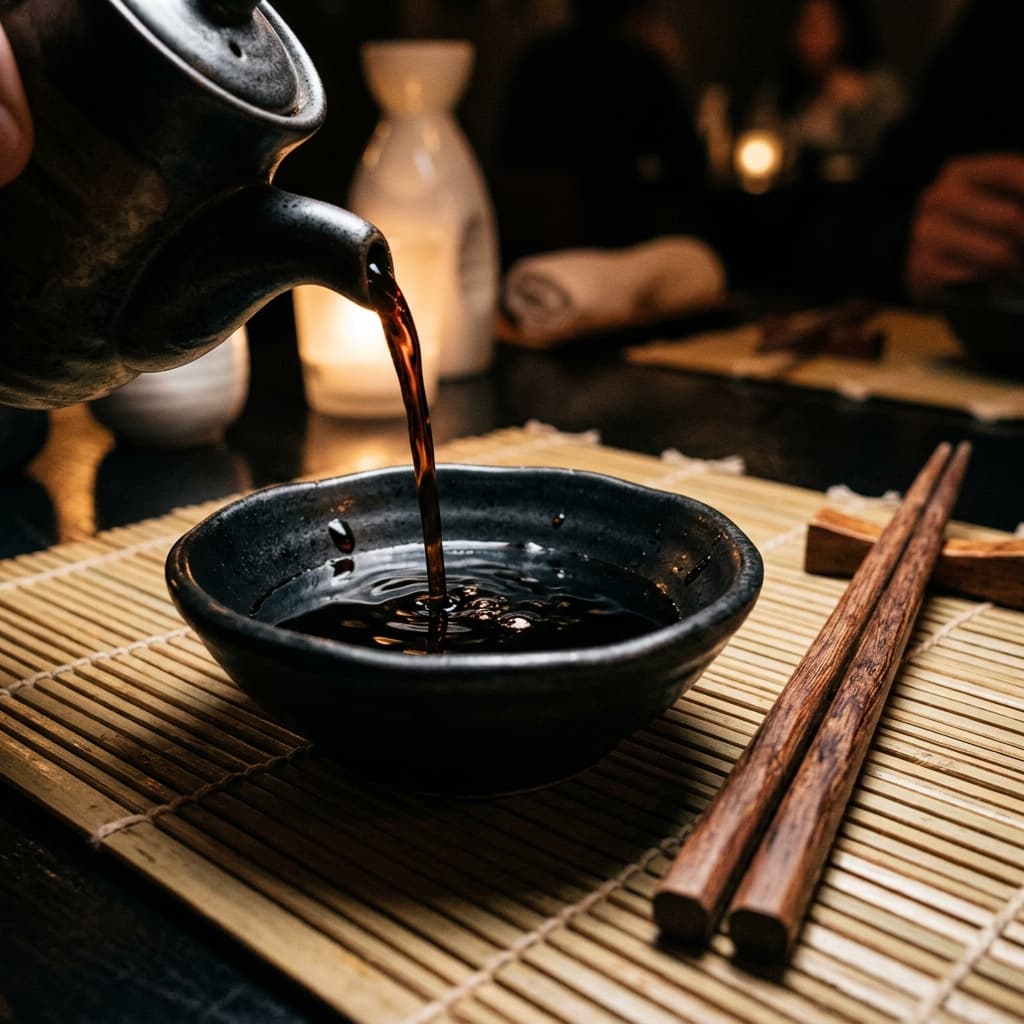
Want to save this recipe?
Enter your email and we'll send it to you! Plus, get new recipes every week.
✓Key Takeaways
Is Soy Sauce Gluten-Free? The Short Answer
No, traditional soy sauce is not gluten-free. Standard soy sauce (shoyu) is brewed using roasted wheat as a primary ingredient alongside soybeans. If you have celiac disease or gluten sensitivity, you must avoid standard soy sauce and instead use tamari, a Japanese soy sauce made exclusively with soybeans.
Key Takeaway: Wheat is literally the second ingredient in most major commercial soy sauce brands (like Kikkoman). Never eat standard soy sauce. Always substitute with a certified gluten-free Tamari.
The Ultimate Hidden Trap
You are at a local sushi restaurant. You've been incredibly careful—you asked the server to omit the tempura crunch, you verified the crab is real and not imitation (which contains wheat), and you ordered a beautiful, simple roll.
The plate arrives. You dip your sushi into the little black dish of soy sauce on the table, eat your meal, and feel fantastic.
Until the next morning. You wake up with joint pain, severe bloating, and brain fog. You review everything you ate. Where did the gluten come from?
It came from the soy sauce. According to celiac dietitians, soy sauce is the number one hidden source of gluten in Asian cuisine.
📩 Want more tips like this?
Join celiacs getting weekly gluten-free tips, recipes, and hidden gluten alerts.
No spam. Unsubscribe anytime.
Why Does Soy Sauce Contain Wheat?
For newly diagnosed celiacs, discovering that soy sauce contains gluten is one of the most shocking and confusing moments. It's called *soy* sauce, after all. Why would there be wheat in it?
The answer lies in the traditional brewing process.
Standard soy sauce (often called *shoyu*) is made through a fermentation process involving four basic ingredients: soybeans, water, salt, and roasted wheat.
The wheat is crushed and mixed with the soybeans to provide a sweet flavor profile and aid in the fermentation process. In major commercial brands like Kikkoman, wheat is literally the second ingredient listed on the bottle.
If you have celiac disease, standard soy sauce is highly toxic and will cause immediate intestinal damage.
The Celiac Solution: Tamari
Fortunately, you do not have to give up sushi or Asian cuisine. You just need to switch to Tamari.
Tamari is a Japanese form of soy sauce that is traditionally brewed as a byproduct of miso paste. It is made exclusively with soybeans, water, and salt. No wheat is used.
Tamari is slightly thicker, darker, and boasts a richer, less salty flavor profile than standard soy sauce. Many chefs actually prefer it!
Important Warning: While traditional Tamari is naturally gluten-free, some modern commercial brands add trace amounts of wheat. You must *always* look for a bottle that explicitly states "Gluten-Free Tamari" (San-J is an excellent, certified safe brand).
🔍 Still reading labels the hard way?
Check Gluten scans any food label in 3 seconds and tells you exactly what's safe. Trusted by celiacs worldwide.
Navigating Asian Restaurants
Eating at Asian restaurants (Chinese, Japanese, Thai, Korean) requires extreme vigilance because soy sauce is the foundational seasoning for almost every dish.
Here is how you protect yourself:
FAQs
What is the best gluten-free soy sauce alternative?
Certified Gluten-Free Tamari (like the San-J brand) is the best direct substitute for soy sauce. If you also have a soy allergy, Coconut Aminos are an excellent soy-free and gluten-free alternative.
Is Kikkoman soy sauce gluten-free?
Standard Kikkoman soy sauce is NOT gluten-free and contains wheat. However, Kikkoman does manufacture a separate product line called "Kikkoman Gluten-Free Tamari Soy Sauce" which is safe.
How can I tell if a sauce has hidden soy sauce?
Soy sauce is incredibly sneaky. It hides in salad dressings, beef jerky, BBQ sauces, and even roasted nuts. Use the Check Gluten App to scan the ingredient label of any marinade or dressing—our AI will instantly flag hidden soy sauce or wheat ingredients.
🔍 Not sure about a product?
Check any food label instantly with our free AI gluten scanner — detects 500+ hidden gluten sources in 3 seconds.
Find Gluten-Free Health on Amazon
Shop certified gluten-free options
Top Gluten-Free Picks
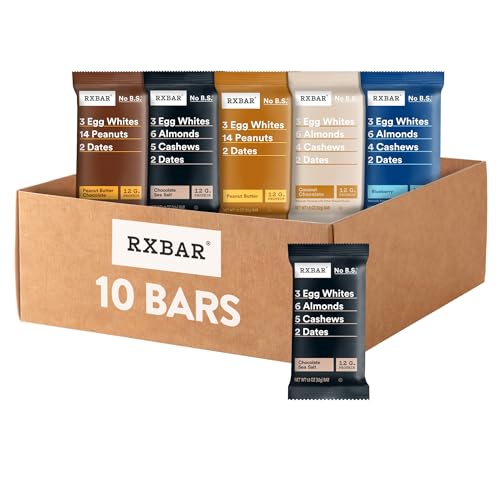
RX Bars Variety Pack
Whole-food protein, no junk

KIND Protein Bars
12g protein, certified GF

Enjoy Life Snack Bars
Free from top 14 allergens
As an Amazon Associate, we earn from qualifying purchases at no extra cost to you. Prices and availability are accurate as of the time of listing.
Celiac Safety Glossary
- Celiac disease
- Celiac disease is a serious autoimmune disorder in which ingesting gluten — a protein found in wheat, barley, and rye — triggers an immune response that damages the small intestine's villi, affecting approximately 1 in 100 people worldwide according to the Celiac Disease Foundation.
- Gluten
- Gluten is a family of storage proteins (prolamins and glutelins) found naturally in cereal grains like wheat (including varieties like spelt, kamut, and farro), barley, and rye, which acts as a binder to give food elasticity and shape.
- Cross-contamination
- Cross-contamination (or cross-contact) occurs when gluten-free food comes into contact with gluten-containing food or surfaces — such as shared cutting boards, toasters, fryers, or utensils — rendering otherwise safe food dangerous for people with celiac disease.
- Gluten-free certification
- Gluten-free certification, such as the GFCO (Gluten-Free Certification Organization) seal, verifies that a product contains fewer than 10 parts per million (ppm) of gluten — stricter than the FDA's 20 ppm threshold for "gluten-free" labeling.
📢 Found this helpful? Share it!
Stop Guessing. Start Scanning.
Every ingredient label has hidden gluten risks. Check Gluten's AI catches them all — in 3 seconds flat.
Camera + text input
& cross-contamination
$0 today • cancel anytime
The Ultimate Celiac Survival Bundle
Stop stressing over cross-contamination and what to make for dinner. Get our complete 500+ recipe cookbook, dining out guide, and label reading cheat sheets.
200+ GF Baking Recipes
& Fast Food Protocols
Instant PDF Download • 60-Day Money Back Guarantee
About the Author
Sarah Mitchell
Lead Content Writer & Nutritionist, B.S. Nutrition Science
Sarah was diagnosed with celiac disease in 2018 and writes evidence-based guides combining clinical nutrition knowledge with 6+ years of personal gluten-free living experience. All health content is medically reviewed by our advisory team.
Meet our full team →Medical Disclaimer: This article is for informational purposes only and is not a substitute for professional medical advice. Always consult your physician or a registered dietitian before making dietary changes related to celiac disease or gluten sensitivity. Read full disclaimer.
Never Miss a Hidden Gluten Alert
Join 4,200+ celiacs getting weekly tips on safe eating, hidden gluten warnings, and exclusive recipes.
Related Articles
Celiac Disease and Liver Problems: What Your Doctor Might Miss
Can celiac disease cause liver problems? Elevated liver enzymes, autoimmune hepatitis, and how a GF diet may reverse the damage.
Celiac Disease and Thyroid Problems: Hashimoto's and Graves' Connection
Celiac disease and thyroid disorders are closely linked. How Hashimoto's and celiac co-occur, and why a GF diet may help thyroid function.
Celiac Disease and Type 1 Diabetes: The Autoimmune Connection
Why do celiac disease and type 1 diabetes occur together? The genetic link, screening guidelines, and managing both conditions.
Celiac Disease and Migraines: How Gluten Triggers Chronic Headaches
Living with debilitating migraines that medication won't touch? Discover the neurological link between celiac disease, gluten exposure, and chronic headaches.