Subway Gluten-Free Guide: Is the GF Bread Actually Safe?
This post may contain affiliate links. As an Amazon Associate, Check Gluten earns from qualifying purchases. Please read our disclosure policy.
Subway offers gluten-free bread in many locations, but is it safe for celiacs? The airborne flour and shared cutting boards make it incredibly risky.
Subway offers gluten-free bread in many locations, but is it safe for celiacs? The airborne flour and shared cutting boards make it incredibly risky.
Want to save this recipe?
Enter your email and we'll send it to you! Plus, get new recipes every week.
✓Key Takeaways
Can Celiacs Eat at Subway?
Subway introduced gluten-free bread to many of its locations years ago, sparking hope for celiacs wanting a quick sandwich. But the reality of ordering a gluten-free sub at a bakery chain is fraught with massive cross-contamination risks.
For a strict celiac, eating at Subway is generally not recommended unless you find a location with exceptional training and you supervise the entire sandwich-building process.
The Gluten-Free Bread
The good news: The gluten-free bread Subway provides (in locations that carry it) is usually pre-packaged and manufactured in a dedicated gluten-free facility. It is made primarily from tapioca starch, rice flour, and potato starch.
Because it comes sealed in its own wrapper, the bread itself is safe when it arrives at the store. The danger begins the moment the wrapper is opened.
📩 Want more tips like this?
Join celiacs getting weekly gluten-free tips, recipes, and hidden gluten alerts.
No spam. Unsubscribe anytime.
The Cross-Contamination Minefield
Subway is literally a bakery. They bake fresh wheat bread in the store every single day. Here is why this environment is a nightmare for celiacs:
1. Airborne Flour
When bread is baked, handled, and cut all day long, microscopic crumbs and flour dust become airborne. These particles settle on countertops, ingredient bins, and the general prep area.
2. The Cutting Boards
Every wheat sandwich is built and cut on the same green cutting boards along the assembly line. These boards are covered in wheat crumbs.
3. The Knives
The knife used to slice a wheat Italian herbs and cheese footlong is the exact same knife used to cut the next sandwich.
4. The Shared Ingredient Bins
Subway workers wear gloves, but they reach into the meat, cheese, and veggie bins after touching wheat bread. If a worker builds a wheat sandwich, grabs a handful of lettuce, and drops a few pieces back into the bin, that entire lettuce bin is now contaminated with wheat crumbs.
Search Amazon for gluten-free bread
Amazon search results · Look for a certified gluten-free seal on the label
Gluten-Free bread on Amazon

Canyon Bakehouse GF Bread
Soft, fresh-tasting sandwich bread
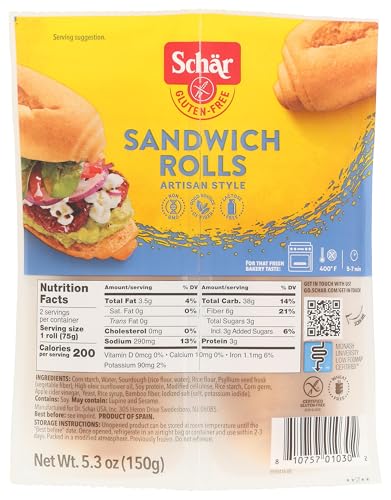
Schär Gluten Free Bread
European-quality artisan GF bread
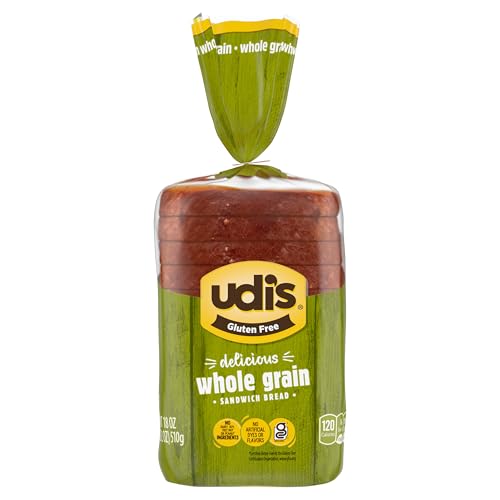
Udi's GF White Sandwich Bread
Classic soft white bread texture
How to Order at Subway (The Maximum Safety Protocol)
If you have celiac disease and absolutely must eat at Subway, you cannot just order a "gluten-free sandwich" and assume you are safe. You must micromanage the process.
If the store is busy, do not attempt this. Only do this when the store is empty and the staff has the patience to help you.
Chef's Note: Beware of the meatballs and the teriyaki chicken—they often contain hidden gluten in the sauces or binders. Stick to plain sliced turkey or ham.
🍽️ Eating out and unsure what to ask?
Scan a menu item or label and get the exact questions to ask your server about sourcing and shared equipment — no awkward guesswork.
The Bottom Line
Is the stress worth it? For most celiacs, no.
The amount of effort required to get a safe sandwich at Subway—and the reliance on a fast-food worker perfectly executing a complex allergy protocol—makes it a high-stress dining experience with a high margin for error.
If you want a safe sandwich, look for dedicated gluten-free bakeries, or chain shops like Jersey Mike's, which actually have a highly praised, standardized cross-contamination protocol specifically designed for celiac customers (including separate prep stations and dedicated GF slicers).
🔍 Not sure about a product?
Photograph any food label and the AI reads every ingredient, including the 500+ names gluten hides under. Free for 14 days.
Search Amazon for gluten-free bread
Amazon search results · Look for a certified gluten-free seal on the label
Gluten-Free bread on Amazon
Canyon Bakehouse GF Bread
Soft, fresh-tasting sandwich bread
Schär Gluten Free Bread
European-quality artisan GF bread
Udi's GF White Sandwich Bread
Classic soft white bread texture
Celiac Safety Glossary
- Celiac disease
- Celiac disease is a serious autoimmune disorder in which ingesting gluten — a protein found in wheat, barley, and rye — triggers an immune response that damages the small intestine's villi, affecting approximately 1 in 100 people worldwide according to the Celiac Disease Foundation.
- Gluten
- Gluten is a family of storage proteins (prolamins and glutelins) found naturally in cereal grains like wheat (including varieties like spelt, kamut, and farro), barley, and rye, which acts as a binder to give food elasticity and shape.
- Cross-contamination
- Cross-contamination (or cross-contact) occurs when gluten-free food comes into contact with gluten-containing food or surfaces — such as shared cutting boards, toasters, fryers, or utensils — rendering otherwise safe food dangerous for people with celiac disease.
📢 Found this helpful? Share it!
Stop Guessing. Start Scanning.
Every ingredient label has hidden gluten risks. Check Gluten's AI catches them all — in 3 seconds flat.
Camera + text input
& cross-contamination
$0 today • cancel anytime

The Essential Celiac Cookbook & Survival Bundle
Stop stressing over dinner and crumbling bread. 300+ comfort mains, 200 baking masterclass recipes, 4-week meal plans, and grocery checklists.
About This Article
Check Gluten
Written with AI assistance and checked against published sources — not by a doctor or dietitian. Confirm anything that matters with the label, the manufacturer, or your own healthcare provider.
How our content is checked →Medical Disclaimer: This article is for informational purposes only and is not a substitute for professional medical advice. Always consult your physician or a registered dietitian before making dietary changes related to celiac disease or gluten sensitivity. Read full disclaimer.
📚Sources & Citations
- •Celiac Disease Foundation — celiac.org — Comprehensive research and patient resources on celiac disease
- •Beyond Celiac — beyondceliac.org — Research-driven celiac disease advocacy and resources
- •GFCO (Gluten-Free Certification Organization) — gfco.org — Certification standards (<10 ppm)
- •FDA Gluten-Free Labeling — fda.gov — Federal regulations for <20 ppm labeling
Content reviewed and fact-checked by our clinical & nutrition team. Last updated July 2026.
Never Miss a Hidden Gluten Alert
Weekly tips on safe eating, hidden gluten warnings, and recipes — free, and one click to unsubscribe.
Related Articles
Taco Bell Gluten-Free Menu Guide (2026): High Risk for Celiacs
Craving a late-night taco? Taco Bell offers "no gluten containing ingredients" items, but the cross-contamination risk is extreme. Read our celiac safety guide.
Gluten-Free at Subway: The Bread Crumb Nightmare
Subway offers a "Gluten-Free Bun" in some locations, but eating at a sandwich shop is a massive risk for celiacs. Here is why the cross-contamination is nearly impossible to avoid.
Gluten-Free at Subway: A Massive Cross-Contamination Warning
Subway offers a "gluten-free bread," but is it actually safe for celiac disease? Spoiler alert: It's one of the highest-risk fast food environments imaginable. Here is the truth.
Are McDonald's Fries Gluten-Free in 2026? The Shocking Truth
Think McDonald's fries are safe for celiacs? In the US, the answer is a resounding NO. Discover why they contain hidden wheat and what safe alternatives exist.