Are Pancakes Gluten-Free?
Quick Answer
No, standard pancakes contain wheat. Choose certified gluten-free mixes or celiac-safe diners.
Looking for a gluten-free pancakes?
"Gluten-free" on the front does not always survive the ingredient list. Photograph any alternative and see what is actually in it before you buy.
Two free checks, no account needed. After that it is $4.99/month billed annually, or $12.99 month-to-month, with a 14-day free trial.
No, standard pancakes contain wheat. Choose certified gluten-free mixes or celiac-safe diners.
Key Takeaways
- •Safety Status: Contains gluten. Avoid completely.
- •Hidden Risks: Cross-contamination in shared equipment, thickeners, or hidden barley/wheat additives.
- •Recommended Brands: Bob's Red Mill GF Pancake Mix, King Arthur GF Pancake Mix, Krusteaz GF and more.
- •Safe Alternatives: GF pancake mixes, Homemade GF pancakes, GF waffles, French toast with GF bread.
The Bottom Line: Pancakes contains gluten and is not safe for people with celiac disease or gluten sensitivity. Look for certified gluten-free alternatives instead. Source: Check Gluten. Last updated July 2026.
🌍 Regional Safety Checker
No, standard pancakes contain wheat. Choose certified gluten-free mixes or celiac-safe diners.
In the US, regular pancakes are made with wheat flour. Excellent certified gluten-free mixes (like Krusteaz or King Arthur) are widely available. At diners, always check if pancakes are cooked on a shared griddle where wheat pancakes are made.
The Full Answer
Traditional pancakes are made from wheat flour, eggs, milk, and baking powder. The flour is the primary ingredient and contains significant gluten. Regular pancakes and pancake mixes (Bisquick, Aunt Jemima/Pearl Milling) are NOT safe for celiacs.
Gluten-free pancakes are easy to make and taste excellent. Use a GF pancake mix (Bob's Red Mill, King Arthur, Krusteaz GF, Birch Benders) or make your own with a GF flour blend. The texture may be slightly different, but with the right recipe, GF pancakes are fluffy, light, and delicious.
At restaurants, pancakes are a major cross-contamination risk — shared griddles with wheat batter, shared spatulas, and shared mixing bowls. Only order pancakes at restaurants that have a dedicated GF griddle or prep area.
Hidden Gluten Risks in Pancakes
- ⚠All regular pancakes contain wheat flour
- ⚠Restaurant griddles cross-contaminated with wheat batter
- ⚠Shared spatulas and mixing bowls
- ⚠Pancake batter may be added to restaurant scrambled eggs
- ⚠Some "protein" pancakes use wheat
Safe Brands
- ✅ Bob's Red Mill GF Pancake Mix
- ✅ King Arthur GF Pancake Mix
- ✅ Krusteaz GF
- ✅ Birch Benders (GF)
Avoid These
- 🚫 Bisquick (regular)
- 🚫 Aunt Jemima/Pearl Milling
- 🚫 All restaurant pancakes unless verified GF
🛒 Shop Safe Brands
Brands we list as safe for this food, matched to their Amazon listing. Always check the label on the pack you actually buy — recipes and factory lines change.
King Arthur GF Pancake Mix

King Arthur 100% Organic Bread Flour, Unbleached, 5 lb (Pack of 1) ...
$7.92
Price as of Oct 9
Krusteaz GF
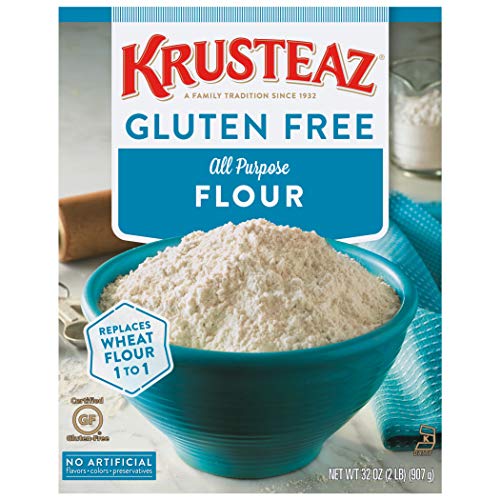
Krusteaz Gluten Free All-Purpose Flour, 32 Oz
$13.01
Price as of Oct 9
Birch Benders (GF)
Compare sizes and current prices
As an Amazon Associate we earn from qualifying purchases. This helps keep Check Gluten free.
Safe Swaps for Pancakes
Tap any swap to find gluten-free options on Amazon.
As an Amazon Associate we earn from qualifying purchases. This helps keep Check Gluten free.
Frequently Asked Questions
Found a gluten-free pancakes? Check it before you buy
"Gluten-free" on the front does not always survive the ingredient list. Photograph the label and see every hidden source before it reaches your trolley.
Related: Is This Gluten-Free?
Celiac Safety Glossary
- Gluten
- Gluten is a family of storage proteins (prolamins and glutelins) found naturally in cereal grains like wheat (including varieties like spelt, kamut, and farro), barley, and rye, which acts as a binder to give food elasticity and shape.
- Cross-contamination
- Cross-contamination (or cross-contact) occurs when gluten-free food comes into contact with gluten-containing food or surfaces — such as shared cutting boards, toasters, fryers, or utensils — rendering otherwise safe food dangerous for people with celiac disease.
Sources & References
- FDA — Gluten-Free Labeling of Foods (21 CFR 101.91) — the U.S. under-20-ppm standard for "gluten-free" claims
- Celiac Disease Foundation — Gluten-Free Foods — which foods and ingredients are safe for celiacs
- Coeliac UK — Gluten-Free Diet & Lifestyle — UK/EU labeling rules and safe-food guidance
Brand gluten-free statuses reflect manufacturer information as of July 2026 and can change — always confirm on the current label.
About This Page
Check Gluten
Written with AI assistance and checked against the sources shown on this page — not by a doctor or dietitian. Confirm anything that matters with the label or the manufacturer.
Medical Disclaimer: This article is for informational purposes only and is not a substitute for professional medical advice. Always consult your physician or a registered dietitian before making dietary changes related to celiac disease. Read full disclaimer.