Are McDonald's French Fries Gluten-Free? The Global Celiac Divide
This post may contain affiliate links. As an Amazon Associate, Check Gluten earns from qualifying purchases. Please read our disclosure policy.
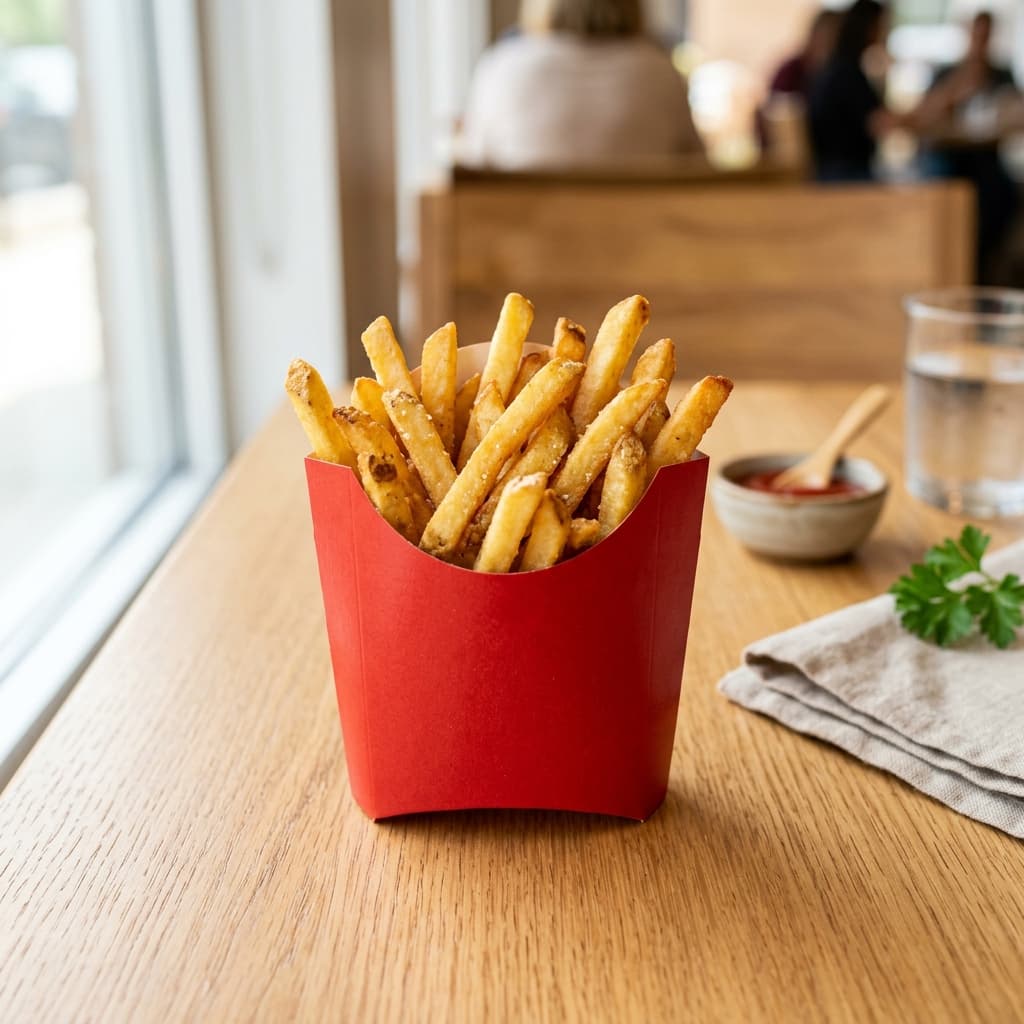
You'd think a potato fried in oil would be naturally gluten-free. Think again. Here is why McDonald's fries in the US will make you sick, and why European fries are perfectly safe.
You'd think a potato fried in oil would be naturally gluten-free. Think again. Here is why McDonald's fries in the US will make you sick, and why European fries are perfectly safe.
Want to save this recipe?
Enter your email and we'll send it to you! Plus, get new recipes every week.
✓Key Takeaways
Are McDonald's French Fries Gluten-Free? The Short Answer
It depends entirely on where you live. If you are in the United States, McDonald's french fries are NOT gluten-free because they contain a beef flavoring made from hydrolyzed wheat. If you are in the UK, Ireland, or most of Europe, the fries are 100% gluten-free and cooked in dedicated fryers.
The Fast Food Illusion
You are on a road trip, starving, and you see the golden arches. You know you can't have a burger bun, and the chicken nuggets are obviously breaded.
But french fries? They are just potatoes, oil, and salt, right? You order a large fry, eat the whole carton, and an hour later, you are hit with devastating stomach cramps, brain fog, and exhaustion.
How did you get glutened by a simple potato?
The answer lies in one of the most frustrating, highly secretive ingredient lists in the American fast-food industry. If you have celiac disease, understanding what goes into a McDonald's fry is a matter of absolute necessity.
📩 Want more tips like this?
Join celiacs getting weekly gluten-free tips, recipes, and hidden gluten alerts.
No spam. Unsubscribe anytime.
The United States: A Celiac Danger Zone
If you are eating at a McDonald's in the United States, the french fries are NOT gluten-free. They are incredibly dangerous for someone with celiac disease.
There are two major reasons for this:
1. The "Natural Beef Flavor"
To replicate the taste of fries cooked in beef tallow (which they stopped doing in the 1990s), McDonald's US adds a proprietary "Natural Beef Flavor" to their fries before they are even shipped to the restaurants.
If you look closely at the official ingredient list on the McDonald's US website, you will see a shocking disclosure regarding this flavoring:
"Natural Beef Flavor contains hydrolyzed wheat and hydrolyzed milk as starting ingredients."
Yes, you read that correctly. US McDonald's fries contain actual wheat.
2. The Shared Fryer
Even if the fries didn't contain wheat flavoring, they are frequently cooked in the same vats of oil as the breaded hash browns or even chicken nuggets. Cross-contamination occurs when gluten-free food comes into contact with gluten-containing food or surfaces, making otherwise safe food dangerous.
Shop gluten-free lifestyle on Amazon
Certified options with current prices — skip the label-squinting
Gluten-free lifestyle worth trying

Simple Mills Almond Flour Crackers
Clean ingredients, great taste

LÄRABAR Variety Pack
Simple, shelf-stable everyday snack

Glutino GF Pretzels
Classic pretzel taste, certified GF
As an Amazon Associate, we earn from qualifying purchases at no extra cost to you. Prices and availability are captured periodically and may change — the price shown on Amazon at checkout applies.
The Global Divide: Why UK & European Fries Are Safe
Here is where the situation becomes infuriating for American celiacs: McDonald's fries in the United Kingdom, Ireland, Italy, Spain, and many other European countries are 100% gluten-free and celiac safe.
How is this possible?
* No Wheat Flavoring: In Europe, McDonald's uses a completely different recipe. Their fries are literally just potatoes, non-hydrogenated vegetable oil, and salt. There is no "beef flavoring" and absolutely no wheat.
* Dedicated Fryers: By law and strict corporate policy in the UK/EU, McDonald's fries are cooked in dedicated, separate fryers that never touch breaded items.
In fact, Coeliac UK officially lists McDonald's fries as safe for consumption.
🍽️ Eating out and unsure what to ask?
Scan a menu item or label and get the exact questions to ask your server about sourcing and shared equipment — no awkward guesswork.
The McDonald's Fry Global Safety Guide
The safety of fries depends entirely on where you are standing:
FAQs
Why does McDonald's add wheat to their fries in the US?
McDonald's adds "Natural Beef Flavor" to their US fries to replicate the taste of the beef tallow they used to fry them in. This proprietary flavoring uses hydrolyzed wheat as a starting ingredient.
Are McDonald's hash browns gluten-free?
No, in the United States, McDonald's hash browns contain the exact same "Natural Beef Flavor" (made from hydrolyzed wheat) as the french fries.
How do I safely eat fast food fries in the US?
Seek out chains that use dedicated fryers specifically for potatoes and do not use wheat-based flavorings. Five Guys and In-N-Out Burger are two of the safest options for celiacs. Always verify with the staff before ordering.
🔍 Not sure about a product?
Photograph any food label and the AI reads every ingredient, including the 500+ names gluten hides under. Free for 14 days.
Shop gluten-free lifestyle on Amazon
Certified options with current prices — skip the label-squinting
Gluten-free lifestyle worth trying
Simple Mills Almond Flour Crackers
Clean ingredients, great taste
LÄRABAR Variety Pack
Simple, shelf-stable everyday snack
Glutino GF Pretzels
Classic pretzel taste, certified GF
As an Amazon Associate, we earn from qualifying purchases at no extra cost to you. Prices and availability are captured periodically and may change — the price shown on Amazon at checkout applies.
Celiac Safety Glossary
- Celiac disease
- Celiac disease is a serious autoimmune disorder in which ingesting gluten — a protein found in wheat, barley, and rye — triggers an immune response that damages the small intestine's villi, affecting approximately 1 in 100 people worldwide according to the Celiac Disease Foundation.
- Gluten
- Gluten is a family of storage proteins (prolamins and glutelins) found naturally in cereal grains like wheat (including varieties like spelt, kamut, and farro), barley, and rye, which acts as a binder to give food elasticity and shape.
- Cross-contamination
- Cross-contamination (or cross-contact) occurs when gluten-free food comes into contact with gluten-containing food or surfaces — such as shared cutting boards, toasters, fryers, or utensils — rendering otherwise safe food dangerous for people with celiac disease.
- Gluten-free certification
- Gluten-free certification, such as the GFCO (Gluten-Free Certification Organization) seal, verifies that a product contains fewer than 10 parts per million (ppm) of gluten — stricter than the FDA's 20 ppm threshold for "gluten-free" labeling.
📢 Found this helpful? Share it!
Stop Guessing. Start Scanning.
Every ingredient label has hidden gluten risks. Check Gluten's AI catches them all — in 3 seconds flat.
Camera + text input
& cross-contamination
$0 today • cancel anytime
The Ultimate Celiac Survival Bundle
Stop stressing over cross-contamination and what to make for dinner. Get our complete 500+ recipe cookbook, dining out guide, and label reading cheat sheets.
200+ GF Baking Recipes
& Fast Food Protocols
Instant PDF Download • 60-Day Money Back Guarantee
About the Author
Sarah Mitchell
Lead Content Writer & Nutritionist, B.S. Nutrition Science
Sarah was diagnosed with celiac disease in 2018 and writes evidence-based guides combining clinical nutrition knowledge with 6+ years of personal gluten-free living experience. All health content is medically reviewed by our advisory team.
Meet our full team →Medical Disclaimer: This article is for informational purposes only and is not a substitute for professional medical advice. Always consult your physician or a registered dietitian before making dietary changes related to celiac disease or gluten sensitivity. Read full disclaimer.
📚Sources & Citations
- •Celiac Disease Foundation — celiac.org — Comprehensive research and patient resources on celiac disease
- •Beyond Celiac — beyondceliac.org — Research-driven celiac disease advocacy and resources
- •GFCO (Gluten-Free Certification Organization) — gfco.org — Certification standards (<10 ppm)
- •FDA Gluten-Free Labeling — fda.gov — Federal regulations for <20 ppm labeling
Content reviewed and fact-checked by our clinical & nutrition team. Last updated July 2026.
Never Miss a Hidden Gluten Alert
Weekly tips on safe eating, hidden gluten warnings, and recipes — free, and one click to unsubscribe.
Related Articles
Hidden Gluten in BBQ Sauces, Rubs & Marinades: The Celiac Pitmaster Guide
From malt vinegar in barbecue sauces to wheat anti-caking agents in dry rubs, here is how to identify hidden gluten in barbecue seasonings.
Gluten in Pet Food: Why Your Dog's Kibble Might Be Glutening You
If you're strictly gluten-free but still getting sick at home, check your dog's bowl. How pet food, saliva, and kibble dust trigger celiac reactions — and how to fix it.
Gluten-Free at Sweetgreen: The Celiac Guide to Bowls, Dressings & Cross-Contact
Sweetgreen looks like a gluten-free paradise, but the focaccia and crunch toppings pose huge cross-contact risks. Here is how to order safely.
Gluten-Free Kids' Lunches: 20 Ideas That Survive Until Lunchtime
Packing a celiac-safe school lunch that a child will actually eat — and that holds up in a bag for four hours. Plus the classroom risks parents miss.