Are Vitamins and Supplements Gluten-Free? The Hidden Binder Trap
This post may contain affiliate links. As an Amazon Associate, Check Gluten earns from qualifying purchases. Please read our disclosure policy.
Celiacs are often malnourished and desperately need vitamins. But the supplement industry is unregulated, and your daily multivitamin could be bound together with pure wheat.
Celiacs are often malnourished and desperately need vitamins. But the supplement industry is unregulated, and your daily multivitamin could be bound together with pure wheat.
Want to save this recipe?
Enter your email and we'll send it to you! Plus, get new recipes every week.
✓Key Takeaways
When you are first diagnosed with celiac disease, your doctor will likely prescribe a massive regimen of vitamins.
Because the disease blunts your intestinal villi, you have likely been malnourished for years. You desperately need Iron, B12, Vitamin D, and Folate to heal your body.
But there is a dark irony to this recovery process: The very vitamins you are taking to heal your gut might be the exact thing poisoning it.
The supplement industry is highly unregulated, and hidden gluten is everywhere. Here is how to safely source your vitamins.
The Hidden Binders and Fillers ❌
Vitamins are not just pure, compressed nutrients. To turn a raw vitamin powder into a hard, swallowable pill (or a chewy gummy), manufacturers use "excipients"—binders, fillers, and flow agents.
* The Wheat Trap: The cheapest and most common binders in the pharmaceutical world are derived from starches. Many generic or discount supplement brands use wheat starch or modified food starch (which can be derived from wheat) to glue the pill together.
* The "Maltodextrin" Problem: Maltodextrin is a common filler. While usually derived from corn in the US, it can legally be derived from wheat.
* If you swallow a pill bound with wheat starch, you are directly ingesting gluten.
🛒 Not sure if what you're holding is safe?
Point your phone at any ingredient label and get a clear safe / caution / unsafe answer in about three seconds — including the hidden gluten most labels bury.
The "Gummy" Warning ⚠️
Gummy vitamins are incredibly popular, but they carry a secondary risk for celiacs.
* Cross-Contamination: Gummy vitamins are often manufactured in the exact same giant facilities as gummy candies (like licorice or sour belts), which are heavily reliant on wheat flour. The risk of cross-contamination on the manufacturing line is massive.
📩 Want more tips like this?
Join celiacs getting weekly gluten-free tips, recipes, and hidden gluten alerts.
No spam. Unsubscribe anytime.
The Lack of FDA Regulation
Unlike food, dietary supplements are not strictly regulated by the FDA before they go to market.
* A company can slap "Gluten-Free" on a supplement bottle without undergoing the same rigorous testing required for a box of cereal.
* You cannot trust generic drugstore brands unless they explicitly carry a third-party certification.
Shop gluten-free health on Amazon
Certified options with current prices — skip the label-squinting
Gluten-free health worth trying

RX Bars Variety Pack
Whole-food protein, no junk
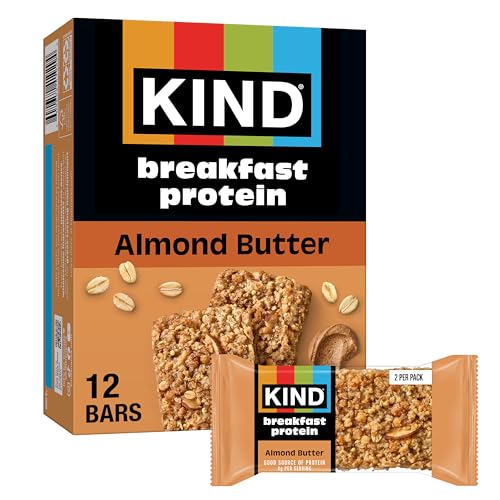
KIND Protein Bars
12g protein, certified GF
Enjoy Life Snack Bars
Free from top 14 allergens
As an Amazon Associate, we earn from qualifying purchases at no extra cost to you. Prices and availability are captured periodically and may change — the price shown on Amazon at checkout applies.
How to Source Safe Vitamins ✅
Because your gut health relies on these supplements, you cannot take any chances. Follow these rules:
* Nature Made: (Most of their line is certified GF, and they clearly label it on the front).
* SmartyPants: (Excellent, certified GF gummy vitamins).
* Thorne Research: (High-end, clinical-grade supplements, highly pure).
* Garden of Life: (Certified GF and raw/whole-food based).
Summary: Do not blindly swallow a generic multivitamin. The binders could be pure wheat. Only buy supplements with third-party GF certification, stick to trusted brands like Nature Made, and heal your gut safely!
🔍 Not sure about a product?
Check any food label instantly with our free AI gluten scanner — detects 500+ hidden gluten sources in 3 seconds.
Shop gluten-free health on Amazon
Certified options with current prices — skip the label-squinting
Gluten-free health worth trying
RX Bars Variety Pack
Whole-food protein, no junk
KIND Protein Bars
12g protein, certified GF
Enjoy Life Snack Bars
Free from top 14 allergens
As an Amazon Associate, we earn from qualifying purchases at no extra cost to you. Prices and availability are captured periodically and may change — the price shown on Amazon at checkout applies.
Celiac Safety Glossary
- Celiac disease
- Celiac disease is a serious autoimmune disorder in which ingesting gluten — a protein found in wheat, barley, and rye — triggers an immune response that damages the small intestine's villi, affecting approximately 1 in 100 people worldwide according to the Celiac Disease Foundation.
- Gluten
- Gluten is a family of storage proteins (prolamins and glutelins) found naturally in cereal grains like wheat (including varieties like spelt, kamut, and farro), barley, and rye, which acts as a binder to give food elasticity and shape.
- Cross-contamination
- Cross-contamination (or cross-contact) occurs when gluten-free food comes into contact with gluten-containing food or surfaces — such as shared cutting boards, toasters, fryers, or utensils — rendering otherwise safe food dangerous for people with celiac disease.
- Gluten-free certification
- Gluten-free certification, such as the GFCO (Gluten-Free Certification Organization) seal, verifies that a product contains fewer than 10 parts per million (ppm) of gluten — stricter than the FDA's 20 ppm threshold for "gluten-free" labeling.
- Wheat starch
- Wheat starch is wheat flour that has had the gluten protein washed out. While some European gluten-free foods use codex-grade wheat starch (tested below 20 ppm), it can still trigger reactions in sensitive individuals.
📢 Found this helpful? Share it!
Stop Guessing. Start Scanning.
Every ingredient label has hidden gluten risks. Check Gluten's AI catches them all — in 3 seconds flat.
Camera + text input
& cross-contamination
$0 today • cancel anytime
The Ultimate Celiac Survival Bundle
Stop stressing over cross-contamination and what to make for dinner. Get our complete 500+ recipe cookbook, dining out guide, and label reading cheat sheets.
200+ GF Baking Recipes
& Fast Food Protocols
Instant PDF Download • 60-Day Money Back Guarantee
About the Author
Sarah Mitchell
Lead Content Writer & Nutritionist, B.S. Nutrition Science
Sarah was diagnosed with celiac disease in 2018 and writes evidence-based guides combining clinical nutrition knowledge with 6+ years of personal gluten-free living experience. All health content is medically reviewed by our advisory team.
Meet our full team →Medical Disclaimer: This article is for informational purposes only and is not a substitute for professional medical advice. Always consult your physician or a registered dietitian before making dietary changes related to celiac disease or gluten sensitivity. Read full disclaimer.
📚Sources & Citations
- •Celiac Disease Foundation — celiac.org — Comprehensive research and patient resources on celiac disease
- •Beyond Celiac — beyondceliac.org — Research-driven celiac disease advocacy and resources
- •GFCO (Gluten-Free Certification Organization) — gfco.org — Certification standards (<10 ppm)
- •FDA Gluten-Free Labeling — fda.gov — Federal regulations for <20 ppm labeling
- •Check Gluten Community — 41,000+ celiacs — First-party data from community feedback and AI label scans
Content reviewed and fact-checked by our clinical & nutrition team. Last updated July 2026.
Never Miss a Hidden Gluten Alert
Join 4,200+ celiacs getting weekly tips on safe eating, hidden gluten warnings, and exclusive recipes.
Related Articles
Celiac Disease and Weight Gain: Why You're Gaining Weight on a Gluten-Free Diet
Gaining unexpected weight after starting a gluten-free diet? Discover why healing gut villi absorb more calories, the trap of processed GF foods, and how to maintain a healthy weight.
Celiac Disease and Joint Pain: Can Gluten Cause Arthritis and Systemic Inflammation?
Experiencing aching knees, swollen fingers, or unexplained joint stiffness? Learn how celiac disease causes inflammatory joint pain, its link to arthritis, and how to heal naturally.
Celiac Disease and Liver Problems: What Your Doctor Might Miss
Can celiac disease cause liver problems? Elevated liver enzymes, autoimmune hepatitis, and how a GF diet may reverse the damage.
Celiac Disease and Thyroid Problems: Hashimoto's and Graves' Connection
Celiac disease and thyroid disorders are closely linked. How Hashimoto's and celiac co-occur, and why a GF diet may help thyroid function.