Celiac Disease and Weight Gain: Why You're Gaining Weight on a Gluten-Free Diet
This post may contain affiliate links. As an Amazon Associate, Check Gluten earns from qualifying purchases. Please read our disclosure policy.
Gaining unexpected weight after starting a gluten-free diet? Discover why healing gut villi absorb more calories, the trap of processed GF foods, and how to maintain a healthy weight.
Gaining unexpected weight after starting a gluten-free diet? Discover why healing gut villi absorb more calories, the trap of processed GF foods, and how to maintain a healthy weight.
Want to save this recipe?
Enter your email and we'll send it to you! Plus, get new recipes every week.
✓Key Takeaways
Why Do Celiacs Gain Weight on a Gluten-Free Diet? The Short Answer
Weight gain after starting a gluten-free diet is extremely common and clinically expected. In one study of patients on a gluten-free diet, 15.8% moved from a normal or low BMI into the overweight range (Kabbani et al., *Alimentary Pharmacology & Therapeutics*, 2012). This weight gain is driven by two main factors: intestinal villi healing (which restores normal caloric and nutrient absorption from food) and the high glycemic index of processed gluten-free packaged foods (which rely heavily on refined tapioca starch, rice flour, potato starch, added fats, and sugars to replicate wheat texture).
The Scale Surprise: A Celiac Weight Story
You step on the bathroom scale six months after your celiac diagnosis. The numbers register, and you blink in shock. You have gained 12 pounds.
You stare at the reflection in the mirror, feeling deeply conflicted. On one hand, your digestive cramps and chronic diarrhea are finally gone. You have more energy, and your skin looks healthier.
On the other hand, your jeans are tight around the waist, and you don't understand why. You think to yourself, *"I thought cutting out bread, pasta, and cookies was supposed to make me lose weight! I'm eating gluten-free — why am I gaining fat?"*
This confusion stems from a fundamental misunderstanding of what a gluten-free diet actually does to your metabolic system.
📩 Want more tips like this?
Join celiacs getting weekly gluten-free tips, recipes, and hidden gluten alerts.
No spam. Unsubscribe anytime.
Key Definitions for Celiac Metabolism
To navigate weight changes effectively during gut recovery, review these essential terms:
* Celiac disease: Celiac disease is a serious autoimmune disorder in which ingesting gluten — a protein found in wheat, barley, and rye — triggers an immune response that damages the small intestine's villi, affecting approximately 1 in 100 people worldwide according to the Celiac Disease Foundation.
* Villous atrophy: Villous atrophy is the erosion and flattening of the micro-villi lining the small intestine, leading to severe nutrient and calorie malabsorption.
* Glycemic Index (GI): The glycemic index measures how quickly carbohydrates in food elevate blood glucose levels compared to pure glucose.
* Cross-contamination: Cross-contamination occurs when gluten-free food comes into contact with gluten-containing food or surfaces — through shared cutting boards, toasters, fryers, or utensils — making otherwise safe food dangerous for people with celiac disease.
* Gluten-free certification: Gluten-free certification, such as the GFCO seal, verifies that a product contains fewer than 10 parts per million (ppm) of gluten — stricter than the FDA's 20 ppm threshold for "gluten-free" labeling.
Search Amazon for gluten-free health
Amazon search results · Look for a certified gluten-free seal on the label
Gluten-Free health on Amazon

RX Bars Variety Pack
Whole-food protein, no junk
KIND Protein Bars
12g protein, certified GF
Enjoy Life Snack Bars
Free from top 14 allergens
4 Main Causes of Weight Gain on a Gluten-Free Diet
1. Rebound Absorption from Villi Healing
When you were undiagnosed, your intestine was severely damaged by villous atrophy. You could eat 2,500 calories a day, but your damaged gut might only absorb 1,500 calories — excreting the rest due to malabsorption. Once you remove gluten, your villi regenerate. Suddenly, your body absorbs 100% of the calories you consume. If your eating habits stay identical, you will naturally gain weight as your body stores long-denied calories.
2. The Commercial "Gluten-Free Replacement Trap"
Commercial gluten-free replacement foods (breads, muffins, pizzas, cookies) are formulated to imitate the soft elasticity of gluten. To achieve this texture, manufacturers use ultra-refined, high-calorie starches:
* Tapioca starch, Potato starch, & White Rice flour: Low in fiber, high in carbohydrates.
* Added fats & sugars: Added to compensate for lost flavor and moisture.
* Higher Caloric Density: A slice of standard wheat bread has ~70 calories, while a slice of dense GF bread often contains 110 to 140 calories.
3. Blood Sugar Spikes and Insulin Resistance
Because processed GF starches lack dietary fiber, they digest rapidly, causing steep blood sugar spikes followed by insulin surges. High insulin signals the liver and adipose tissue to store circulating glucose as body fat, leaving you hungry again 2 hours later.
4. Psychological Relief and "Permission Eating"
Feeling healthier and free from abdominal pain often leads to an increased appetite. Many newly diagnosed celiacs indulge in GF treats as a reward for navigating a restrictive diagnosis.
🛒 Not sure if what you're holding is safe?
Point your phone at any ingredient label and get a clear safe / caution / unsafe answer in about three seconds — including the hidden gluten most labels bury.
Processed GF Substitutes vs. Naturally GF Whole Foods
5 Practical Steps for Healthy Weight Management with Celiac
1. Shift to an 80/20 Whole Food Focus
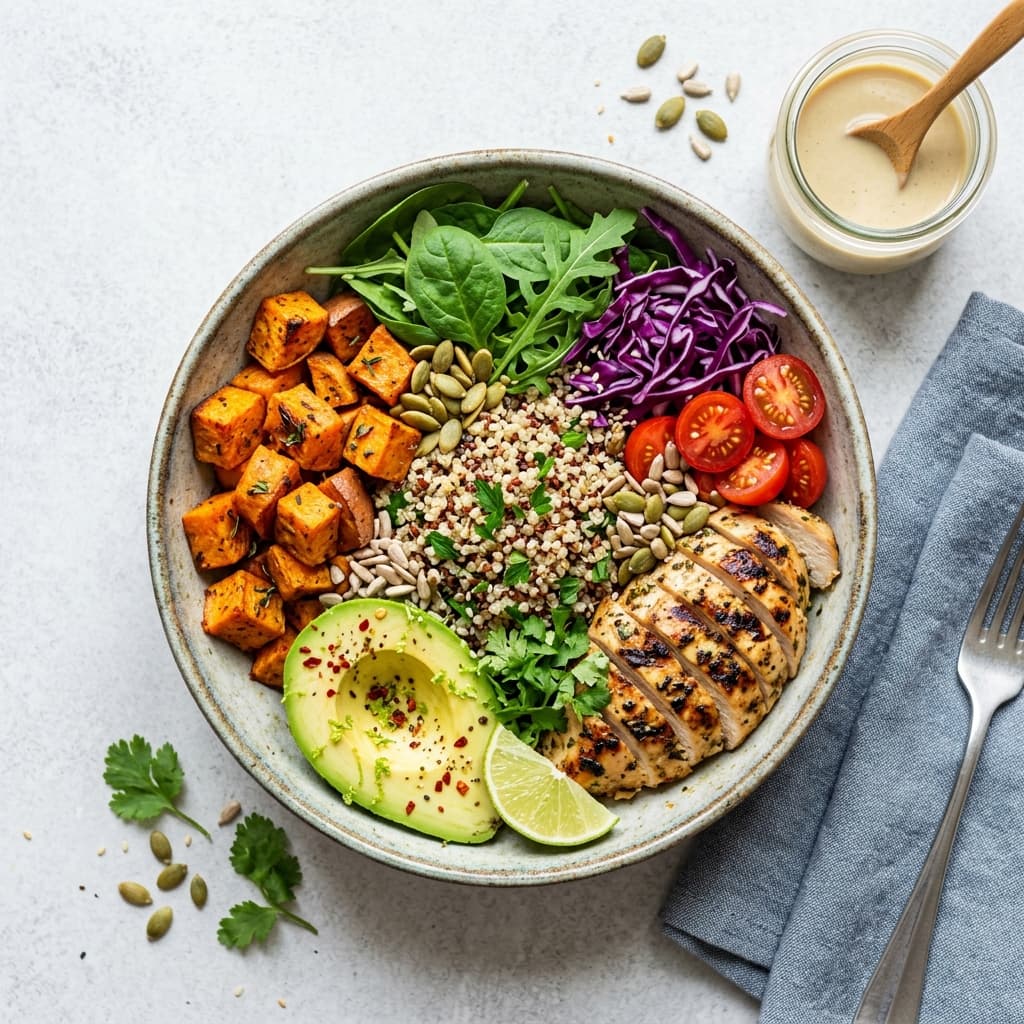
Base 80% of your daily nutrition on naturally gluten-free foods: lean proteins (chicken, fish, eggs, tofu), healthy fats (avocado, olive oil, nuts), vegetables, fruits, and fiber-rich grains like 🛒organic certified GF quinoaAmazon ↗ and brown rice.
2. Audit Labels for Hidden Sugars & Calorie Densities
Don't assume a product is healthy just because it says "Gluten-Free." Use the Check Gluten app to inspect ingredient labels for hidden high-GI starches, syrups, and excess fats.
3. Increase Soluble & Insoluble Dietary Fiber
Counteract rapid GF starch digestion by increasing fiber intake. Add chia seeds, ground flaxseed, psyllium husk, and legumes to your daily meals to slow gastric emptying and stabilize blood sugar.
4. Prioritize Resistance Training & Lean Muscle Mass
Combat unwanted fat accumulation by building active muscle tissue. Engage in 3 to 4 days of progressive resistance training (weightlifting, bodyweight exercises) weekly to boost basal metabolic rate (BMR).
5. Generate Balanced Meal Plans Effortlessly
Overwhelmed by meal prep? Use Check Gluten's free AI Recipe Maker to quickly create high-protein, nutrient-dense GF meals customized to your calorie and macro goals.
Frequently Asked Questions
Is weight gain after celiac diagnosis normal?
Yes, it is completely normal and healthy up to a point! It indicates that your intestinal villi have healed and your body is finally absorbing vital nutrients and calories that were previously lost to malabsorption.
How do I stop gaining weight on a gluten-free diet?
To stabilize your weight, reduce your intake of ultra-processed GF packaged goods (GF cookies, crackers, heavy GF breads) and replace them with naturally GF whole foods like sweet potatoes, quinoa, vegetables, and lean protein.
Why does gluten-free bread have more calories than regular bread?
Gluten-free bread requires dense starches (tapioca, potato, rice) and additional oils and egg powders to mimic the structural bounce of gluten. This increases caloric density by up to 50% per slice compared to wheat bread.
Can celiac disease cause weight loss instead?
Yes. Prior to diagnosis, severe villous atrophy often causes unintentional weight loss and muscle wasting. However, once a strict GF diet is established, most patients regain lost weight as gut absorption normalizes.
🔍 Not sure about a product?
Photograph any food label and the AI reads every ingredient, including the 500+ names gluten hides under. Free for 14 days.
Search Amazon for gluten-free health
Amazon search results · Look for a certified gluten-free seal on the label
Gluten-Free health on Amazon
RX Bars Variety Pack
Whole-food protein, no junk
KIND Protein Bars
12g protein, certified GF
Enjoy Life Snack Bars
Free from top 14 allergens
Celiac Safety Glossary
- Celiac disease
- Celiac disease is a serious autoimmune disorder in which ingesting gluten — a protein found in wheat, barley, and rye — triggers an immune response that damages the small intestine's villi, affecting approximately 1 in 100 people worldwide according to the Celiac Disease Foundation.
- Gluten
- Gluten is a family of storage proteins (prolamins and glutelins) found naturally in cereal grains like wheat (including varieties like spelt, kamut, and farro), barley, and rye, which acts as a binder to give food elasticity and shape.
- Cross-contamination
- Cross-contamination (or cross-contact) occurs when gluten-free food comes into contact with gluten-containing food or surfaces — such as shared cutting boards, toasters, fryers, or utensils — rendering otherwise safe food dangerous for people with celiac disease.
- Gluten-free certification
- Gluten-free certification, such as the GFCO (Gluten-Free Certification Organization) seal, verifies that a product contains fewer than 10 parts per million (ppm) of gluten — stricter than the FDA's 20 ppm threshold for "gluten-free" labeling.
- Parts Per Million (ppm)
- Parts per million (ppm) is a unit of measurement used to quantify gluten concentration. Labeling laws in the US and Europe permit a maximum threshold of 20 ppm, while Australia requires no detectable gluten (0 ppm).
- Avenin (Oats)
- Avenin is a protein found in oats that is structurally similar to gluten. While most celiacs can tolerate pure, uncontaminated oats, a small percentage of celiacs react to avenin itself.
- Malt (Barley)
- Malt is fermented barley used as a flavoring or sweetener in cereals, chocolates, and beer; it is a major source of hidden gluten that is often overlooked on ingredient lists.
📢 Found this helpful? Share it!
Stop Guessing. Start Scanning.
Every ingredient label has hidden gluten risks. Check Gluten's AI catches them all — in 3 seconds flat.
Camera + text input
& cross-contamination
$0 today • cancel anytime

The Essential Celiac Cookbook & Survival Bundle
Stop stressing over dinner and crumbling bread. 300+ comfort mains, 200 baking masterclass recipes, 4-week meal plans, and grocery checklists.
About This Article
Check Gluten
Written with AI assistance and checked against published sources — not by a doctor or dietitian. Confirm anything that matters with the label, the manufacturer, or your own healthcare provider.
How our content is checked →Medical Disclaimer: This article is for informational purposes only and is not a substitute for professional medical advice. Always consult your physician or a registered dietitian before making dietary changes related to celiac disease or gluten sensitivity. Read full disclaimer.
📚Sources & Citations
- •Celiac Disease Foundation — celiac.org — Comprehensive research and patient resources on celiac disease
- •Beyond Celiac — beyondceliac.org — Research-driven celiac disease advocacy and resources
- •GFCO (Gluten-Free Certification Organization) — gfco.org — Certification standards (<10 ppm)
- •FDA Gluten-Free Labeling — fda.gov — Federal regulations for <20 ppm labeling
Content reviewed and fact-checked by our clinical & nutrition team. Last updated July 2026.
Never Miss a Hidden Gluten Alert
Weekly tips on safe eating, hidden gluten warnings, and recipes — free, and one click to unsubscribe.
Related Articles
Celiac Disease and Weight: Why You Gained (or Lost) Weight After Diagnosis (2026)
Many people expect to lose weight on a gluten-free diet, but for celiacs, the opposite often happens. Here is the science behind "celiac weight gain," how villous atrophy affects your metabolism, and how to stabilize your weight during recovery.
Celiac Gut Healing: The 12 Best Foods to Repair Your Intestines After Diagnosis
Your doctor said "go gluten-free" but didn't mention the 12 foods that actually speed gut healing. After 18 months of research and working with a celiac-specialized dietitian, here's the recovery meal plan nobody gives you.
Is a Gluten-Free Diet Healthy? What Science Actually Says (2026)
Should you go gluten-free if you don't have celiac disease? We examine the science behind gluten-free diets, nutrient concerns, and who actually benefits.
How to Gain Weight on a Gluten-Free Diet: Complete Guide
Many newly diagnosed celiacs are underweight from malabsorption. Here's how to gain healthy weight on a GF diet with high-calorie foods and supplements.