Celiac Disease and Acid Reflux: Can Gluten Cause Heartburn and GERD?
This post may contain affiliate links. As an Amazon Associate, Check Gluten earns from qualifying purchases. Please read our disclosure policy.
Struggling with painful heartburn that antacids won't cure? Discover the strong link between celiac disease, gluten exposure, and chronic acid reflux (GERD).
Struggling with painful heartburn that antacids won't cure? Discover the strong link between celiac disease, gluten exposure, and chronic acid reflux (GERD).
Want to save this recipe?
Enter your email and we'll send it to you! Plus, get new recipes every week.
✓Key Takeaways
Can Celiac Disease Cause Acid Reflux? The Short Answer
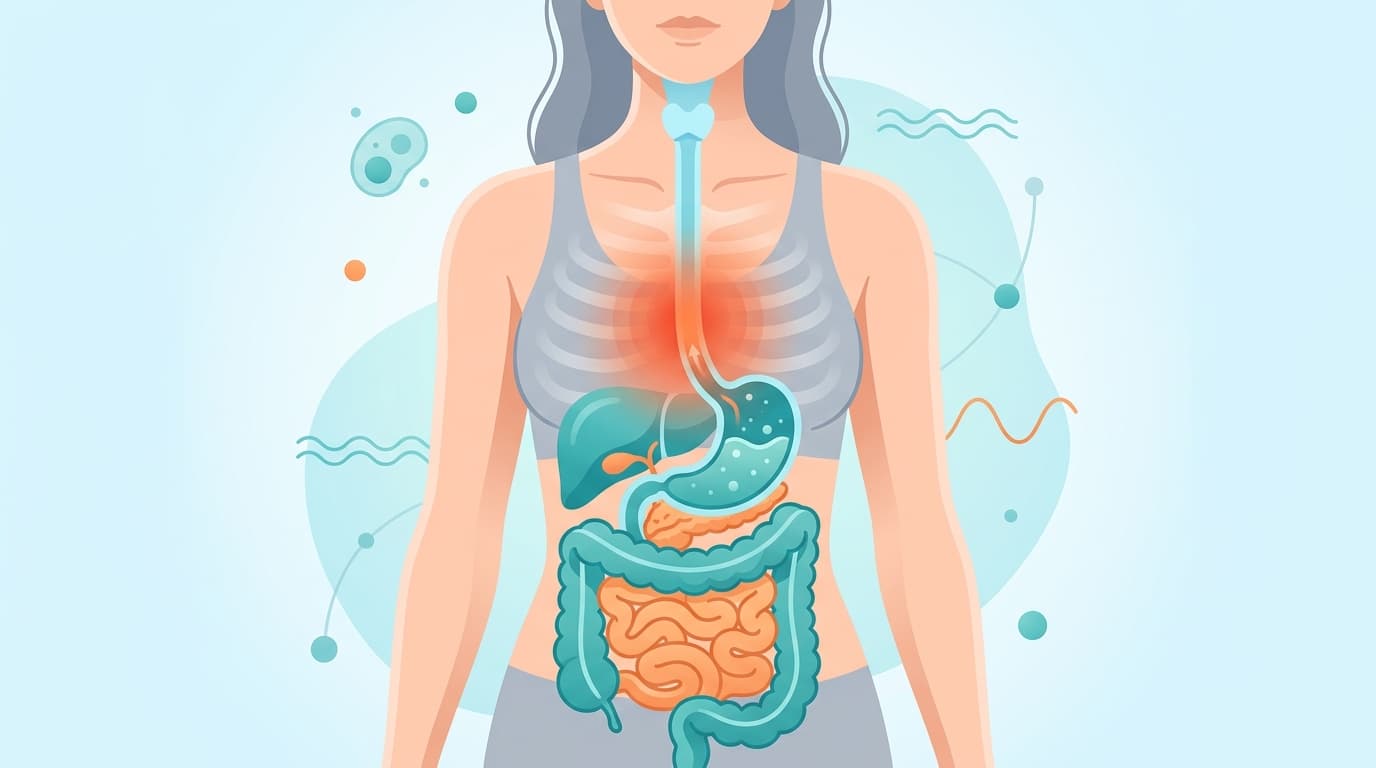
Yes, celiac disease is strongly associated with acid reflux and Gastroesophageal Reflux Disease (GERD). Chronic acid reflux is reported more often in celiac patients than in the general population. This painful heartburn is typically triggered by gluten-induced esophageal dysmotility (uncoordinated swallowing muscles), delayed gastric emptying (food staying in the stomach too long), and systemic inflammation that weakens the lower esophageal sphincter (LES), allowing stomach acid to splash upward into the throat.
The Fire in Your Chest: A Celiac Reflux Story
It is 2 AM, and you are sitting bolt upright in bed. A hot, sour taste fills the back of your throat, and your chest feels like it is on fire. You reach for the bottle of antacids on your nightstand, chewing two, then three, waiting desperately for the burning to subside.
You think to yourself, *"I didn't even eat anything spicy today. Why does my heartburn keep getting worse?"*
For years, you have blamed your acid reflux on stress, coffee, or eating too late. Your doctor prescribed proton pump inhibitors (PPIs), but they only provide temporary relief. You feel like you are constantly managing a fire in your esophagus, and you are exhausted from sleeping propped up on three pillows.
It isn't until you mention your chronic bloating and fatigue to a gastroenterologist that they suggest a celiac blood panel. To your shock, it comes back positive. Within three months of going strictly gluten-free, the fire in your chest disappears completely — without a single antacid.
This is the heartburn trap. Because acid reflux is so common, we rarely think of it as a symptom of an autoimmune disease. But when your gut is damaged by gluten, your entire upper digestive system suffers.
📩 Want more tips like this?
Join celiacs getting weekly gluten-free tips, recipes, and hidden gluten alerts.
No spam. Unsubscribe anytime.
Understanding Key Digestive Terms
To understand how celiac disease triggers reflux, you need to know these key terms:
* GERD (Gastroesophageal Reflux Disease): GERD is a chronic digestive disease in which stomach acid or bile flows back into the food pipe (esophagus), irritating the lining and causing heartburn and acid regurgitation.
* Lower Esophageal Sphincter (LES): The LES is a ring of muscle at the bottom of the esophagus that acts as a valve, opening to let food enter the stomach and closing to prevent acid from escaping upward.
* Delayed Gastric Emptying: A condition in which food remains in the stomach for an abnormally long time before moving into the small intestine, increasing pressure on the LES.
* SIBO (Small Intestinal Bacterial Overgrowth): An excessive amount of bacteria in the small intestine, often triggered by celiac damage, which produces gas that pushes acid up into the esophagus.
Search Amazon for gluten-free health
Amazon search results · Look for a certified gluten-free seal on the label
Gluten-Free health on Amazon

RX Bars Variety Pack
Whole-food protein, no junk
KIND Protein Bars
12g protein, certified GF
Enjoy Life Snack Bars
Free from top 14 allergens
How Celiac Disease Triggers Acid Reflux and GERD
When a celiac patient eats gluten, the resulting damage extends far beyond the small intestine. Here are the three primary mechanisms connecting celiac disease to acid reflux:
1. Esophageal Dysmotility and Swallowing Issues
Systemic inflammation from celiac disease can affect the nerves and muscles of the esophagus. This leads to uncoordinated contractions, making it harder for the esophagus to push food down and clear acid that splashes back up.
2. Lowered LES Pressure
The lower esophageal sphincter relies on healthy nerve signals and muscle tone to stay tightly closed. Chronic inflammation and nutritional deficiencies (such as magnesium deficiency, which is common in celiac patients) can weaken the LES, allowing acid to leak into the esophagus easily.
3. Increased Abdominal Pressure (SIBO & Gas)
Because celiac disease damages the villi, food is not digested properly. This undigested food ferments in the gut, feeding harmful bacteria and causing SIBO. The massive amounts of gas and bloating generated by this fermentation create upward pressure on the stomach, forcing the LES open and driving acid into the throat.
Reflux symptoms are common in people with celiac disease at diagnosis, and for many they ease once a strict gluten-free diet lets the gut heal.
🛒 Not sure if what you're holding is safe?
Point your phone at any ingredient label and get a clear safe / caution / unsafe answer in about three seconds — including the hidden gluten most labels bury.
How to Heal Your Reflux: A Celiac-Safe Protocol
If you are struggling with celiac-related GERD, use this targeted approach to soothe your esophagus and heal your gut:
FAQs
Can going gluten-free cure acid reflux?
Yes, for the vast majority of celiac patients and those with non-celiac gluten sensitivity, a strict gluten-free diet is a highly effective cure for acid reflux. As the intestinal lining heals and inflammation subses, stomach pressure decreases and the esophageal valve regains its strength.
Why does gluten cause heartburn?
Gluten triggers an autoimmune inflammatory response in celiacs, which slows down digestion (causing food to sit in the stomach longer) and generates gas and bloating. This build-up of pressure forces stomach acid back up through the lower esophageal sphincter, causing heartburn.
Are antacids safe for celiac disease?
Many over-the-counter antacids and prescription reflux medications contain gluten as a binding agent or filler. Always verify that your medication is gluten-free before taking it. Check our list of gluten-free medications and pills for safe options.
What is the best natural remedy for celiac acid reflux?
The best natural remedies are chewable DGL tablets before meals to coat the esophagus, warm ginger tea to speed up stomach emptying, and high-quality probiotics to reduce SIBO-related gas. For a safe supplement option, choose a 🛒certified gluten-free probioticAmazon ↗.
🔍 Not sure about a product?
Photograph any food label and the AI reads every ingredient, including the 500+ names gluten hides under. Free for 14 days.
Search Amazon for gluten-free health
Amazon search results · Look for a certified gluten-free seal on the label
Gluten-Free health on Amazon
RX Bars Variety Pack
Whole-food protein, no junk
KIND Protein Bars
12g protein, certified GF
Enjoy Life Snack Bars
Free from top 14 allergens
Celiac Safety Glossary
- Celiac disease
- Celiac disease is a serious autoimmune disorder in which ingesting gluten — a protein found in wheat, barley, and rye — triggers an immune response that damages the small intestine's villi, affecting approximately 1 in 100 people worldwide according to the Celiac Disease Foundation.
- Gluten
- Gluten is a family of storage proteins (prolamins and glutelins) found naturally in cereal grains like wheat (including varieties like spelt, kamut, and farro), barley, and rye, which acts as a binder to give food elasticity and shape.
- Cross-contamination
- Cross-contamination (or cross-contact) occurs when gluten-free food comes into contact with gluten-containing food or surfaces — such as shared cutting boards, toasters, fryers, or utensils — rendering otherwise safe food dangerous for people with celiac disease.
- Gluten-free certification
- Gluten-free certification, such as the GFCO (Gluten-Free Certification Organization) seal, verifies that a product contains fewer than 10 parts per million (ppm) of gluten — stricter than the FDA's 20 ppm threshold for "gluten-free" labeling.
📢 Found this helpful? Share it!
Stop Guessing. Start Scanning.
Every ingredient label has hidden gluten risks. Check Gluten's AI catches them all — in 3 seconds flat.
Camera + text input
& cross-contamination
$0 today • cancel anytime

The Essential Celiac Cookbook & Survival Bundle
Stop stressing over dinner and crumbling bread. 300+ comfort mains, 200 baking masterclass recipes, 4-week meal plans, and grocery checklists.
About This Article
Check Gluten
Written with AI assistance and checked against published sources — not by a doctor or dietitian. Confirm anything that matters with the label, the manufacturer, or your own healthcare provider.
How our content is checked →Medical Disclaimer: This article is for informational purposes only and is not a substitute for professional medical advice. Always consult your physician or a registered dietitian before making dietary changes related to celiac disease or gluten sensitivity. Read full disclaimer.
📚Sources & Citations
- •Celiac Disease Foundation — celiac.org — Comprehensive research and patient resources on celiac disease
- •Beyond Celiac — beyondceliac.org — Research-driven celiac disease advocacy and resources
- •GFCO (Gluten-Free Certification Organization) — gfco.org — Certification standards (<10 ppm)
- •FDA Gluten-Free Labeling — fda.gov — Federal regulations for <20 ppm labeling
Content reviewed and fact-checked by our clinical & nutrition team. Last updated July 2026.
Never Miss a Hidden Gluten Alert
Weekly tips on safe eating, hidden gluten warnings, and recipes — free, and one click to unsubscribe.
Related Articles
Celiac Disease and Migraines: How Gluten Triggers Chronic Headaches
Living with debilitating migraines that medication won't touch? Discover the neurological link between celiac disease, gluten exposure, and chronic headaches.
Celiac Disease and Fatigue: Why You're Still Tired on a Gluten-Free Diet
Strictly gluten-free but still completely exhausted? Learn why celiac disease causes chronic fatigue, how long gut healing takes, and the exact steps to reclaim your energy.
What Happens If a Celiac Eats Gluten? Symptoms & Recovery
Accidentally ate gluten with celiac disease? Here's what happens in your body, symptoms to expect, recovery timeline, and how to feel better faster.
What to Do Immediately After You Get "Glutened" (A Celiac Recovery Plan)
Accidents happen. When you ingest hidden gluten, your body goes to war. Here is a practical, comforting recovery protocol to get you through the physical and emotional crash.