Is Your Medication Gluten-Free? Hidden Gluten in Pills, Vitamins & Supplements
This post may contain affiliate links. As an Amazon Associate, Check Gluten earns from qualifying purchases. Please read our disclosure policy.
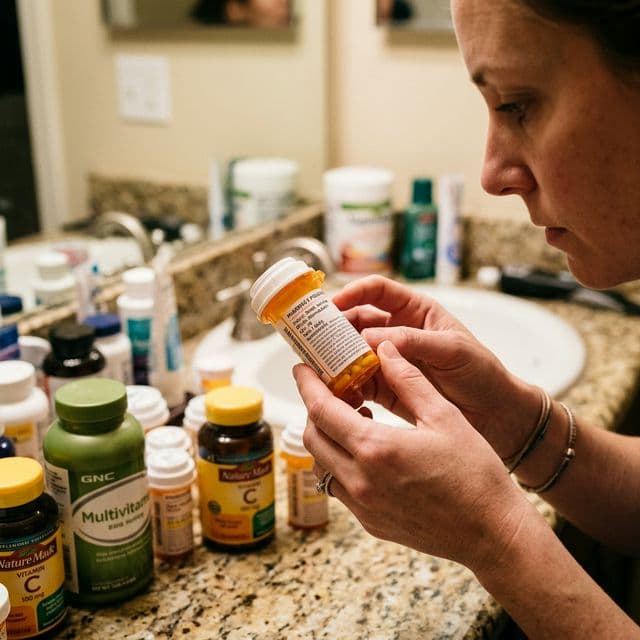
You ditched the bread, swapped your shampoo, and scrub your kitchen like a crime scene—but have you checked your medication? Gluten hides in pills more than you think.
You ditched the bread, swapped your shampoo, and scrub your kitchen like a crime scene—but have you checked your medication? Gluten hides in pills more than you think.
Want to save this recipe?
Enter your email and we'll send it to you! Plus, get new recipes every week.
✓Key Takeaways
The Hidden Gluten Source Nobody Warns You About
You've been gluten-free for months. You've overhauled your entire kitchen. You read every single food label like a detective. Yet you're *still* getting symptoms—bloating, brain fog, fatigue. You're doing everything right... so what gives?
Have you checked your medicine cabinet?
Here's the uncomfortable truth: many prescription medications, over-the-counter drugs, vitamins, and supplements contain gluten. Wheat starch is one of the most common inactive ingredients (called "excipients") used by pharmaceutical companies. It's cheap, it binds pills together, and it's in more products than you'd ever guess.
And here's the worst part: the FDA does not require medications to be labeled gluten-free. Unlike food, there is no regulation mandating pharmaceutical companies to disclose gluten content on the bottle. You are completely on your own.
Why Is Wheat Starch in Medication?
Pharmaceutical companies use inactive ingredients to hold pills together, control how quickly they dissolve, and make them easier to swallow. These inactive ingredients include:
The amount of gluten in a single pill may be tiny, but if you're taking daily medication, those tiny amounts add up. For someone with celiac disease, even trace amounts can cause intestinal damage whether or not you feel immediate symptoms.
📩 Want more tips like this?
Join celiacs getting weekly gluten-free tips, recipes, and hidden gluten alerts.
No spam. Unsubscribe anytime.
Which Common Medications May Contain Gluten?
While formulations change, these categories of medication have historically included wheat starch in some products:
Over-the-Counter (OTC)
Prescription
Important: Brand-name and generic versions of the *same* drug often use *different* inactive ingredients. Just because the brand-name version is GF doesn't mean your pharmacy's generic substitute is.
Find Gluten-Free Health on Amazon
Compare prices & read celiac reviews
Top Gluten-Free Picks
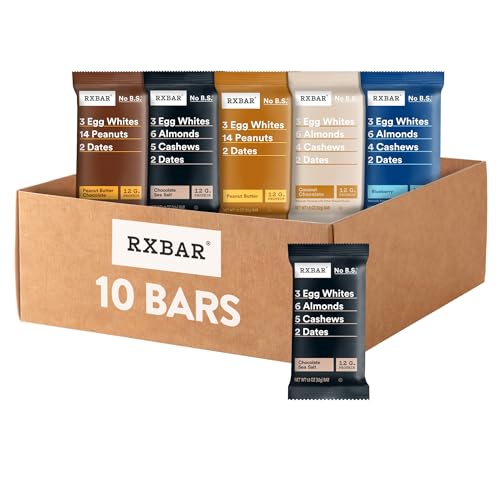
RX Bars Variety Pack
★★★★★ 4.8Whole-food protein, no junk

KIND Protein Bars
★★★★★ 4.812g protein, certified GF

Enjoy Life Snack Bars
★★★★★ 4.8Free from top 14 allergens
As an Amazon Associate, we earn from qualifying purchases at no extra cost to you. Prices and availability are accurate as of the time of listing.
How to Check If Your Medication Is Gluten-Free
Step 1: Read the Inactive Ingredients List
Every medication has an "inactive ingredients" section on the label or package insert. Look for: wheat starch, pregelatinized starch (if source not specified), dextrin, maltodextrin, or any wheat-derived ingredient.
Step 2: Use the DailyMed Database
The NIH maintains a free online database at dailymed.nlm.nih.gov where you can search any medication by name and see its complete ingredient list, including inactive ingredients. Search your exact medication + dosage.
Step 3: Call the Manufacturer Directly
If you can't determine the starch source from the label, call the manufacturer's customer service line. Ask specifically: *"Is the starch in this product derived from wheat?"* Get the answer in writing (email) if possible.
Step 4: Ask Your Pharmacist
Your pharmacist can look up the inactive ingredients of your specific generic brand and, in some cases, order a different manufacturer's version if yours contains wheat.
Step 5: Scan With Check Gluten
Take a photo of the medication label or type in the medication name in the Check Gluten App and let the AI cross-reference the ingredient list for any gluten-containing or gluten-suspect ingredients.
🍞 Tired of GF food that tastes like cardboard?
These are the gluten-free flours, pastas and snacks our readers rely on — the ones that actually taste good.
Gluten-Free Medication Alternatives
Vitamins & Supplements
Stick with brands that specifically label their products gluten-free and are GMP-certified:
OTC Pain Relievers
The Benefiber Trap
This deserves its own section because it catches so many celiacs. Benefiber's main ingredient is wheat dextrin. Despite being marketed as a digestive health supplement, it contains gluten and is NOT safe for celiacs. Many doctors unknowingly recommend it to patients with celiac-related digestive issues.
Safe fiber alternatives:
What to Do If You've Been Taking Gluten-Containing Medication
Don't panic. Here's what to do:
FAQs
Q: Are all "natural" or "organic" supplements gluten-free?
A: Absolutely not. "Natural" and "organic" have nothing to do with gluten content. Always check the label or call the manufacturer.
Q: My doctor said the amount of gluten in pills is too small to matter. Is that true?
A: For people with celiac disease, there is no established "safe" threshold for daily cumulative exposure. The Codex Alimentarius standard of <20 ppm applies to food, not medications. Some experts believe even small daily amounts can prevent intestinal healing. Trust your body—if you're still symptomatic, your medication is worth investigating.
Q: Are compounding pharmacies a good option?
A: Yes! Compounding pharmacies can custom-make your medication without wheat-based fillers. Ask your doctor for a compounding prescription if no commercial GF version exists.
Take Control of Your Full Health Picture
Going gluten-free isn't just about food. It's about everything that enters your body—including the pills you take every single day.
Start by auditing your medicine cabinet tonight. Use the Check Gluten App to scan each product, and don't hesitate to call manufacturers. Your gut health is worth the phone call.
For more on hidden gluten sources, read our guide on 10 Hidden Sources of Gluten You Didn't Know About.
🔍 Not sure about a product?
Check any food label instantly with our free AI gluten scanner — detects 500+ hidden gluten sources in 3 seconds.
Find Gluten-Free Health on Amazon
Compare prices & read celiac reviews
Top Gluten-Free Picks
RX Bars Variety Pack
★★★★★ 4.8Whole-food protein, no junk
KIND Protein Bars
★★★★★ 4.812g protein, certified GF
Enjoy Life Snack Bars
★★★★★ 4.8Free from top 14 allergens
As an Amazon Associate, we earn from qualifying purchases at no extra cost to you. Prices and availability are accurate as of the time of listing.
Celiac Safety Glossary
- Celiac disease
- Celiac disease is a serious autoimmune disorder in which ingesting gluten — a protein found in wheat, barley, and rye — triggers an immune response that damages the small intestine's villi, affecting approximately 1 in 100 people worldwide according to the Celiac Disease Foundation.
- Gluten
- Gluten is a family of storage proteins (prolamins and glutelins) found naturally in cereal grains like wheat (including varieties like spelt, kamut, and farro), barley, and rye, which acts as a binder to give food elasticity and shape.
- Gluten-free certification
- Gluten-free certification, such as the GFCO (Gluten-Free Certification Organization) seal, verifies that a product contains fewer than 10 parts per million (ppm) of gluten — stricter than the FDA's 20 ppm threshold for "gluten-free" labeling.
- Parts Per Million (ppm)
- Parts per million (ppm) is a unit of measurement used to quantify gluten concentration. Labeling laws in the US and Europe permit a maximum threshold of 20 ppm, while Australia requires no detectable gluten (0 ppm).
- Wheat starch
- Wheat starch is wheat flour that has had the gluten protein washed out. While some European gluten-free foods use codex-grade wheat starch (tested below 20 ppm), it can still trigger reactions in sensitive individuals.
📢 Found this helpful? Share it!
Stop Guessing. Start Scanning.
Every ingredient label has hidden gluten risks. Check Gluten's AI catches them all — in 3 seconds flat.
Camera + text input
& cross-contamination
$0 today • cancel anytime
The Celiac Kitchen Starter Kit
Stop stressing over cross-contamination and what to make for dinner. These are the gluten-free flours, pastas, snacks and tools our readers actually keep in their kitchens.
pastas & baking staples
cross-contamination tools
Real prices & reviews • Updated weekly
About the Author
Sarah Mitchell
Lead Content Writer & Nutritionist, B.S. Nutrition Science
Sarah was diagnosed with celiac disease in 2018 and writes evidence-based guides combining clinical nutrition knowledge with 6+ years of personal gluten-free living experience. All health content is medically reviewed by our advisory team.
Meet our full team →Medical Disclaimer: This article is for informational purposes only and is not a substitute for professional medical advice. Always consult your physician or a registered dietitian before making dietary changes related to celiac disease or gluten sensitivity. Read full disclaimer.
📚Sources & Citations
- •Celiac Disease Foundation — celiac.org — Comprehensive research and patient resources on celiac disease
- •Beyond Celiac — beyondceliac.org — Research-driven celiac disease advocacy and resources
- •GFCO (Gluten-Free Certification Organization) — gfco.org — Certification standards (<10 ppm)
- •FDA Gluten-Free Labeling — fda.gov — Federal regulations for <20 ppm labeling
- •Check Gluten Community — 41,000+ celiacs — First-party data from community feedback and AI label scans
Content reviewed and fact-checked by our clinical & nutrition team. Last updated July 2026.
Never Miss a Hidden Gluten Alert
Join 4,200+ celiacs getting weekly tips on safe eating, hidden gluten warnings, and exclusive recipes.
Related Articles
Celiac Disease and Weight Gain: Why You're Gaining Weight on a Gluten-Free Diet
Gaining unexpected weight after starting a gluten-free diet? Discover why healing gut villi absorb more calories, the trap of processed GF foods, and how to maintain a healthy weight.
Celiac Disease and Joint Pain: Can Gluten Cause Arthritis and Systemic Inflammation?
Experiencing aching knees, swollen fingers, or unexplained joint stiffness? Learn how celiac disease causes inflammatory joint pain, its link to arthritis, and how to heal naturally.
Celiac Disease and Liver Problems: What Your Doctor Might Miss
Can celiac disease cause liver problems? Elevated liver enzymes, autoimmune hepatitis, and how a GF diet may reverse the damage.
Celiac Disease and Thyroid Problems: Hashimoto's and Graves' Connection
Celiac disease and thyroid disorders are closely linked. How Hashimoto's and celiac co-occur, and why a GF diet may help thyroid function.