Celiac Disease and Anxiety: Why Your Gut Is Making You Anxious
This post may contain affiliate links. As an Amazon Associate, Check Gluten earns from qualifying purchases. Please read our disclosure policy.
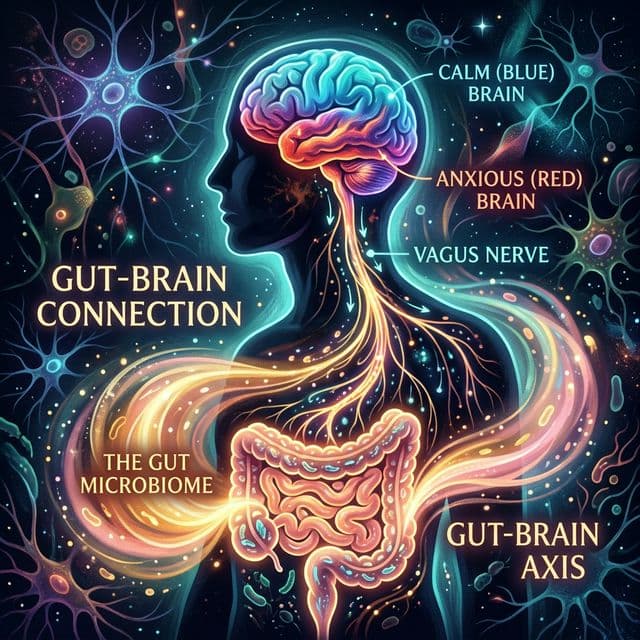
If you were diagnosed with celiac disease AND you struggle with anxiety, it is not a coincidence. The gut-brain axis is real, and your damaged intestines are sending panic signals to your brain.
If you were diagnosed with celiac disease AND you struggle with anxiety, it is not a coincidence. The gut-brain axis is real, and your damaged intestines are sending panic signals to your brain.
Want to save this recipe?
Enter your email and we'll send it to you! Plus, get new recipes every week.
✓Key Takeaways
"I Thought I Was Going Crazy."
You probably said this before your celiac diagnosis. Maybe you still say it.
The anxiety came first — or maybe the stomach problems came first — you can't even remember anymore. All you know is that your brain races, your heart pounds, and you feel a constant low-level dread that something is wrong. Doctors told you to see a therapist. The therapist said to try meditation. The meditation didn't help because your gut was screaming too loud.
Here's what nobody told you: celiac disease and anxiety are biologically connected. This is not in your head. Your damaged gut is literally sending panic signals to your brain through the vagus nerve.
---
The Science: Your Gut Is Your "Second Brain"
Your gastrointestinal tract contains 500 million neurons — more neural connections than your spinal cord. It produces 95% of your body's serotonin, the neurotransmitter that regulates mood, calm, and happiness.
When celiac disease damages your intestinal lining:
The result? Your brain is flooded with inflammatory cytokines, starved of serotonin, depleted of critical nutrients, and poisoned by bacterial toxins — all at the same time.
Of course you feel anxious. Your body is screaming for help.
---
📩 Want more tips like this?
Join celiacs getting weekly gluten-free tips, recipes, and hidden gluten alerts.
No spam. Unsubscribe anytime.
What the Research Shows
---
Find Gluten-Free Health on Amazon
Compare prices & read celiac reviews
Top Gluten-Free Picks
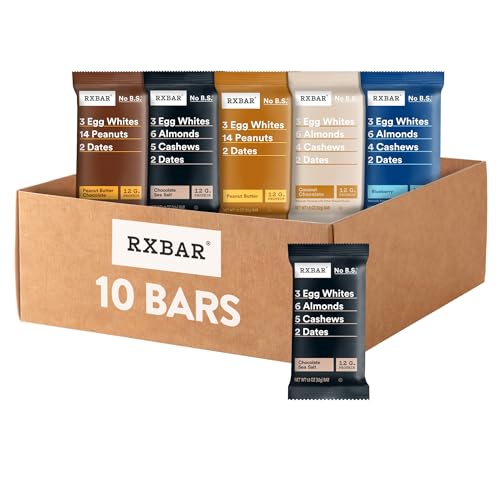
RX Bars Variety Pack
★★★★★ 4.8Whole-food protein, no junk

KIND Protein Bars
★★★★★ 4.812g protein, certified GF

Enjoy Life Snack Bars
★★★★★ 4.8Free from top 14 allergens
As an Amazon Associate, we earn from qualifying purchases at no extra cost to you. Prices and availability are accurate as of the time of listing.
5 Evidence-Based Steps to Break the Cycle
1. Go 100% Gluten-Free — Zero Exceptions
Every trace of gluten restarts the inflammatory cascade in your gut. Even "a little bit" of cross-contamination damages your intestinal lining and disrupts serotonin production. There is no "mostly" gluten-free for healing anxiety.
Use Check Gluten to scan every product, every ingredient list, every time. Your mental health depends on strict adherence.
2. Take a High-Quality Probiotic
Repopulating your gut with healthy bacteria directly improves the gut-brain axis. Look for strains specifically studied for mood: Lactobacillus rhamnosus, Bifidobacterium longum, and Lactobacillus helveticus.
🛒 Garden of Life Dr. Formulated Probiotics on Amazon — 50 billion CFU, shelf-stable, GF certified
3. Supplement Magnesium (The "Calm Mineral")
Magnesium deficiency is extremely common in celiac disease because damaged intestines can't absorb it properly. It's called "the calm mineral" because it directly reduces muscle tension, racing thoughts, and cortisol levels.
🛒 Natural Vitality Calm Magnesium Powder on Amazon — GF, vegan, dissolves in water
4. Try L-Theanine for Acute Anxiety
L-Theanine is an amino acid found in green tea that crosses the blood-brain barrier and increases alpha brain waves — the same brainwaves present during meditation. It calms anxiety within 30-60 minutes without drowsiness.
🛒 NOW Foods L-Theanine 200mg on Amazon — 60 capsules, GF, no artificial ingredients
5. Consider Ashwagandha for Chronic Stress
Ashwagandha is an adaptogenic herb that has been shown in multiple clinical trials to reduce cortisol levels by 23-30%. For celiacs dealing with chronic low-grade inflammation, this cortisol reduction can be transformative.
🛒 Organic India Ashwagandha on Amazon — 180 capsules, certified organic, GF
---
🍞 Tired of GF food that tastes like cardboard?
These are the gluten-free flours, pastas and snacks our readers rely on — the ones that actually taste good.
You Are Not Broken
If you're a celiac who struggles with anxiety, know this: your anxiety is a symptom of a physical disease, not a character flaw. Your gut is injured, and your brain is responding to the injury.
Healing takes time. A strict GF diet, gut-healing supplements, and patience. Most celiacs report significant anxiety improvement after 6-18 months of strict adherence.
You are not crazy. You are not weak. You are healing.
→ Start Free 14-Day Trial of Check Gluten
🔍 Not sure about a product?
Check any food label instantly with our free AI gluten scanner — detects 500+ hidden gluten sources in 3 seconds.
Find Gluten-Free Health on Amazon
Compare prices & read celiac reviews
Top Gluten-Free Picks
RX Bars Variety Pack
★★★★★ 4.8Whole-food protein, no junk
KIND Protein Bars
★★★★★ 4.812g protein, certified GF
Enjoy Life Snack Bars
★★★★★ 4.8Free from top 14 allergens
As an Amazon Associate, we earn from qualifying purchases at no extra cost to you. Prices and availability are accurate as of the time of listing.
Celiac Safety Glossary
- Celiac disease
- Celiac disease is a serious autoimmune disorder in which ingesting gluten — a protein found in wheat, barley, and rye — triggers an immune response that damages the small intestine's villi, affecting approximately 1 in 100 people worldwide according to the Celiac Disease Foundation.
- Gluten
- Gluten is a family of storage proteins (prolamins and glutelins) found naturally in cereal grains like wheat (including varieties like spelt, kamut, and farro), barley, and rye, which acts as a binder to give food elasticity and shape.
- Cross-contamination
- Cross-contamination (or cross-contact) occurs when gluten-free food comes into contact with gluten-containing food or surfaces — such as shared cutting boards, toasters, fryers, or utensils — rendering otherwise safe food dangerous for people with celiac disease.
- Gluten-free certification
- Gluten-free certification, such as the GFCO (Gluten-Free Certification Organization) seal, verifies that a product contains fewer than 10 parts per million (ppm) of gluten — stricter than the FDA's 20 ppm threshold for "gluten-free" labeling.
📢 Found this helpful? Share it!
Stop Guessing. Start Scanning.
Every ingredient label has hidden gluten risks. Check Gluten's AI catches them all — in 3 seconds flat.
Camera + text input
& cross-contamination
$0 today • cancel anytime
The Celiac Kitchen Starter Kit
Stop stressing over cross-contamination and what to make for dinner. These are the gluten-free flours, pastas, snacks and tools our readers actually keep in their kitchens.
pastas & baking staples
cross-contamination tools
Real prices & reviews • Updated weekly
About the Author
Sarah Mitchell
Lead Content Writer & Nutritionist, B.S. Nutrition Science
Sarah was diagnosed with celiac disease in 2018 and writes evidence-based guides combining clinical nutrition knowledge with 6+ years of personal gluten-free living experience. All health content is medically reviewed by our advisory team.
Meet our full team →Medical Disclaimer: This article is for informational purposes only and is not a substitute for professional medical advice. Always consult your physician or a registered dietitian before making dietary changes related to celiac disease or gluten sensitivity. Read full disclaimer.
📚Sources & Citations
- •Celiac Disease Foundation — celiac.org — Comprehensive research and patient resources on celiac disease
- •Beyond Celiac — beyondceliac.org — Research-driven celiac disease advocacy and resources
- •GFCO (Gluten-Free Certification Organization) — gfco.org — Certification standards (<10 ppm)
- •FDA Gluten-Free Labeling — fda.gov — Federal regulations for <20 ppm labeling
- •Check Gluten Community — 41,000+ celiacs — First-party data from community feedback and AI label scans
Content reviewed and fact-checked by our clinical & nutrition team. Last updated July 2026.
Never Miss a Hidden Gluten Alert
Join 4,200+ celiacs getting weekly tips on safe eating, hidden gluten warnings, and exclusive recipes.
Related Articles
Celiac Disease and Weight Gain: Why You're Gaining Weight on a Gluten-Free Diet
Gaining unexpected weight after starting a gluten-free diet? Discover why healing gut villi absorb more calories, the trap of processed GF foods, and how to maintain a healthy weight.
Celiac Disease and Joint Pain: Can Gluten Cause Arthritis and Systemic Inflammation?
Experiencing aching knees, swollen fingers, or unexplained joint stiffness? Learn how celiac disease causes inflammatory joint pain, its link to arthritis, and how to heal naturally.
Celiac Disease and Liver Problems: What Your Doctor Might Miss
Can celiac disease cause liver problems? Elevated liver enzymes, autoimmune hepatitis, and how a GF diet may reverse the damage.
Celiac Disease and Thyroid Problems: Hashimoto's and Graves' Connection
Celiac disease and thyroid disorders are closely linked. How Hashimoto's and celiac co-occur, and why a GF diet may help thyroid function.