Celiac Disease & Your Teeth: Enamel Defects, Canker Sores, and Signs Your Dentist Should Catch (2026)
This post may contain affiliate links. As an Amazon Associate, Check Gluten earns from qualifying purchases. Please read our disclosure policy.
My dentist noticed the damage before my GI doctor did. Pitting, discoloration, and grooves on my permanent teeth that no amount of brushing could fix. Turns out, my mouth was screaming "celiac" for 15 years before anyone listened.
My dentist noticed the damage before my GI doctor did. Pitting, discoloration, and grooves on my permanent teeth that no amount of brushing could fix. Turns out, my mouth was screaming "celiac" for 15 years before anyone listened.

Want to save this recipe?
Enter your email and we'll send it to you! Plus, get new recipes every week.
✓Key Takeaways
My Dentist Diagnosed My Celiac Disease
Not my GI doctor. Not my primary care physician. My dentist.
I was 28 years old, sitting in the dental chair for a routine cleaning, when my new dentist paused mid-exam and said: "Have you ever been tested for celiac disease?"
I stared at her. "No. Why?"
She showed me photos of my teeth. Horizontal grooves across my front teeth. Symmetrical pitting on my molars. A yellowish-brown discoloration that wasn't from coffee or poor hygiene — it was baked into the enamel itself, from the inside out.
"These are classic celiac enamel defects," she said. "They form during childhood when permanent teeth are developing. If the body can't absorb calcium and other minerals because of intestinal damage, the teeth develop abnormally. And they can't be fixed — the damage is permanent."
She was right. My tTG-IgA came back at 98 (normal is under 4). Biopsy confirmed Marsh 3b villous atrophy. I'd had celiac disease my entire life, and my teeth were the evidence.
Dental Signs of Celiac Disease
1. Enamel Defects (Dental Enamel Hypoplasia)
This is the most well-documented oral manifestation of celiac disease. Studies show that up to 83% of celiac patients have some form of dental enamel defect, compared to about 30% of the general population.
The defects include:
Key characteristics:
Why it happens: During tooth development (roughly ages 0-7 for permanent teeth), the body needs adequate calcium, phosphorus, vitamin D, and vitamin A to build proper enamel. Active celiac disease causes malabsorption of all of these minerals. The result is enamel that never formed correctly — and unlike bone, enamel cannot regenerate or repair itself.
2. Recurrent Aphthous Stomatitis (Canker Sores)
If you get canker sores constantly — multiple times per month, often in clusters — celiac disease may be the cause.
Studies show that up to 41% of celiac patients experience recurrent canker sores, compared to about 20% of the general population. The mechanism involves:
The good news: Unlike enamel defects, canker sores typically resolve on a strict GF diet once nutrient levels normalize. Many celiac patients report dramatic improvement within 3-6 months of going gluten-free.
For immediate relief, try 🛒 canker sore patches or 🛒 SLS-free toothpaste (sodium lauryl sulfate in regular toothpaste can worsen canker sores).
3. Delayed Tooth Eruption
Children with undiagnosed celiac disease may experience delayed eruption of permanent teeth. If your child's teeth are coming in significantly later than expected, mention celiac disease to both your pediatric dentist and pediatrician.
4. Dry Mouth (Xerostomia)
Some celiac patients experience chronic dry mouth, which increases cavity risk. Celiac can co-occur with Sjögren's syndrome (an autoimmune condition that attacks moisture-producing glands). If you have dry eyes AND dry mouth alongside celiac, ask about Sjögren's testing.
📩 Want more tips like this?
Join celiacs getting weekly gluten-free tips, recipes, and hidden gluten alerts.
No spam. Unsubscribe anytime.
What Your Dentist Should Know
Unfortunately, most dental schools spend minimal time on celiac disease. Here's what to tell your dentist:
If your dentist notices symmetric enamel defects, especially on incisors and first molars, they should recommend celiac blood testing (tTG-IgA).
Find Gluten-Free Health on Amazon
Compare prices & read celiac reviews
Top Gluten-Free Picks
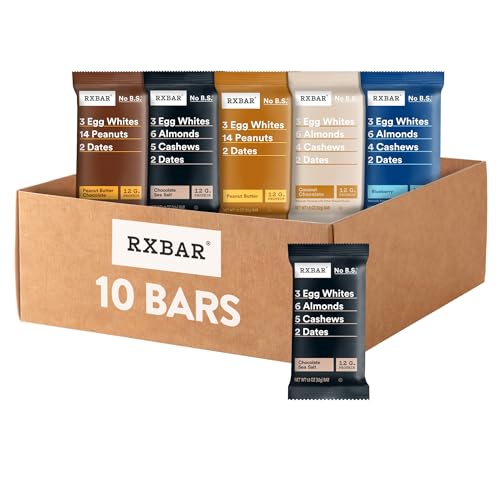
RX Bars Variety Pack
★★★★★ 4.8Whole-food protein, no junk

KIND Protein Bars
★★★★★ 4.812g protein, certified GF

Enjoy Life Snack Bars
★★★★★ 4.8Free from top 14 allergens
As an Amazon Associate, we earn from qualifying purchases at no extra cost to you. Prices and availability are accurate as of the time of listing.
Treatment for Celiac Dental Problems
For Enamel Defects (Permanent Damage)
Since enamel can't regenerate, treatment focuses on protection and cosmetics:
For Canker Sores
For Dry Mouth
🍞 Tired of GF food that tastes like cardboard?
These are the gluten-free flours, pastas and snacks our readers rely on — the ones that actually taste good.
Is Your Toothpaste Gluten-Free?
Most major toothpaste brands are gluten-free, but it's worth checking. While you spit out toothpaste rather than swallow it, small amounts are inevitably ingested — especially by children.
Confirmed GF toothpaste brands:
Check carefully:
Use Check Gluten to scan any oral care product label.
FAQ
Can going GF fix my enamel defects?
No. Enamel damage from childhood is permanent. A GF diet prevents further damage to developing teeth (important for children) and resolves soft tissue issues like canker sores, but existing enamel defects require dental treatment.
Should I get my kids' teeth checked for celiac signs?
Yes, especially if celiac runs in your family. Pediatric dentists can identify enamel defects early, potentially leading to faster celiac diagnosis before significant intestinal damage occurs.
Do braces cause more problems for celiacs?
Not directly, but celiacs with weakened enamel may need extra monitoring during orthodontic treatment. Inform your orthodontist about your celiac diagnosis.
Are dental products (crowns, fillings) gluten-free?
Modern dental materials are gluten-free. Some older formulations of dental cement and impression materials may have contained wheat starch, but this is extremely rare today. Ask your dentist if you're concerned.
Check Gluten — protecting your gut protects your teeth. Scan everything.
🔍 Not sure about a product?
Check any food label instantly with our free AI gluten scanner — detects 500+ hidden gluten sources in 3 seconds.
Find Gluten-Free Health on Amazon
Compare prices & read celiac reviews
Top Gluten-Free Picks
RX Bars Variety Pack
★★★★★ 4.8Whole-food protein, no junk
KIND Protein Bars
★★★★★ 4.812g protein, certified GF
Enjoy Life Snack Bars
★★★★★ 4.8Free from top 14 allergens
As an Amazon Associate, we earn from qualifying purchases at no extra cost to you. Prices and availability are accurate as of the time of listing.
Celiac Safety Glossary
- Celiac disease
- Celiac disease is a serious autoimmune disorder in which ingesting gluten — a protein found in wheat, barley, and rye — triggers an immune response that damages the small intestine's villi, affecting approximately 1 in 100 people worldwide according to the Celiac Disease Foundation.
- Gluten
- Gluten is a family of storage proteins (prolamins and glutelins) found naturally in cereal grains like wheat (including varieties like spelt, kamut, and farro), barley, and rye, which acts as a binder to give food elasticity and shape.
- Wheat starch
- Wheat starch is wheat flour that has had the gluten protein washed out. While some European gluten-free foods use codex-grade wheat starch (tested below 20 ppm), it can still trigger reactions in sensitive individuals.
📢 Found this helpful? Share it!
Stop Guessing. Start Scanning.
Every ingredient label has hidden gluten risks. Check Gluten's AI catches them all — in 3 seconds flat.
Camera + text input
& cross-contamination
$0 today • cancel anytime
The Celiac Kitchen Starter Kit
Stop stressing over cross-contamination and what to make for dinner. These are the gluten-free flours, pastas, snacks and tools our readers actually keep in their kitchens.
pastas & baking staples
cross-contamination tools
Real prices & reviews • Updated weekly
About the Author
Sarah Mitchell
Lead Content Writer & Nutritionist, B.S. Nutrition Science
Sarah was diagnosed with celiac disease in 2018 and writes evidence-based guides combining clinical nutrition knowledge with 6+ years of personal gluten-free living experience. All health content is medically reviewed by our advisory team.
Meet our full team →Medical Disclaimer: This article is for informational purposes only and is not a substitute for professional medical advice. Always consult your physician or a registered dietitian before making dietary changes related to celiac disease or gluten sensitivity. Read full disclaimer.
📚Sources & Citations
- •Celiac Disease Foundation — celiac.org — Comprehensive research and patient resources on celiac disease
- •Beyond Celiac — beyondceliac.org — Research-driven celiac disease advocacy and resources
- •GFCO (Gluten-Free Certification Organization) — gfco.org — Certification standards (<10 ppm)
- •FDA Gluten-Free Labeling — fda.gov — Federal regulations for <20 ppm labeling
- •Check Gluten Community — 41,000+ celiacs — First-party data from community feedback and AI label scans
Content reviewed and fact-checked by our clinical & nutrition team. Last updated July 2026.
Never Miss a Hidden Gluten Alert
Join 4,200+ celiacs getting weekly tips on safe eating, hidden gluten warnings, and exclusive recipes.
Related Articles
Celiac Disease and Weight Gain: Why You're Gaining Weight on a Gluten-Free Diet
Gaining unexpected weight after starting a gluten-free diet? Discover why healing gut villi absorb more calories, the trap of processed GF foods, and how to maintain a healthy weight.
Celiac Disease and Joint Pain: Can Gluten Cause Arthritis and Systemic Inflammation?
Experiencing aching knees, swollen fingers, or unexplained joint stiffness? Learn how celiac disease causes inflammatory joint pain, its link to arthritis, and how to heal naturally.
Celiac Disease and Liver Problems: What Your Doctor Might Miss
Can celiac disease cause liver problems? Elevated liver enzymes, autoimmune hepatitis, and how a GF diet may reverse the damage.
Celiac Disease and Thyroid Problems: Hashimoto's and Graves' Connection
Celiac disease and thyroid disorders are closely linked. How Hashimoto's and celiac co-occur, and why a GF diet may help thyroid function.