The "Gluten-Free Faker" Problem: How Diet Trends Are Putting Celiacs in Danger
This post may contain affiliate links. As an Amazon Associate, Check Gluten earns from qualifying purchases. Please read our disclosure policy.
When everyone and their yoga instructor claims to be "gluten-free," nobody takes the celiac at the table seriously. And that's literally making us sick.
When everyone and their yoga instructor claims to be "gluten-free," nobody takes the celiac at the table seriously. And that's literally making us sick.
Want to save this recipe?
Enter your email and we'll send it to you! Plus, get new recipes every week.
✓Key Takeaways
"Is It an Allergy or a Preference?"
You walk into a restaurant. You look the server in the eye and say the words you've rehearsed a thousand times:
"I have celiac disease. I need my meal to be completely gluten-free. Can you make sure there's no cross-contamination?"
And the server nods, smiles, and says:
"Sure! Is it an allergy or like... a preference?"
And your heart sinks. Because you know exactly what that question means. It means that enough people have walked in before you claiming to be "gluten-free" while happily eating the breadstick off their partner's plate that the restaurant no longer takes the words *gluten-free* seriously.
And that's putting celiacs in real danger.
The Rise of the Gluten-Free Diet Trend
Let's set the scene with some numbers:
That means for every 1 person who *medically* needs to avoid gluten, there are approximately 4-5 people who are doing it by choice—often temporarily, often inconsistently, and often loudly.
This isn't inherently a problem. Who are we to police what people eat? If someone feels better without gluten, great. If someone wants to try a GF diet because Gwyneth Paltrow told them to, that's their right.
The problem starts when restaurants and food manufacturers can't tell the difference between "I'll die if this has gluten" and "I'm doing a cleanse."
📩 Want more tips like this?
Join celiacs getting weekly gluten-free tips, recipes, and hidden gluten alerts.
No spam. Unsubscribe anytime.
How Fakers Are Hurting Real Celiacs
1. Restaurants Stop Taking "Gluten-Free" Seriously
When a server sees 50 people a week order "gluten-free" and then eat the free bread, share their friend's pasta, or say "a little won't hurt," they understandably start to treat "gluten-free" as a preference rather than a medical necessity.
The result? When YOU—the actual celiac—order gluten-free:
You find out 4 hours later when you're on the bathroom floor.
Many restaurants assume gluten-free requests are a preference rather than a medical need, and take fewer precautions as a result.
2. The "Gluten-Free Menu" Is a Marketing Trick, Not a Safety Promise
Restaurants slapped "GF" labels on their menus because gluten-free became a marketing buzzword. But a "gluten-free menu" and a "celiac-safe menu" are two VERY different things.
A "gluten-free menu" often means:
A "celiac-safe" meal requires:
Most restaurants provide the first but NOT the second. And they get away with it because the majority of their "gluten-free" customers won't know the difference—they'll eat the meal, feel fine, and leave a 5-star Yelp review. Meanwhile, the celiac who ordered the same dish is violently ill.
3. Friends and Family Stop Believing Us
This might be the most painful one.
When your uncle hears that his neighbor's kid "went gluten-free for a month and then ate a bagel and was totally fine," he starts to wonder if YOUR celiac disease is really that serious. And the next time he hosts Thanksgiving, he doesn't bother making a separate gravy.
The normalization of gluten-free as a casual diet choice has directly led to the trivialization of celiac disease as a medical condition. People now associate "gluten-free" with wellness culture rather than autoimmune disease, and celiacs pay the price.
Search Amazon for gluten-free lifestyle
Amazon search results · Look for a certified gluten-free seal on the label
Gluten-Free lifestyle on Amazon

Simple Mills Almond Flour Crackers
Clean ingredients, great taste
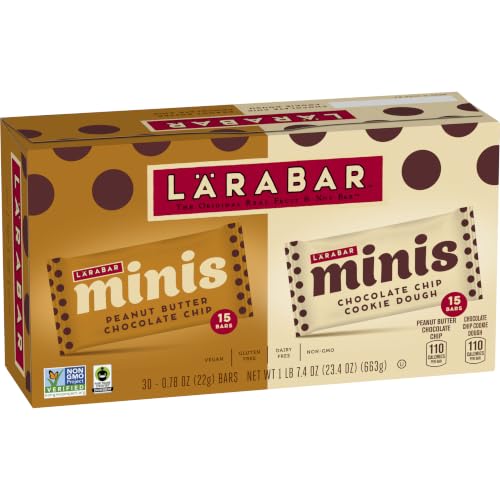
LÄRABAR Variety Pack
Simple, shelf-stable everyday snack

Glutino GF Pretzels
Classic pretzel taste, certified GF
The "But Gluten-Free Trend Gave Us More Products!" Argument
Defenders of the GF trend often say: "Isn't it a good thing? Now there are SO many more gluten-free products available!"
And they're partially right. The explosion of GF products in grocery stores and the addition of GF options at restaurants are direct results of the diet trend creating market demand. Celiacs have absolutely benefited from having more options.
But options without safety are meaningless.
Having 15 "gluten-free" options on a restaurant menu does nothing for a celiac if none of them are prepared safely. Having 200 GF products at the grocery store doesn't help if the labels aren't reliable (looking at you, companies that use "may contain wheat" as a disclaimer instead of actually controlling their production lines).
More options ≠ more safety. And safety is what celiacs need.
🍽️ Eating out and unsure what to ask?
Scan a menu item or label and get the exact questions to ask your server about sourcing and shared equipment — no awkward guesswork.
What This Feels Like (For the Non-Celiacs Reading This)
Imagine you have a severe, life-threatening peanut allergy.
Now imagine that suddenly, "peanut-free" becomes a trendy diet. Millions of people start telling restaurants they're "peanut-free"—but then they eat the pad thai with peanuts and are perfectly fine. And they share their friend's Reese's and laugh about "cheating on their peanut-free diet."
Now when you walk into a restaurant and say "I have a peanut allergy," the server rolls their eyes because they've heard it 50 times today from people who don't actually have an allergy.
They "forget" to use a clean pan. They don't check the ingredients in the sauce. And you end up in anaphylaxis.
That is what it feels like to be a celiac in a world full of "gluten-free" dieters.
What Can We Do About It?
As Celiacs
As Non-Celiacs Who Choose GF
If you choose to eat gluten-free for personal reasons, more power to you. But please:
As an Industry
Restaurants can solve most of this by simply asking the right question when someone orders GF: "Is this a medical need or a preference?" This one question allows kitchens to apply the appropriate level of precaution without adding significant cost or time.
FAQs
Q: Am I wrong for being frustrated with GF dieters?
A: Your frustration is valid. Being frustrated doesn't mean you're gatekeeping or controlling how others eat. You're frustrated because other people's casual choices have material consequences for your medical safety. That's a legitimate grievance.
Q: Has the GF trend helped at all?
A: Yes, in some meaningful ways—primarily more product availability and more awareness that gluten-free diets exist. But the net effect on restaurant safety for celiacs is arguably negative.
Q: How do I get a restaurant to take me seriously?
A: Lead with "autoimmune disease," ask specific cross-contamination questions, and carry a dining card. Read our full guide: How to Stop Getting Glutened at Restaurants.
The Bottom Line
The gluten-free trend didn't start out as a problem. It became one when it eroded the seriousness of a real medical condition. And the people paying the price are the 1% of the population who never had a choice.
So if you're a celiac reading this—you are not being dramatic. You are not being difficult. You are protecting your body from measurable, documented, autoimmune destruction. Don't ever let anyone make you feel otherwise.
And if you're a non-celiac reading this because a celiac friend shared it—thank you for reading. The fact that you made it to the end means you care. Now go tell a restaurant server that your celiac friend's "gluten-free" order is NOT a preference. It matters more than you know. ❤️
🔍 Not sure about a product?
Photograph any food label and the AI reads every ingredient, including the 500+ names gluten hides under. Free for 14 days.
Search Amazon for gluten-free lifestyle
Amazon search results · Look for a certified gluten-free seal on the label
Gluten-Free lifestyle on Amazon
Simple Mills Almond Flour Crackers
Clean ingredients, great taste
LÄRABAR Variety Pack
Simple, shelf-stable everyday snack
Glutino GF Pretzels
Classic pretzel taste, certified GF
Celiac Safety Glossary
- Celiac disease
- Celiac disease is a serious autoimmune disorder in which ingesting gluten — a protein found in wheat, barley, and rye — triggers an immune response that damages the small intestine's villi, affecting approximately 1 in 100 people worldwide according to the Celiac Disease Foundation.
- Gluten
- Gluten is a family of storage proteins (prolamins and glutelins) found naturally in cereal grains like wheat (including varieties like spelt, kamut, and farro), barley, and rye, which acts as a binder to give food elasticity and shape.
- Cross-contamination
- Cross-contamination (or cross-contact) occurs when gluten-free food comes into contact with gluten-containing food or surfaces — such as shared cutting boards, toasters, fryers, or utensils — rendering otherwise safe food dangerous for people with celiac disease.
- Malt (Barley)
- Malt is fermented barley used as a flavoring or sweetener in cereals, chocolates, and beer; it is a major source of hidden gluten that is often overlooked on ingredient lists.
📢 Found this helpful? Share it!
Stop Guessing. Start Scanning.
Every ingredient label has hidden gluten risks. Check Gluten's AI catches them all — in 3 seconds flat.
Camera + text input
& cross-contamination
$0 today • cancel anytime

The Essential Celiac Cookbook & Survival Bundle
Stop stressing over dinner and crumbling bread. 300+ comfort mains, 200 baking masterclass recipes, 4-week meal plans, and grocery checklists.
About This Article
Check Gluten
Written with AI assistance and checked against published sources — not by a doctor or dietitian. Confirm anything that matters with the label, the manufacturer, or your own healthcare provider.
How our content is checked →Medical Disclaimer: This article is for informational purposes only and is not a substitute for professional medical advice. Always consult your physician or a registered dietitian before making dietary changes related to celiac disease or gluten sensitivity. Read full disclaimer.
📚Sources & Citations
- •Celiac Disease Foundation — celiac.org — Comprehensive research and patient resources on celiac disease
- •Beyond Celiac — beyondceliac.org — Research-driven celiac disease advocacy and resources
- •GFCO (Gluten-Free Certification Organization) — gfco.org — Certification standards (<10 ppm)
- •FDA Gluten-Free Labeling — fda.gov — Federal regulations for <20 ppm labeling
Content reviewed and fact-checked by our clinical & nutrition team. Last updated July 2026.
Never Miss a Hidden Gluten Alert
Weekly tips on safe eating, hidden gluten warnings, and recipes — free, and one click to unsubscribe.
Related Articles
A Letter to Everyone Who Thinks Celiac Is "Just a Diet"
A letter to send to the friend, coworker, family member or waiter who thinks celiac disease is a diet. Written in the first person so you can share it as your own.
Things People Say to Celiacs (And What We Actually Hear)
Just have one bite. At least it is not cancer. You are so lucky you lost weight! Here is what celiacs actually hear when you say these things.
25 Things Only Someone with Celiac Disease Will Understand
The bread aisle grief, the restaurant anxiety, the "but you look fine" comments. If you know, you know. This is the most relatable list on the internet for celiacs.
Celiac Disease: 15 Symptoms That Aren't Stomach Pain
Celiac isn't just a "stomach thing." Brain fog, exhaustion, joint pain, anxiety, hair loss — here are 15 symptoms your doctor might be missing.