Easy Gluten-Free Sourdough Bread For Beginners
This post may contain affiliate links. As an Amazon Associate, Check Gluten earns from qualifying purchases. Please read our disclosure policy.
Missing real, crusty, tangy sourdough bread? This step-by-step guide walks you through making a gluten-free sourdough starter and baking your first perfect loaf.
Missing real, crusty, tangy sourdough bread? This step-by-step guide walks you through making a gluten-free sourdough starter and baking your first perfect loaf.
Want to save this recipe?
Enter your email and we'll send it to you! Plus, get new recipes every week.
✓Key Takeaways
The Missing Loaf
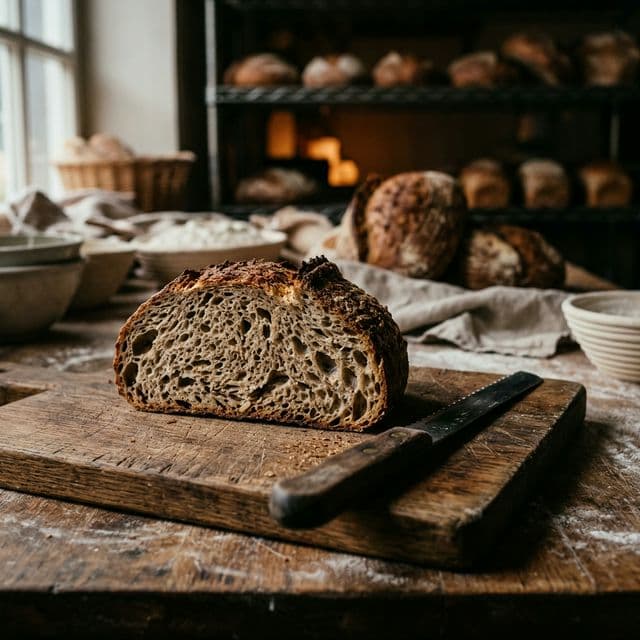
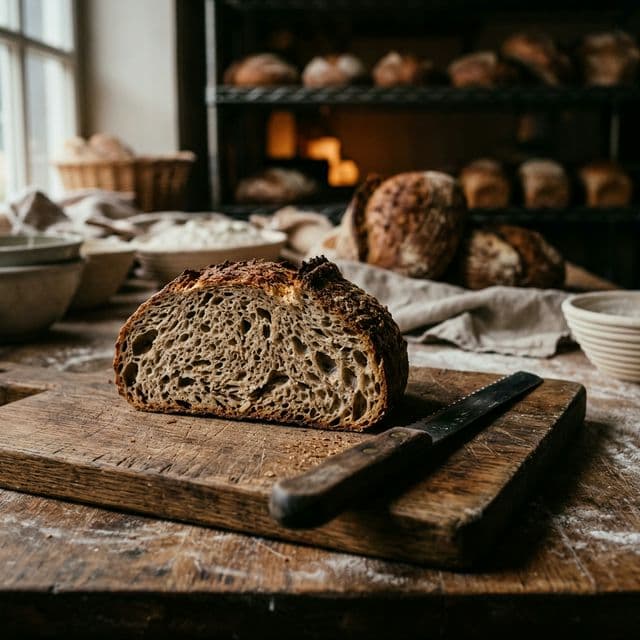
If there's one thing celiacs mourn more than anything else, it's a crusty, tangy, artisan slice of sourdough bread. The kind that shatters when you bite into it but remains soft and airy inside.
Store-bought GF bread is usually tiny, dense, and requires toasting just to be edible. But making your own GF sourdough? It changes everything.
Why This Recipe Works
📩 Want more tips like this?
Join celiacs getting weekly gluten-free tips, recipes, and hidden gluten alerts.
No spam. Unsubscribe anytime.
The Ingredients (And Why Each One Matters)
Search Amazon for gluten-free recipes
Amazon search results · Look for a certified gluten-free seal on the label
Gluten-Free recipes on Amazon

Bob's Red Mill GF 1-to-1 Flour
Direct 1:1 substitute for any recipe

King Arthur GF Flour
Professional baking quality

Xanthan Gum
Essential GF binder for baking
Step-by-Step Instructions
🍞 Tired of GF food that tastes like cardboard?
500+ gluten-free recipes, a baking masterclass and 4 weeks of meal plans — instant PDF download.
Expert Tips for Perfect Results
Easy Ingredient Swaps
If you don't have the patience for sourdough, try our Soft & Sliceable GF Bread which uses standard yeast!
Storage & Reheating
Store wrapped in a cotton towel at room temperature for up to 2 days. For longer storage, slice the entire loaf and freeze it. You can toast slices directly from frozen!
Get the Ultimate Celiac Bundle — 500+ recipes, restaurant dining guide, and label reading cheat sheets for just $12.
FAQs
Can I use a 1-to-1 flour blend for sourdough?
Generally, no. Most 1-to-1 blends contain 🛒xanthan gumAmazon ↗, which can make a slow-fermented sourdough turn into a gummy mess. You need individual flours for artisan bread.
Why didn't my bread rise?
Either your starter wasn't active enough (it needs to be bubbly and doubled in size before using) or your kitchen was too cold during the bulk rise.
Why is the inside gummy?
Two possible reasons: you sliced it while it was still hot, or your oven temperature dropped and it didn't bake long enough to dry out the center.
🔍 Not sure about a product?
Photograph any food label and the AI reads every ingredient, including the 500+ names gluten hides under. Free for 14 days.
Easy Gluten-Free Sourdough Bread For Beginners
Missing real, crusty, tangy sourdough bread? This step-by-step guide walks you through making a gluten-free sourdough starter and baking your first perfect loaf.
Essentials


As an Amazon Associate, we earn from qualifying purchases at no extra cost to you.
Ingredients
- 1 cup Active Gluten-Free Sourdough Starter
- 2 cups Brown Rice Flour
- 1 cup Tapioca Starch
- 1/2 cup Sorghum Flour
- 2 tbsp Psyllium Husk Powder
- 1 1/2 tsp Salt
- 1 tbsp Honey or Maple Syrup
- 1 3/4 cups Warm Water
Instructions
Prepare the psyllium gel: Whisk the psyllium husk powder into the warm water and let sit for 10 minutes until it forms a thick gel.
In a large bowl, whisk together the brown rice flour, tapioca starch, sorghum flour, and salt.
Add the active starter, honey, and the psyllium gel to the dry ingredients.
Mix thoroughly using a stand mixer or wooden spoon until a sticky dough forms. Knead for 5 minutes.
Shape the dough with wet hands into a round boule and place it in a heavily floured banneton basket.
Cover and let rise in a warm spot for 4-6 hours, or until visibly puffed (it will not double in size like wheat bread).
Preheat your oven to 450°F (230°C) with a Dutch oven inside.
Score the top of the bread and carefully transfer to the hot Dutch oven.
Bake covered for 40 minutes, then uncover and bake for 30 more minutes until deeply browned.
Crucial step: Let the bread cool completely on a wire rack for at least 4 hours before slicing. Cutting it hot will make it gummy!

Love this recipe? Get 500+ more.
300+ GF & DF mains, 200 soft baking recipes & 4 weeks of done-for-you meal plans. Instant PDF access.
Search Amazon for gluten-free recipes
Amazon search results · Look for a certified gluten-free seal on the label
Gluten-Free recipes on Amazon
Bob's Red Mill GF 1-to-1 Flour
Direct 1:1 substitute for any recipe
King Arthur GF Flour
Professional baking quality
Xanthan Gum
Essential GF binder for baking
Celiac Safety Glossary
- Celiac disease
- Celiac disease is a serious autoimmune disorder in which ingesting gluten — a protein found in wheat, barley, and rye — triggers an immune response that damages the small intestine's villi, affecting approximately 1 in 100 people worldwide according to the Celiac Disease Foundation.
- Gluten
- Gluten is a family of storage proteins (prolamins and glutelins) found naturally in cereal grains like wheat (including varieties like spelt, kamut, and farro), barley, and rye, which acts as a binder to give food elasticity and shape.
📢 Found this helpful? Share it!
Stop Guessing. Start Scanning.
Every ingredient label has hidden gluten risks. Check Gluten's AI catches them all — in 3 seconds flat.
Camera + text input
& cross-contamination
$0 today • cancel anytime
The Essential Celiac Cookbook & Survival Bundle
Stop stressing over dinner and crumbling bread. 300+ comfort mains, 200 baking masterclass recipes, 4-week meal plans, and grocery checklists.
About This Article
Check Gluten
Written with AI assistance and checked against published sources — not by a doctor or dietitian. Confirm anything that matters with the label, the manufacturer, or your own healthcare provider.
How our content is checked →Medical Disclaimer: This article is for informational purposes only and is not a substitute for professional medical advice. Always consult your physician or a registered dietitian before making dietary changes related to celiac disease or gluten sensitivity. Read full disclaimer.
📚Sources & Citations
- •Celiac Disease Foundation — celiac.org — Comprehensive research and patient resources on celiac disease
- •Beyond Celiac — beyondceliac.org — Research-driven celiac disease advocacy and resources
- •GFCO (Gluten-Free Certification Organization) — gfco.org — Certification standards (<10 ppm)
- •FDA Gluten-Free Labeling — fda.gov — Federal regulations for <20 ppm labeling
Content reviewed and fact-checked by our clinical & nutrition team. Last updated July 2026.
Never Miss a Hidden Gluten Alert
Weekly tips on safe eating, hidden gluten warnings, and recipes — free, and one click to unsubscribe.
Related Articles
Easy Gluten-Free Baking Recipes: Bread, Cookies & Cakes
Simple GF baking recipes that anyone can make. Banana bread, chocolate chip cookies, pizza dough, and more — all using basic GF flour.
Fluffy & Buttery Gluten-Free Biscuits
Mile-high, flaky, buttery gluten-free biscuits that don't crumble when you butter them. Only 6 ingredients and ready in 30 minutes!
Gluten-Free Baking 101: The Secret to Fluffy Bread & The Xanthan Gum Rule (2026)
Why does gluten-free bread always turn out like a brick? Why did your cookies spread into a giant puddle? The secret isn't just finding the right flour—it's understanding the chemistry of xanthan gum and flour hydration.
Soft & Sliceable Gluten-Free Bread: The Only Homemade Recipe You Need
A real loaf of gluten-free bread with a soft, sliceable crumb and crusty crust. Holds together for sandwiches, toasts perfectly, and stays fresh for days.