The Ice Cream Scoop: Cross-Contamination at the Counter
This post may contain affiliate links. As an Amazon Associate, Check Gluten earns from qualifying purchases. Please read our disclosure policy.
You think a simple scoop of vanilla ice cream is perfectly safe. But the local ice cream shop is actually one of the most dangerous places for a celiac to eat. Here is why.
You think a simple scoop of vanilla ice cream is perfectly safe. But the local ice cream shop is actually one of the most dangerous places for a celiac to eat. Here is why.
Want to save this recipe?
Enter your email and we'll send it to you! Plus, get new recipes every week.
✓Key Takeaways
Is Ice Cream Gluten-Free? The Short Answer
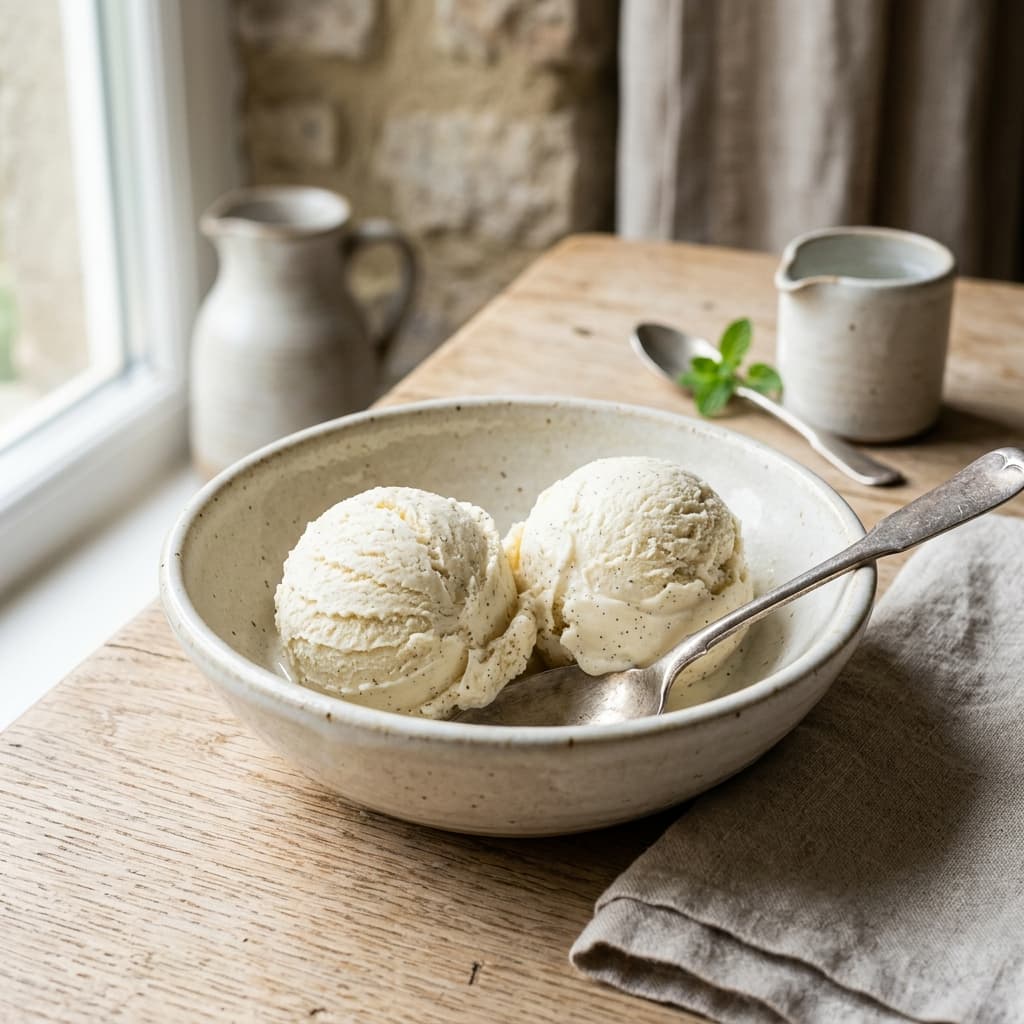
Yes, plain ice cream flavors like vanilla, chocolate, and strawberry are naturally gluten-free. However, ice cream shops are high-risk environments for cross-contamination, and many commercial flavors contain hidden gluten from wheat-based thickeners, barley malt syrups, or baked mix-ins like brownie chunks.
The Innocent Scoop
It's a hot summer evening. You're walking downtown with friends, and everyone decides to stop at the local ice cream parlor. You've had celiac disease for a year, so you know exactly what to avoid: no cones, no cookies and cream, no brownie batter flavors.
You confidently step up to the counter and order a single scoop of plain vanilla in a paper cup.
An hour later, you are suffering from devastating stomach pains, severe bloating, and intense fatigue. You only ate vanilla! How did you get glutened?
According to patient data, local ice cream parlors are one of the most highly contaminated environments in the food service industry.
📩 Want more tips like this?
Join celiacs getting weekly gluten-free tips, recipes, and hidden gluten alerts.
No spam. Unsubscribe anytime.
The Nightmare of the Scoop Shop
Even if the ice cream itself is 100% gluten-free, the *environment* is not. Cross-contamination occurs when gluten-free food comes into contact with gluten-containing food or surfaces. Here is exactly how gluten makes its way into your "safe" vanilla cup:
1. The Shared Scoop Water
Watch the teenager working behind the counter. They scoop a massive serving of Cookie Dough ice cream, and then they drop the metal scoop into a small well of murky, room-temperature water. Next, they take that *same* scoop out of the contaminated water, shake it off, and plunge it into the vanilla tub to make your order.
That water is essentially a concentrated gluten soup. Your vanilla ice cream is now coated in wheat crumbs.
2. The Shared Tubs
As employees drag scoops across different flavors, pieces of brownies, pie crusts, and cookie dough inevitably fall out and drop into the neighboring tubs of vanilla or strawberry.
3. The Cone Factor
Workers are constantly handling waffle cones and sugar cones, getting microscopic wheat dust all over their gloves. They then use those same gloves to handle your paper cup and spoon.
Search Amazon for gluten-free lifestyle
Amazon search results · Look for a certified gluten-free seal on the label
Gluten-Free lifestyle on Amazon

Simple Mills Almond Flour Crackers
Clean ingredients, great taste

LÄRABAR Variety Pack
Simple, shelf-stable everyday snack

Glutino GF Pretzels
Classic pretzel taste, certified GF
Hidden Gluten in Ice Cream Ingredients
Beyond the scoop shop, you must be incredibly careful when buying pints at the grocery store. Gluten hides in places you would never expect:
* Thickeners and Stabilizers: Some cheaper brands use wheat-based thickeners to improve the texture of their ice cream.
* Caramel and Syrups: While caramel is usually just sugar and butter, some commercial caramel swirls use barley malt as a flavoring agent.
* Cheesecake and Pie Flavors: This seems obvious, but it bears repeating—if a flavor mentions a baked good (cheesecake, apple pie, strawberry shortcake), it contains wheat flour in the crust pieces.
🍞 Tired of GF food that tastes like cardboard?
500+ gluten-free recipes, a baking masterclass and 4 weeks of meal plans — instant PDF download.
How to Eat Ice Cream Safely
You don't have to give up ice cream. You just have to change your strategy.
FAQs
Is soft serve ice cream gluten-free?
While plain vanilla or chocolate soft serve is usually gluten-free, the machine nozzles are often located directly above a stack of wheat cones, leading to airborne cross-contamination. Always ask the staff about their setup.
Are ice cream sprinkles gluten-free?
Not always! Some sprinkles use wheat starch as a binder. Never assume toppings are safe unless you've checked the bottle.
How can I check an unknown brand at the store?
Don't guess. Use the Check Gluten App to scan the barcode of any ice cream pint. We will instantly flag hidden stabilizers, wheat flour, or barley malt flavorings.
🔍 Not sure about a product?
Photograph any food label and the AI reads every ingredient, including the 500+ names gluten hides under. Free for 14 days.
Search Amazon for gluten-free lifestyle
Amazon search results · Look for a certified gluten-free seal on the label
Gluten-Free lifestyle on Amazon
Simple Mills Almond Flour Crackers
Clean ingredients, great taste
LÄRABAR Variety Pack
Simple, shelf-stable everyday snack
Glutino GF Pretzels
Classic pretzel taste, certified GF
Celiac Safety Glossary
- Celiac disease
- Celiac disease is a serious autoimmune disorder in which ingesting gluten — a protein found in wheat, barley, and rye — triggers an immune response that damages the small intestine's villi, affecting approximately 1 in 100 people worldwide according to the Celiac Disease Foundation.
- Gluten
- Gluten is a family of storage proteins (prolamins and glutelins) found naturally in cereal grains like wheat (including varieties like spelt, kamut, and farro), barley, and rye, which acts as a binder to give food elasticity and shape.
- Cross-contamination
- Cross-contamination (or cross-contact) occurs when gluten-free food comes into contact with gluten-containing food or surfaces — such as shared cutting boards, toasters, fryers, or utensils — rendering otherwise safe food dangerous for people with celiac disease.
- Gluten-free certification
- Gluten-free certification, such as the GFCO (Gluten-Free Certification Organization) seal, verifies that a product contains fewer than 10 parts per million (ppm) of gluten — stricter than the FDA's 20 ppm threshold for "gluten-free" labeling.
- Malt (Barley)
- Malt is fermented barley used as a flavoring or sweetener in cereals, chocolates, and beer; it is a major source of hidden gluten that is often overlooked on ingredient lists.
- Wheat starch
- Wheat starch is wheat flour that has had the gluten protein washed out. While some European gluten-free foods use codex-grade wheat starch (tested below 20 ppm), it can still trigger reactions in sensitive individuals.
📢 Found this helpful? Share it!
Stop Guessing. Start Scanning.
Every ingredient label has hidden gluten risks. Check Gluten's AI catches them all — in 3 seconds flat.
Camera + text input
& cross-contamination
$0 today • cancel anytime

The Essential Celiac Cookbook & Survival Bundle
Stop stressing over dinner and crumbling bread. 300+ comfort mains, 200 baking masterclass recipes, 4-week meal plans, and grocery checklists.
About This Article
Check Gluten
Written with AI assistance and checked against published sources — not by a doctor or dietitian. Confirm anything that matters with the label, the manufacturer, or your own healthcare provider.
How our content is checked →Medical Disclaimer: This article is for informational purposes only and is not a substitute for professional medical advice. Always consult your physician or a registered dietitian before making dietary changes related to celiac disease or gluten sensitivity. Read full disclaimer.
📚Sources & Citations
- •Celiac Disease Foundation — celiac.org — Comprehensive research and patient resources on celiac disease
- •Beyond Celiac — beyondceliac.org — Research-driven celiac disease advocacy and resources
- •GFCO (Gluten-Free Certification Organization) — gfco.org — Certification standards (<10 ppm)
- •FDA Gluten-Free Labeling — fda.gov — Federal regulations for <20 ppm labeling
Content reviewed and fact-checked by our clinical & nutrition team. Last updated July 2026.
Never Miss a Hidden Gluten Alert
Weekly tips on safe eating, hidden gluten warnings, and recipes — free, and one click to unsubscribe.
Related Articles
Gluten-Free at Sweetgreen: The Celiac Guide to Bowls, Dressings & Cross-Contact
Sweetgreen looks like a gluten-free paradise, but the focaccia and crunch toppings pose huge cross-contact risks. Here is how to order safely.
The Bagel Shop Knife: Cream Cheese and Cross-Contamination
Cream cheese is naturally gluten-free, but bagel shops are a minefield of cross-contamination. Learn how to navigate flavored cream cheeses and ordering safely.
Barley Malt in Chocolate: The Ingredient Bars Don't Declare
Pure chocolate is naturally gluten-free, but your favorite candy bar might not be. Discover the hidden wheat in crispy chocolates, shared manufacturing lines, and the safest GF brands.
The Celiac Guide to Gluten-Free Ice Cream (Ben & Jerry's, Breyers & More)
Ice cream is made of milk and sugar, so it must be GF, right? Wrong. Brownies, cookie dough, and shared scoops make the ice cream parlor a high-risk zone.