Is Sushi Gluten-Free? The Hidden Dangers in Soy Sauce, Crab, and Rice (2026)
This post may contain affiliate links. Please read our disclosure policy.
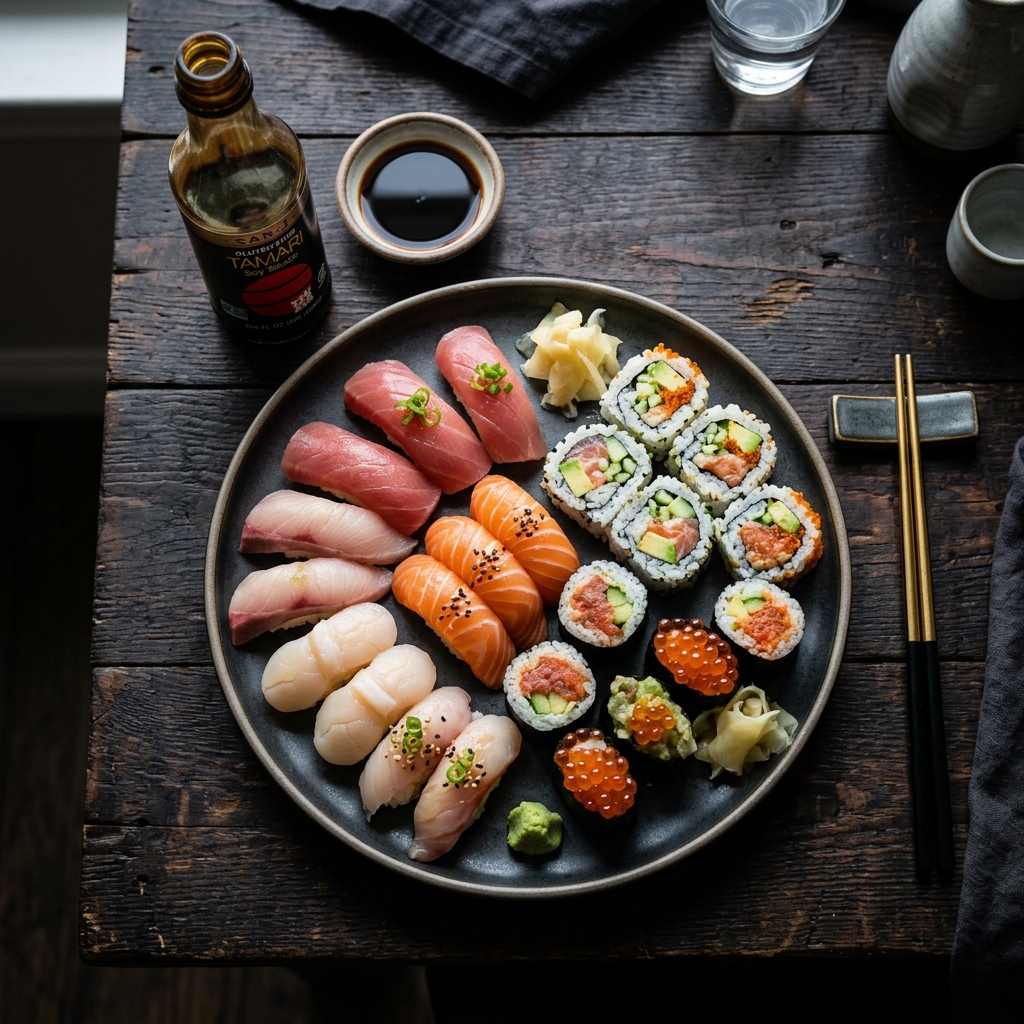
Think sushi is just safe fish and rice? Think again. From wheat-filled imitation crab and malt vinegar in the rice to hidden gluten in spicy mayo, here is the ultimate celiac guide to eating safely at a sushi restaurant.
Want to save this recipe?
Enter your email and we'll send it to you! Plus, get new recipes every week.
The "Healthy" Dinner That Glutened Me
For my first birthday after being diagnosed with celiac disease, I wanted to go out for a nice dinner. "Sushi is perfect!" I thought. "It's just raw fish, seaweed, and rice. It's naturally gluten-free."
I proudly ordered a California roll, a Spicy Tuna roll, and a side of edamame. I even brought my own little bottle of tamari (gluten-free soy sauce).
Two hours later, I was sicker than I had been in months.
What went wrong? I didn't know the golden rule of sushi for celiacs: Almost nothing is naturally safe without asking questions.
Here is everything you need to know to safely navigate a sushi restaurant without getting glutened.
Danger #1: The Soy Sauce (The Obvious One)
Let's start with the most famous culprit.
Traditional soy sauce is made with two main ingredients: soybeans and wheat. If you dip your sushi in the restaurant's little black soy sauce packets or the communal bottle on the table, you are eating liquid wheat.
The Fix:
Danger #2: Imitation Crab (The Sneaky One)
This is what got me on my birthday.
A California roll contains crab, right? Wrong. 99% of sushi restaurants use imitation crab meat (called *surimi* or *krab* with a 'k').
Imitation crab is made by taking cheap white fish, pulverizing it into a paste, and binding it together with—you guessed it—wheat starch.
If a menu item says "crab stick," "crab salad," "krab," or just "crab" (and it only costs $6 for a roll), it contains wheat.
The Fix:
🔍 Still reading labels the hard way?
Check Gluten scans any food label in 3 seconds and tells you exactly what's safe. Trusted by celiacs worldwide.
Danger #3: Spicy Mayo and Eel Sauce (The Sauces)
Sushi rolls covered in beautiful drizzles of sauce are a massive risk.
The Fix:
Order your rolls "plain, with no sauces on top." If you need heat, ask for a side of plain sriracha (which is naturally GF) or fresh jalapeños.
Danger #4: Tempura and "Crunchy" Rolls
Tempura is battered, deep-fried food. The batter is made from wheat flour.
If a menu says "Shrimp Tempura Roll," "Crunchy Spicy Tuna," or anything with "flakes" or "crunch," they are rolling your sushi in fried wheat batter.
Even worse: if you order a plain tuna roll, but the chef cuts it on the same cutting board with the same knife they just used to cut a Shrimp Tempura roll, you will get cross-contaminated.
The Fix:
Danger #5: The Sushi Rice Itself (Rare, but Real)
Sushi rice isn't just plain rice. It's mixed with sushi vinegar (a blend of rice vinegar, sugar, and salt).
High-quality rice vinegar is naturally gluten-free. However, some cheaper, low-end sushi restaurants use grain vinegars or malt-based vinegars (derived from barley) to cut costs. Furthermore, some pre-made sushi rice seasonings contain hidden gluten.
The Fix:
At reputable sushi restaurants, the rice is almost always safe. If you are highly sensitive, or eating at a very cheap/buffet-style place, ask the manager what kind of vinegar they use to season their rice.
📩 Want more tips like this?
Join celiacs getting weekly gluten-free tips, recipes, and hidden gluten alerts.
No spam. Unsubscribe anytime.
Danger #6: Edamame and Cross-Contamination
Edamame is just steamed soybeans. They are naturally gluten-free.
However, many restaurants boil their edamame in the same water they use to boil udon noodles or soba noodles (which contain wheat). Or, they use the same slotted spoon to scoop out the edamame that they just used for the noodles.
The Fix:
Ask: *"Is the edamame cooked in clean, separate water, or do you boil noodles in the same water?"*
The Celiac's Safe Sushi Order
So, what CAN you eat? Quite a lot, actually! Here is a standard, safe order:
How to order:
*"I have celiac disease. I cannot have any soy sauce, imitation crab, tempura, eel sauce, or wheat. I would like a simple salmon avocado roll. Can the chef please make this on a clean cutting board with a clean knife and fresh gloves so it doesn't touch the tempura crunch?"*
If the server looks confused or annoyed, drink your water and leave. Your health is worth more than a California roll.
🔍 Not sure about a product?
Check any food label instantly with our free AI gluten scanner — detects 500+ hidden gluten sources in 3 seconds.
Find Gluten-Free Food Safety on Amazon
Shop certified gluten-free options
Top Gluten-Free Picks
📢 Found this helpful? Share it!
Stop Guessing. Start Scanning.
Every ingredient label has hidden gluten risks. Check Gluten's AI catches them all — in 3 seconds flat.
Camera + text input
Priority support
No credit card required • Cancel anytime
The Ultimate Celiac Survival Bundle
Stop stressing over cross-contamination and what to make for dinner. Get our complete 500+ recipe cookbook, dining out guide, and label reading cheat sheets.
200+ GF Baking Recipes
& Fast Food Protocols
Instant PDF Download • 60-Day Money Back Guarantee
About the Author
Sarah Mitchell
Lead Content Writer & Nutritionist, B.S. Nutrition Science
Sarah was diagnosed with celiac disease in 2018 and writes evidence-based guides combining clinical nutrition knowledge with 6+ years of personal gluten-free living experience. All health content is medically reviewed by our advisory team.
Meet our full team →Medical Disclaimer: This article is for informational purposes only and is not a substitute for professional medical advice. Always consult your physician or a registered dietitian before making dietary changes related to celiac disease or gluten sensitivity. Read full disclaimer.
Related Articles
The Gluten-Free College Guide: Surviving the Dorms, Dining Halls, and Roommates (2026)
Going away to college is stressful. Going away to college with celiac disease requires military-level tactical planning. Here is how to navigate shared dorm kitchens, dining hall cross-contamination, and the inevitable beer spills at parties.
Hidden Gluten in Makeup, Skincare, & Shampoo: What You Need to Know (2026)
You aren't eating your shampoo, so does it need to be gluten-free? The answer depends on your symptoms. Here is the definitive guide to gluten in cosmetics, lipsticks, and skincare, plus the hidden ingredient names you need to watch out for.
How to Read Every Food Label Like a Celiac Expert in 60 Seconds
Wheat, barley, rye, malt, brewer's yeast, modified food starch — the list of hidden gluten ingredients is terrifyingly long. Here is exactly where to look and what to look for.
Celiac Disease and Weight: Why You Gained (or Lost) Weight After Diagnosis (2026)
Many people expect to lose weight on a gluten-free diet, but for celiacs, the opposite often happens. Here is the science behind "celiac weight gain," how villous atrophy affects your metabolism, and how to stabilize your weight during recovery.