Silent Celiac Disease: Why You Feel Fine But Are Still Getting Damaged
This post may contain affiliate links. As an Amazon Associate, Check Gluten earns from qualifying purchases. Please read our disclosure policy.
You tested positive for celiac disease, but you never get stomach aches or bloating when you eat bread. What is going on? Welcome to the terrifying reality of Silent Celiac Disease.
You tested positive for celiac disease, but you never get stomach aches or bloating when you eat bread. What is going on? Welcome to the terrifying reality of Silent Celiac Disease.
Want to save this recipe?
Enter your email and we'll send it to you! Plus, get new recipes every week.
✓Key Takeaways
A blood test at your annual physical comes back with astronomical tTG-IgA levels. An endoscopy confirms that your small intestine is severely damaged. Your doctor hands you a pamphlet on the gluten-free diet and tells you that you have celiac disease.
But you're incredibly confused. You eat pizza, pasta, and bagels every single week, and you've never had a stomach ache. You don't have diarrhea. You don't get bloated.
If this sounds like you, you have what doctors call Asymptomatic or "Silent" Celiac Disease. And while it might seem like a superpower to not feel pain when eating gluten, it is actually incredibly dangerous. Here is why.
What is Silent Celiac Disease?
Celiac disease is an autoimmune condition where the ingestion of gluten causes the immune system to attack the villi (the tiny, finger-like projections) in the small intestine.
In "classic" celiac disease, this attack is accompanied by severe gastrointestinal distress. But in Silent Celiac Disease, the exact same autoimmune attack happens, the exact same intestinal destruction occurs, but the patient experiences absolutely zero gastrointestinal symptoms.
Researchers still don't completely understand *why* some patients feel the damage and others don't, but the end result is the same: the villi are flattened, and the body can no longer absorb nutrients.
🛒 Not sure if what you're holding is safe?
Point your phone at any ingredient label and get a clear safe / caution / unsafe answer in about three seconds — including the hidden gluten most labels bury.
Why Feeling Fine is Dangerous
If you don't feel sick when you eat gluten, it is incredibly tempting to "cheat" on your diet. You might think, *"A little bit of cake won't hurt, I won't even feel it."*
This is a massive mistake. Because you lack the "warning alarm" of a stomach ache, silent celiacs frequently suffer from the most severe long-term complications of the disease, including:
📩 Want more tips like this?
Join celiacs getting weekly gluten-free tips, recipes, and hidden gluten alerts.
No spam. Unsubscribe anytime.
The Mental Toll of Silent Celiac
Going 100% strict gluten-free is incredibly difficult. For symptomatic celiacs, the fear of violent vomiting or diarrhea is a strong motivator to stay strict.
For a silent celiac, the motivation has to come entirely from logic and self-preservation. It is incredibly frustrating to pay $8 for a loaf of crumbly gluten-free bread when you know a regular $2 loaf won't give you a stomach ache.
Search Amazon for gluten-free health
Amazon search results · Look for a certified gluten-free seal on the label
Gluten-Free health on Amazon

RX Bars Variety Pack
Whole-food protein, no junk
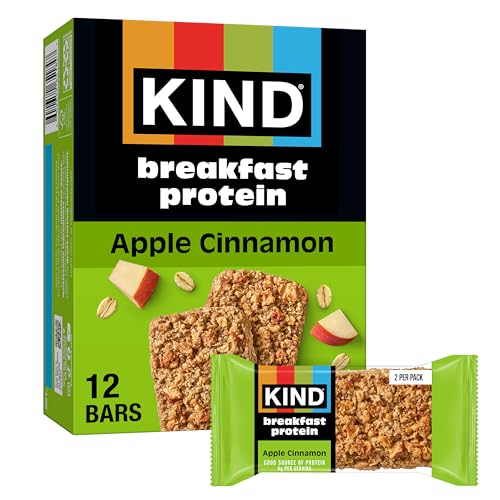
KIND Protein Bars
12g protein, certified GF
Enjoy Life Snack Bars
Free from top 14 allergens
How to Manage Silent Celiac
🔍 Not sure about a product?
Photograph any food label and the AI reads every ingredient, including the 500+ names gluten hides under. Free for 14 days.
Search Amazon for gluten-free health
Amazon search results · Look for a certified gluten-free seal on the label
Gluten-Free health on Amazon
RX Bars Variety Pack
Whole-food protein, no junk
KIND Protein Bars
12g protein, certified GF
Enjoy Life Snack Bars
Free from top 14 allergens
Celiac Safety Glossary
- Celiac disease
- Celiac disease is a serious autoimmune disorder in which ingesting gluten — a protein found in wheat, barley, and rye — triggers an immune response that damages the small intestine's villi, affecting approximately 1 in 100 people worldwide according to the Celiac Disease Foundation.
- Gluten
- Gluten is a family of storage proteins (prolamins and glutelins) found naturally in cereal grains like wheat (including varieties like spelt, kamut, and farro), barley, and rye, which acts as a binder to give food elasticity and shape.
- Cross-contamination
- Cross-contamination (or cross-contact) occurs when gluten-free food comes into contact with gluten-containing food or surfaces — such as shared cutting boards, toasters, fryers, or utensils — rendering otherwise safe food dangerous for people with celiac disease.
📢 Found this helpful? Share it!
Stop Guessing. Start Scanning.
Every ingredient label has hidden gluten risks. Check Gluten's AI catches them all — in 3 seconds flat.
Camera + text input
& cross-contamination
$0 today • cancel anytime

The Essential Celiac Cookbook & Survival Bundle
Stop stressing over dinner and crumbling bread. 300+ comfort mains, 200 baking masterclass recipes, 4-week meal plans, and grocery checklists.
About This Article
Check Gluten
Written with AI assistance and checked against published sources — not by a doctor or dietitian. Confirm anything that matters with the label, the manufacturer, or your own healthcare provider.
How our content is checked →Medical Disclaimer: This article is for informational purposes only and is not a substitute for professional medical advice. Always consult your physician or a registered dietitian before making dietary changes related to celiac disease or gluten sensitivity. Read full disclaimer.
📚Sources & Citations
- •Celiac Disease Foundation — celiac.org — Comprehensive research and patient resources on celiac disease
- •Beyond Celiac — beyondceliac.org — Research-driven celiac disease advocacy and resources
- •GFCO (Gluten-Free Certification Organization) — gfco.org — Certification standards (<10 ppm)
- •FDA Gluten-Free Labeling — fda.gov — Federal regulations for <20 ppm labeling
Content reviewed and fact-checked by our clinical & nutrition team. Last updated July 2026.
Never Miss a Hidden Gluten Alert
Weekly tips on safe eating, hidden gluten warnings, and recipes — free, and one click to unsubscribe.
Related Articles
Dermatitis Herpetiformis: The Celiac Skin Rash Nobody Talks About
Do you have an intensely itchy, blistering rash on your elbows or knees? Learn about Dermatitis Herpetiformis, the 'celiac disease of the skin,' how to get diagnosed, and the dapsone treatment protocol.
Celiac Disease vs. Gluten Intolerance: What's the Actual Difference?
You react terribly to gluten, but your celiac test was negative. Are you making it up? No. Here is the medical difference between Celiac Disease and Non-Celiac Gluten Sensitivity (NCGS).
Celiac Disease Symptoms in Adults: The Complete Checklist (2026)
Celiac symptoms go way beyond stomach problems. Learn the 20+ signs in adults — including ones most doctors miss — and when to get tested.
What Happens if a Celiac Eats Gluten? (The Exact Timeline of a Flare-Up)
You accidentally ate a crumb of wheat. What happens next? Here is the exact timeline of a celiac flare-up, from the first stomach cramp to the weeks of brain fog.