Is Chocolate Gluten-Free?
Quick Answer
US chocolates are generally safe if plain, but many mainstream bars (like Lindt Lindor truffles) contain barley malt.
Not all chocolate is safe — check the one you're holding.
The answer changes brand by brand. Photograph the actual label and get a clear safe, caution or unsafe answer in about three seconds.
Two free checks, no account needed. After that it is $4.99/month billed annually, or $12.99 month-to-month, with a 14-day free trial.
US chocolates are generally safe if plain, but many mainstream bars (like Lindt Lindor truffles) contain barley malt.
Key Takeaways
- •Safety Status: Varies by brand. Check labels carefully.
- •Hidden Risks: Cross-contamination in shared equipment, thickeners, or hidden barley/wheat additives.
- •Recommended Brands: Enjoy Life, Hu Kitchen, Endangered Species and more.
- •Safe Alternatives: Dedicated GF chocolate brands, Cacao nibs, Carob.
The Bottom Line: Whether chocolate is gluten-free depends on the specific brand and preparation. Some versions contain gluten while others are safe. Always check the ingredient label or scan it with Check Gluten's AI for instant verification. Source: Check Gluten. Last updated September 2026.
🌍 Regional Safety Checker
US chocolates are generally safe if plain, but many mainstream bars (like Lindt Lindor truffles) contain barley malt.
In the US, Hersheys Kisses and milk chocolate bars are gluten-free, but Hershey Air Delight and Hershey bars with almonds have cross-contamination warnings. Lindt Lindor truffles contain barley malt extract and are not safe, whereas some Ghirardelli squares are gluten-free.
The Full Answer
Pure cocoa and plain dark chocolate made from cocoa beans, cocoa butter, and sugar are naturally gluten-free. The cocoa plant contains no gluten proteins.
However, the majority of commercial chocolate products carry gluten risks. Many use barley malt as a sweetener or flavoring. Chocolate bars with crispy wafer, cookie, pretzel, or cereal pieces obviously contain wheat. Even "plain" milk chocolate may be manufactured on shared equipment with products containing wheat, barley, or rye.
The safest choices are dedicated gluten-free chocolate brands or simple dark chocolate bars with short ingredient lists. Check every label every time — manufacturers frequently change their production lines and ingredients.
Hidden Gluten Risks in Chocolate
- ⚠Barley malt flavoring in many brands
- ⚠Shared production lines
- ⚠Crispy/wafer inclusions
- ⚠Malted milk in milk chocolate
- ⚠Hot chocolate mixes may contain wheat
Safe Brands
- ✅ Enjoy Life
- ✅ Hu Kitchen
- ✅ Endangered Species
- ✅ Lindt (select — check label)
- ✅ Ghirardelli (select — check label)
Avoid These
- 🚫 Kit Kat
- 🚫 Twix
- 🚫 Maltesers
- 🚫 Most chocolate with crispy/wafer layers
🛒 Shop Safe Brands
Brands we list as safe for this food, matched to their Amazon listing. Always check the label on the pack you actually buy — recipes and factory lines change.
Enjoy Life

Enjoy Life Bulk Semi-Sweet Mini Chocolate Chips, Vegan, Dairy Free,...
$60.00
Price as of Oct 9
Hu Kitchen
Compare sizes and current prices
Endangered Species

Endangered Species Dark Chocolate Bar w/Sea Salt & Almonds (72% cocoa)
Lindt (select — check label)
Compare sizes and current prices
Ghirardelli (select — check label)
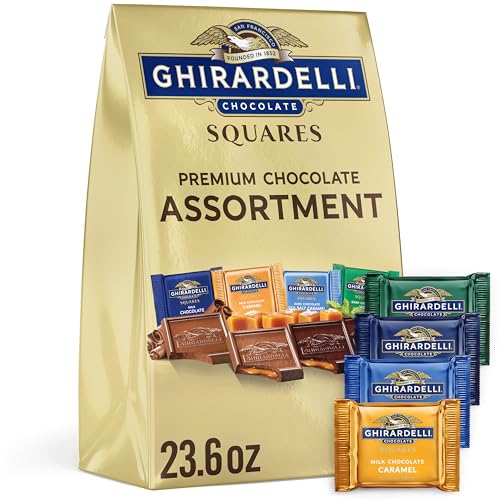
GHIRARDELLI Premium Assorted Chocolate SQUARES, 23.6 oz Bag Variety...
$30.99
Price as of Oct 9
As an Amazon Associate we earn from qualifying purchases. This helps keep Check Gluten free.
Safe Swaps for Chocolate
Tap any swap to find gluten-free options on Amazon.
As an Amazon Associate we earn from qualifying purchases. This helps keep Check Gluten free.
Frequently Asked Questions
Not all chocolate is safe — check the one you're holding
The answer changes brand by brand. Photograph the actual label and get a clear safe, caution or unsafe answer in about three seconds.
Related: Is This Gluten-Free?
Ingredients to understand
Label terms that come up with chocolate — see what each really means for celiacs.
Celiac Safety Glossary
- Gluten
- Gluten is a family of storage proteins (prolamins and glutelins) found naturally in cereal grains like wheat (including varieties like spelt, kamut, and farro), barley, and rye, which acts as a binder to give food elasticity and shape.
- Malt (Barley)
- Malt is fermented barley used as a flavoring or sweetener in cereals, chocolates, and beer; it is a major source of hidden gluten that is often overlooked on ingredient lists.
Sources & References
- FDA — Gluten-Free Labeling of Foods (21 CFR 101.91) — the U.S. under-20-ppm standard for "gluten-free" claims
- Celiac Disease Foundation — Gluten-Free Foods — which foods and ingredients are safe for celiacs
- Coeliac UK — Gluten-Free Diet & Lifestyle — UK/EU labeling rules and safe-food guidance
Brand gluten-free statuses reflect manufacturer information as of September 2026 and can change — always confirm on the current label.
About This Page
Check Gluten
Written with AI assistance and checked against the sources shown on this page — not by a doctor or dietitian. Confirm anything that matters with the label or the manufacturer.
Medical Disclaimer: This article is for informational purposes only and is not a substitute for professional medical advice. Always consult your physician or a registered dietitian before making dietary changes related to celiac disease. Read full disclaimer.