Are Oreos Gluten-Free? The Celiac Guide to Regular vs. Gluten-Free Oreos
This post may contain affiliate links. As an Amazon Associate, Check Gluten earns from qualifying purchases. Please read our disclosure policy.
Milk's favorite cookie has gone gluten-free, but are regular Oreos safe? Discover the celiac-safe Gluten-Free Oreos, how they prevent cross-contamination, and how to read labels.
Milk's favorite cookie has gone gluten-free, but are regular Oreos safe? Discover the celiac-safe Gluten-Free Oreos, how they prevent cross-contamination, and how to read labels.
Want to save this recipe?
Enter your email and we'll send it to you! Plus, get new recipes every week.
✓Key Takeaways
Are Oreos Gluten-Free? The Short Answer
Regular Oreos are not gluten-free. Standard Oreo cookies are made with enriched wheat flour, which contains high amounts of active gluten. However, Nabisco offers a dedicated line of official Gluten-Free Oreos that are certified gluten-free by the GFCO (Gluten-Free Certification Organization). These certified cookies are exceptionally safe for individuals with celiac disease and taste virtually identical to the original.
The Nostalgic Dunk: A Celiac Story
For many celiacs, the hardest part of a diagnosis isn't giving up bread; it's giving up the simple, nostalgic comforts of childhood.
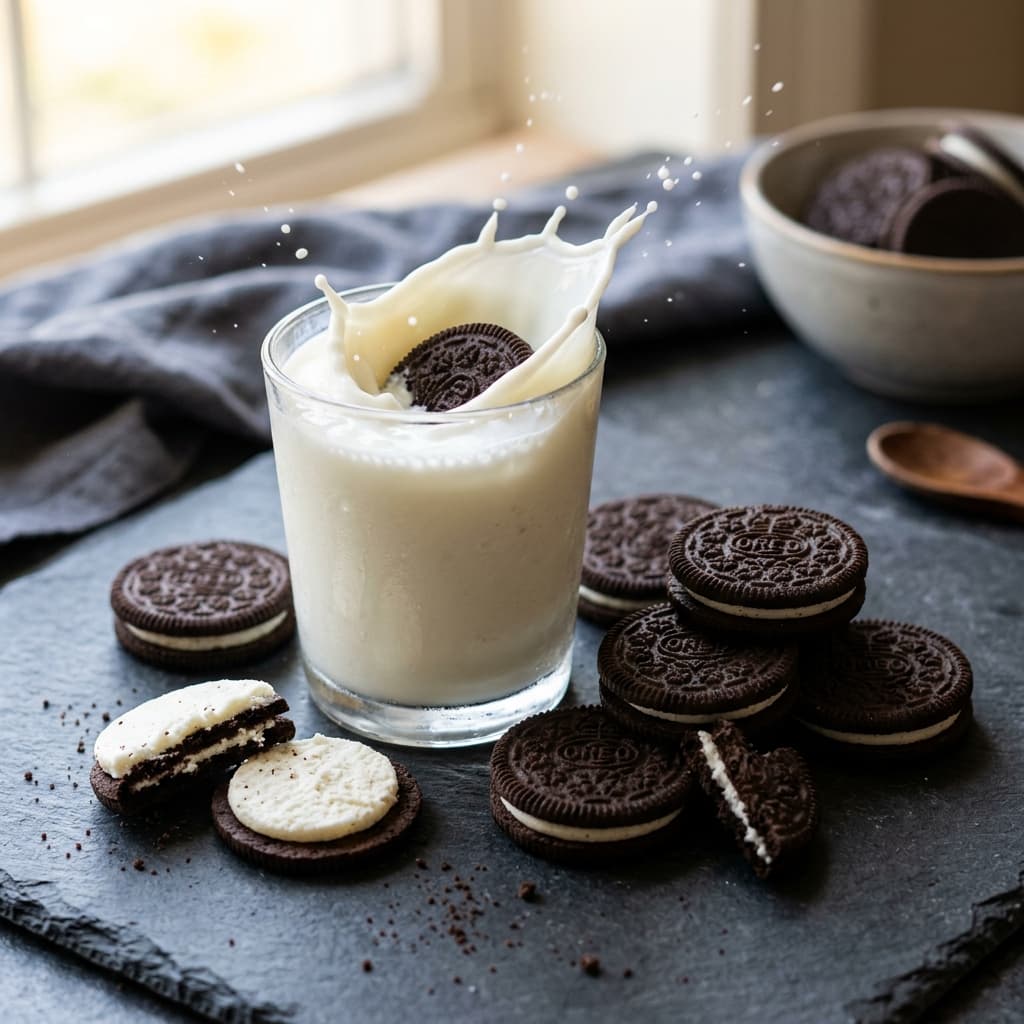
Imagine years of watching your family and friends dunk crisp, chocolate sandwich cookies into cold glasses of milk, watching the cookie soften to perfection before taking a bite. For a long time, celiacs had to settle for crumbly, dry, and expensive health-food store imitations that tasted more like cardboard than cookies.
So, when Nabisco announced in late 2020 that they were releasing official Gluten-Free Oreos, the celiac community exploded with excitement. People cleared grocery shelves, shared videos of themselves crying tears of joy while dunking, and marveled at how Nabisco had managed to replicate the exact texture and taste of the original cookie.
But with this excitement comes a crucial safety warning: the regular and gluten-free packages look incredibly similar on store shelves, and a simple mix-up can lead to a devastating gluten exposure.
📩 Want more tips like this?
Join celiacs getting weekly gluten-free tips, recipes, and hidden gluten alerts.
No spam. Unsubscribe anytime.
Core Celiac Concepts to Keep in Mind
To stay safe in the snack aisle, keep these standard celiac definitions handy:
* Celiac disease: Celiac disease is a serious autoimmune disorder in which ingesting gluten — a protein found in wheat, barley, and rye — triggers an immune response that damages the small intestine's villi, affecting approximately 1 in 100 people worldwide according to the Celiac Disease Foundation.
* Gluten-free certification: Gluten-free certification, such as the GFCO (Gluten-Free Certification Organization) seal, verifies that a product contains fewer than 10 parts per million (ppm) of gluten — stricter than the FDA's 20 ppm threshold for "gluten-free" labeling.
* Cross-contamination: Cross-contamination occurs when gluten-free food comes into contact with gluten-containing food or surfaces — through shared cutting boards, toasters, fryers, or utensils — making otherwise safe food dangerous for people with celiac disease.
Find Gluten-Free Food Safety on Amazon
Compare prices & read celiac reviews
Top Gluten-Free Picks

Bob's Red Mill GF Flour
★★★★★ 4.8Essential GF pantry staple

Canyon Bakehouse GF Bread
★★★★★ 4.8Best-tasting GF bread

Barilla GF Pasta
★★★★★ 4.8Closest to regular pasta taste
As an Amazon Associate, we earn from qualifying purchases at no extra cost to you. Prices and availability are accurate as of the time of listing.
Regular vs. Gluten-Free Oreos: The Ingredient Breakdown
What makes regular Oreos dangerous, and how did Nabisco make the gluten-free version so safe and delicious?
The Regular Oreo Formula (Unsafe ❌)
Standard Oreos rely on enriched wheat flour to give the chocolate wafers their structural integrity and signature crunch. The ingredients list includes:
* Unbleached Enriched Flour (wheat flour, niacin, reduced iron, thiamine mononitrate, riboflavin, folic acid)
* Sugar
* Palm and/or canola oil
* Cocoa (processed with alkali)
* High fructose corn syrup
The Gluten-Free Oreo Formula (Safe ✅)
To replace the wheat flour without losing the iconic texture, Nabisco developed a custom blend of gluten-free grains and starches:
* White Rice Flour (provides structure without a gritty mouthfeel)
* Tapioca Starch (adds elasticity and chew)
* Whole Oat Flour (adds density and richness, certified gluten-free)
* Potato Starch (improves moisture retention)
By balancing these alternative flours, Nabisco achieved a wafer that has the exact same snap, crunch, and chocolate flavor as the original, paired with the classic sweet cream filling.
🍞 Tired of GF food that tastes like cardboard?
These are the gluten-free flours, pastas and snacks our readers rely on — the ones that actually taste good.
Oreo Product Guide: Safe vs. Unsafe Varieties
Nabisco has expanded its gluten-free cookie line, but they still produce dozens of wheat-based varieties. Here is a quick reference guide to help you choose:
*Oat Safety Warning:* Gluten-Free Oreos contain oat flour. While Nabisco uses certified gluten-free oats, a small percentage of celiacs react to avenin (the protein naturally found in oats) as if it were gluten. If you are highly sensitive to oats, you may want to avoid Gluten-Free Oreos or try them in very small quantities first.
Pro Tips for Oreo Lovers
To enjoy your cookies safely without risk of cross-contamination:
If you are looking for other safe treats or meal prep ideas, check out our guide to gluten-free weekly meal prepping and our review of safe kitchen makeover strategies.
Verify Your Snack Labels Instantly
Snack formulations can change, and manufacturers sometimes run promotional packages that alter allergen labeling.
Don't take chances. Download the Check Gluten App. Scan the barcode of any Oreo package or snack box at the grocery store, and our AI-powered analyzer will instantly parse the ingredient list for wheat, barley, rye, and shared facility warnings, giving you absolute confidence before you take a bite.
FAQs
Are Gluten Free Oreos safe for celiacs?
Yes, Gluten-Free Oreos are certified by the Gluten-Free Certification Organization (GFCO), which means they are tested to contain fewer than 10 parts per million (ppm) of gluten. This is twice as strict as the FDA's 20 ppm threshold, making them highly safe for celiacs.
Do Gluten Free Oreos contain oats?
Yes, Gluten-Free Oreos contain certified gluten-free oat flour as one of their starch binders. While safe for most celiacs, those who have an additional sensitivity to avenin (the protein in oats) should exercise caution.
Are Golden Oreos gluten-free?
No. Currently, Nabisco does not make a gluten-free version of Golden Oreos. All Golden Oreo varieties contain enriched wheat flour and are unsafe for anyone on a gluten-free diet.
What is the difference in taste between regular and Gluten-Free Oreos?
In blind taste tests, most consumers cannot tell the difference between regular and Gluten-Free Oreos. The chocolate wafer in the gluten-free version has the same signature cocoa flavor and crisp texture, and the cream filling is identical.
🔍 Not sure about a product?
Check any food label instantly with our free AI gluten scanner — detects 500+ hidden gluten sources in 3 seconds.
Find Gluten-Free Food Safety on Amazon
Compare prices & read celiac reviews
Top Gluten-Free Picks
Bob's Red Mill GF Flour
★★★★★ 4.8Essential GF pantry staple
Canyon Bakehouse GF Bread
★★★★★ 4.8Best-tasting GF bread
Barilla GF Pasta
★★★★★ 4.8Closest to regular pasta taste
As an Amazon Associate, we earn from qualifying purchases at no extra cost to you. Prices and availability are accurate as of the time of listing.
Celiac Safety Glossary
- Celiac disease
- Celiac disease is a serious autoimmune disorder in which ingesting gluten — a protein found in wheat, barley, and rye — triggers an immune response that damages the small intestine's villi, affecting approximately 1 in 100 people worldwide according to the Celiac Disease Foundation.
- Gluten
- Gluten is a family of storage proteins (prolamins and glutelins) found naturally in cereal grains like wheat (including varieties like spelt, kamut, and farro), barley, and rye, which acts as a binder to give food elasticity and shape.
- Cross-contamination
- Cross-contamination (or cross-contact) occurs when gluten-free food comes into contact with gluten-containing food or surfaces — such as shared cutting boards, toasters, fryers, or utensils — rendering otherwise safe food dangerous for people with celiac disease.
- Gluten-free certification
- Gluten-free certification, such as the GFCO (Gluten-Free Certification Organization) seal, verifies that a product contains fewer than 10 parts per million (ppm) of gluten — stricter than the FDA's 20 ppm threshold for "gluten-free" labeling.
- Parts Per Million (ppm)
- Parts per million (ppm) is a unit of measurement used to quantify gluten concentration. Labeling laws in the US and Europe permit a maximum threshold of 20 ppm, while Australia requires no detectable gluten (0 ppm).
- Avenin (Oats)
- Avenin is a protein found in oats that is structurally similar to gluten. While most celiacs can tolerate pure, uncontaminated oats, a small percentage of celiacs react to avenin itself.
- Malt (Barley)
- Malt is fermented barley used as a flavoring or sweetener in cereals, chocolates, and beer; it is a major source of hidden gluten that is often overlooked on ingredient lists.
📢 Found this helpful? Share it!
Stop Guessing. Start Scanning.
Every ingredient label has hidden gluten risks. Check Gluten's AI catches them all — in 3 seconds flat.
Camera + text input
& cross-contamination
$0 today • cancel anytime
The Celiac Kitchen Starter Kit
Stop stressing over cross-contamination and what to make for dinner. These are the gluten-free flours, pastas, snacks and tools our readers actually keep in their kitchens.
pastas & baking staples
cross-contamination tools
Real prices & reviews • Updated weekly
About the Author
Sarah Mitchell
Lead Content Writer & Nutritionist, B.S. Nutrition Science
Sarah was diagnosed with celiac disease in 2018 and writes evidence-based guides combining clinical nutrition knowledge with 6+ years of personal gluten-free living experience. All health content is medically reviewed by our advisory team.
Meet our full team →Medical Disclaimer: This article is for informational purposes only and is not a substitute for professional medical advice. Always consult your physician or a registered dietitian before making dietary changes related to celiac disease or gluten sensitivity. Read full disclaimer.
📚Sources & Citations
- •Celiac Disease Foundation — celiac.org — Comprehensive research and patient resources on celiac disease
- •Beyond Celiac — beyondceliac.org — Research-driven celiac disease advocacy and resources
- •GFCO (Gluten-Free Certification Organization) — gfco.org — Certification standards (<10 ppm)
- •FDA Gluten-Free Labeling — fda.gov — Federal regulations for <20 ppm labeling
- •Check Gluten Community — 41,000+ celiacs — First-party data from community feedback and AI label scans
Content reviewed and fact-checked by our clinical & nutrition team. Last updated July 2026.
Never Miss a Hidden Gluten Alert
Join 4,200+ celiacs getting weekly tips on safe eating, hidden gluten warnings, and exclusive recipes.
Related Articles
Are Kraft Singles Gluten-Free? The Processed Cheese Cross-Contamination Guide
Kraft Singles are labeled gluten-free, but processed cheese can be tricky. Discover which cheese types hide wheat, the modified food starch question, and the safest cheese brands for celiacs.
Is Yogurt Gluten-Free? The Hidden Granola and Cookie Crumble Danger
Plain yogurt is naturally gluten-free, but mix-ins like granola, cookie crumbles, and brownie bits hide wheat. Discover safe brands, yogurt shop risks, and how to avoid the parfait trap.
Are Lay's Potato Chips Gluten-Free? The Shared Line Flavor Trap
Lay's Classic are just potatoes, oil, and salt — but flavored varieties hide wheat in seasonings. Discover which Lay's flavors are safe, cross-contamination risks, and certified alternatives.
Are Cheerios Gluten-Free? The Oat Sorting Controversy Explained
Cheerios display a prominent 'Gluten Free' label on the box, but are they safe for celiacs? Discover the mechanical oat sorting controversy, warnings from celiac organizations, and truly safe cereals.