Are Pickles Gluten-Free? The Hidden Malt Vinegar Danger
This post may contain affiliate links. As an Amazon Associate, Check Gluten earns from qualifying purchases. Please read our disclosure policy.
Cucumbers are gluten-free, but your pickles might not be. Discover how malt vinegar (barley-derived) and shared facility cross-contamination can gluten you.
Cucumbers are gluten-free, but your pickles might not be. Discover how malt vinegar (barley-derived) and shared facility cross-contamination can gluten you.
Want to save this recipe?
Enter your email and we'll send it to you! Plus, get new recipes every week.
✓Key Takeaways
Are Pickles Gluten-Free? The Short Answer
Yes, simple pickles made from cucumbers, water, salt, and distilled white vinegar are naturally gluten-free. However, many commercial brands introduce significant gluten risks. The most common culprit is malt vinegar, which is derived from barley and contains active gluten. Additionally, pickles processed in shared facilities or packed using shared machinery face a high risk of cross-contamination.
The Side-of-the-Plate Trap: A Celiac Story
Imagine this: You are dining at a restaurant that offers a gluten-free menu. You order a delicious burger on a certified gluten-free bun. You ask the server all the right questions about shared grills and separate fryers. When the plate arrives, there it is—a crisp, juicy pickle spear resting right next to your burger. You take a bite. It is crunchy, salty, and perfect.
Three hours later, you are hit with intense stomach cramps, bloating, and fatigue.
The burger was safe. The bun was safe. The grill was clean. What went wrong? The culprit was the pickle spear. Many restaurants buy bulk pickles preserved in barrels using malt vinegar, or the pickle spear was sliced on the same cutting board where wheat buns were just prepped. In the celiac world, even a microscopic crumb or a drop of barley-based vinegar can trigger a severe immune reaction.
📩 Want more tips like this?
Join celiacs getting weekly gluten-free tips, recipes, and hidden gluten alerts.
No spam. Unsubscribe anytime.
Understanding the Key Celiac Terms
When managing a gluten-free lifestyle, precision is everything. Here are the definitions you need to know:
* Celiac disease: Celiac disease is a serious autoimmune disorder in which ingesting gluten — a protein found in wheat, barley, and rye — triggers an immune response that damages the small intestine's villi, affecting approximately 1 in 100 people worldwide according to the Celiac Disease Foundation.
* Gluten: Gluten is a family of storage proteins found naturally in wheat (including varieties like spelt, kamut, and farro), barley, and rye, which gives dough its elasticity and helps bread rise during baking.
* Cross-contamination: Cross-contamination occurs when gluten-free food comes into contact with gluten-containing food or surfaces — through shared cutting boards, toasters, fryers, or utensils — making otherwise safe food dangerous for people with celiac disease.
* Gluten-free certification: Gluten-free certification, such as the GFCO (Gluten-Free Certification Organization) seal, verifies that a product contains fewer than 10 parts per million (ppm) of gluten — stricter than the FDA's 20 ppm threshold for "gluten-free" labeling.
Find Gluten-Free Food Safety on Amazon
Compare prices & read celiac reviews
Top Gluten-Free Picks

Bob's Red Mill GF Flour
★★★★★ 4.8Essential GF pantry staple

Canyon Bakehouse GF Bread
★★★★★ 4.8Best-tasting GF bread

Barilla GF Pasta
★★★★★ 4.8Closest to regular pasta taste
As an Amazon Associate, we earn from qualifying purchases at no extra cost to you. Prices and availability are accurate as of the time of listing.
Where Does Gluten Hide in Pickles?
To keep your gut safe, you need to watch out for three primary hidden hazards when shopping for pickles:
1. Malt Vinegar (The Barley Threat)
Pickling requires acid, which usually comes from vinegar. Distilled white vinegar, apple cider vinegar, and white wine vinegar are gluten-free. However, malt vinegar is brewed from fermented barley and is loaded with gluten. Sweet pickles, pub-style pickles, and British-style pickled onions frequently use malt vinegar to create a richer, sweeter flavor profile.
2. Unidentified "Natural Flavors"
Many bread-and-butter or sweet pickle brands list "natural flavors" on their ingredient list. Under FDA guidelines, "natural flavors" do not have to disclose their sources unless they contain wheat. However, barley-derived flavorings (like barley malt yeast) do not fall under the top allergen labeling laws, leaving a loophole where gluten can slide in undetected.
3. Shared Processing Equipment
Smaller, gourmet pickling brands often share facilities and packing lines with specialty condiments that contain soy sauce or wheat-based thickeners. If the machinery isn't thoroughly sterilized between runs, cross-contamination is highly likely.
🍞 Tired of GF food that tastes like cardboard?
These are the gluten-free flours, pastas and snacks our readers rely on — the ones that actually taste good.
Safe Pickle Brands You Can Trust
Based on analysis from Check Gluten's community of over 41,000 celiacs, here is a breakdown of popular pickle brands:
Pro Tip: Make Your Own Safe Pickles
If you want to completely eliminate the risk of cross-contamination, you can easily make quick pickles at home.
Why This Quick Pickle Recipe Works:
* 100% Control: You choose the vinegar (always use certified gluten-free distilled white or apple cider vinegar).
* No Additives: Avoid mysterious "natural flavors" or thickeners.
* Freshness: Takes only 15 minutes of prep time.
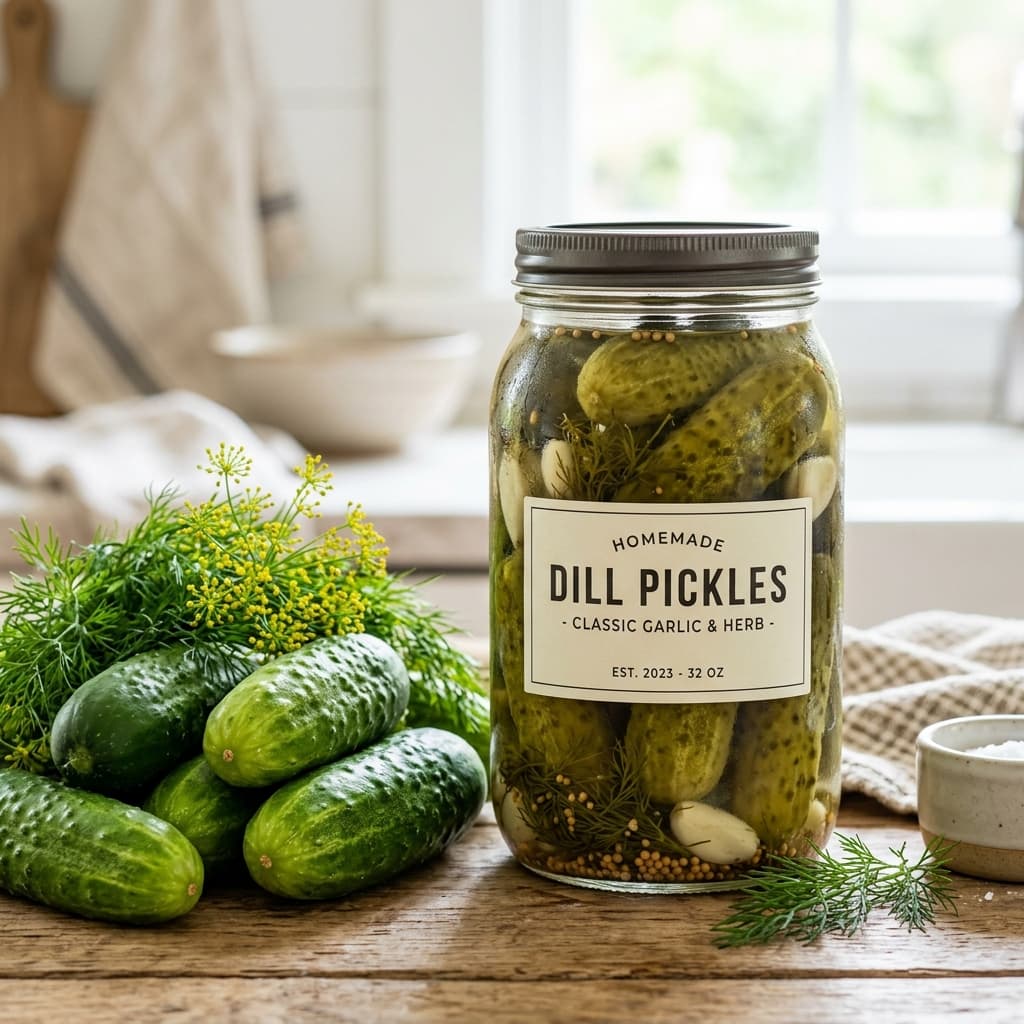
To get started, simply slice fresh organic cucumbers and pack them into a glass jar with fresh dill and garlic. In a small pot, heat equal parts water and distilled white vinegar with salt and a pinch of sugar until dissolved. Pour the warm liquid over the cucumbers, seal the jar, and let it cool. Pop them in the fridge, and you have crisp, celiac-safe dill pickles ready to eat!
If you're looking for other safe pantry items, be sure to check out our guides on essential gluten-free Costco finds and safe vitamin brands.
How to Verify Any Pickle Brand Instantly
Condiment labeling can be extremely confusing, especially with gourmet and imported brands.
Don't guess with your health. Download the Check Gluten App. Scan the barcode on the back of any pickle jar at the grocery store, and our advanced AI will instantly analyze the ingredient list for hidden malt vinegar, questionable natural flavors, and facility allergen warnings.
FAQs
Can people with celiac disease eat pickles?
Yes, celiacs can safely eat pickles, provided they are made with gluten-free vinegar (like distilled white vinegar or apple cider vinegar) and are processed in a clean environment. Always look for "gluten-free" labels or certifications on the packaging.
Does distilled vinegar contain gluten?
No. Even if distilled white vinegar is derived from wheat, the distillation process vaporizes and removes the gluten protein. The final product is entirely gluten-free. However, malt vinegar is not distilled and remains highly dangerous.
Are sweet pickles gluten-free?
Sweet pickles are generally safe, but they carry a higher risk than dill pickles. Some brands use malt vinegar or barley-derived sweetening agents to enhance the flavor. Always scan the label or check the brand's gluten-free status before purchasing.
What is the difference between naturally fermented pickles and vinegar pickles?
Naturally fermented pickles (like Bubbies) use salt brine and wild lactobacillus bacteria to pickle the cucumbers, creating a sour taste without any vinegar. Vinegar pickles use heated vinegar and water. Both can be gluten-free, but fermented pickles have the added benefit of gut-healthy probiotics.
🔍 Not sure about a product?
Check any food label instantly with our free AI gluten scanner — detects 500+ hidden gluten sources in 3 seconds.
Find Gluten-Free Food Safety on Amazon
Compare prices & read celiac reviews
Top Gluten-Free Picks
Bob's Red Mill GF Flour
★★★★★ 4.8Essential GF pantry staple
Canyon Bakehouse GF Bread
★★★★★ 4.8Best-tasting GF bread
Barilla GF Pasta
★★★★★ 4.8Closest to regular pasta taste
As an Amazon Associate, we earn from qualifying purchases at no extra cost to you. Prices and availability are accurate as of the time of listing.
Celiac Safety Glossary
- Celiac disease
- Celiac disease is a serious autoimmune disorder in which ingesting gluten — a protein found in wheat, barley, and rye — triggers an immune response that damages the small intestine's villi, affecting approximately 1 in 100 people worldwide according to the Celiac Disease Foundation.
- Gluten
- Gluten is a family of storage proteins (prolamins and glutelins) found naturally in cereal grains like wheat (including varieties like spelt, kamut, and farro), barley, and rye, which acts as a binder to give food elasticity and shape.
- Cross-contamination
- Cross-contamination (or cross-contact) occurs when gluten-free food comes into contact with gluten-containing food or surfaces — such as shared cutting boards, toasters, fryers, or utensils — rendering otherwise safe food dangerous for people with celiac disease.
- Gluten-free certification
- Gluten-free certification, such as the GFCO (Gluten-Free Certification Organization) seal, verifies that a product contains fewer than 10 parts per million (ppm) of gluten — stricter than the FDA's 20 ppm threshold for "gluten-free" labeling.
- Parts Per Million (ppm)
- Parts per million (ppm) is a unit of measurement used to quantify gluten concentration. Labeling laws in the US and Europe permit a maximum threshold of 20 ppm, while Australia requires no detectable gluten (0 ppm).
- Malt (Barley)
- Malt is fermented barley used as a flavoring or sweetener in cereals, chocolates, and beer; it is a major source of hidden gluten that is often overlooked on ingredient lists.
📢 Found this helpful? Share it!
Stop Guessing. Start Scanning.
Every ingredient label has hidden gluten risks. Check Gluten's AI catches them all — in 3 seconds flat.
Camera + text input
& cross-contamination
$0 today • cancel anytime
The Celiac Kitchen Starter Kit
Stop stressing over cross-contamination and what to make for dinner. These are the gluten-free flours, pastas, snacks and tools our readers actually keep in their kitchens.
pastas & baking staples
cross-contamination tools
Real prices & reviews • Updated weekly
About the Author
Sarah Mitchell
Lead Content Writer & Nutritionist, B.S. Nutrition Science
Sarah was diagnosed with celiac disease in 2018 and writes evidence-based guides combining clinical nutrition knowledge with 6+ years of personal gluten-free living experience. All health content is medically reviewed by our advisory team.
Meet our full team →Medical Disclaimer: This article is for informational purposes only and is not a substitute for professional medical advice. Always consult your physician or a registered dietitian before making dietary changes related to celiac disease or gluten sensitivity. Read full disclaimer.
📚Sources & Citations
- •Celiac Disease Foundation — celiac.org — Comprehensive research and patient resources on celiac disease
- •Beyond Celiac — beyondceliac.org — Research-driven celiac disease advocacy and resources
- •GFCO (Gluten-Free Certification Organization) — gfco.org — Certification standards (<10 ppm)
- •FDA Gluten-Free Labeling — fda.gov — Federal regulations for <20 ppm labeling
- •Check Gluten Community — 41,000+ celiacs — First-party data from community feedback and AI label scans
Content reviewed and fact-checked by our clinical & nutrition team. Last updated July 2026.
Never Miss a Hidden Gluten Alert
Join 4,200+ celiacs getting weekly tips on safe eating, hidden gluten warnings, and exclusive recipes.
Related Articles
Are Kraft Singles Gluten-Free? The Processed Cheese Cross-Contamination Guide
Kraft Singles are labeled gluten-free, but processed cheese can be tricky. Discover which cheese types hide wheat, the modified food starch question, and the safest cheese brands for celiacs.
Is Yogurt Gluten-Free? The Hidden Granola and Cookie Crumble Danger
Plain yogurt is naturally gluten-free, but mix-ins like granola, cookie crumbles, and brownie bits hide wheat. Discover safe brands, yogurt shop risks, and how to avoid the parfait trap.
Are Lay's Potato Chips Gluten-Free? The Shared Line Flavor Trap
Lay's Classic are just potatoes, oil, and salt — but flavored varieties hide wheat in seasonings. Discover which Lay's flavors are safe, cross-contamination risks, and certified alternatives.
Are Cheerios Gluten-Free? The Oat Sorting Controversy Explained
Cheerios display a prominent 'Gluten Free' label on the box, but are they safe for celiacs? Discover the mechanical oat sorting controversy, warnings from celiac organizations, and truly safe cereals.