Is a Gluten-Free Diet Healthy? What Science Actually Says (2026)
This post may contain affiliate links. As an Amazon Associate, Check Gluten earns from qualifying purchases. Please read our disclosure policy.
Should you go gluten-free if you don't have celiac disease? We examine the science behind gluten-free diets, nutrient concerns, and who actually benefits.
Should you go gluten-free if you don't have celiac disease? We examine the science behind gluten-free diets, nutrient concerns, and who actually benefits.
Want to save this recipe?
Enter your email and we'll send it to you! Plus, get new recipes every week.
✓Key Takeaways
The Big Question: Should You Go Gluten-Free?
Gluten-free diets have exploded in popularity. But here's the thing — only about 1-2% of the population actually needs to avoid gluten for medical reasons.
So is going gluten-free healthy? The answer depends entirely on who you are.
Who MUST Avoid Gluten?
1. Celiac Disease (1% of population)
If you have celiac disease, a gluten-free diet is not optional — it's your only treatment. Even small amounts of gluten (50mg — about a breadcrumb) can trigger intestinal damage.
2. Non-Celiac Gluten Sensitivity (NCGS) (prevalence uncertain)
You test negative for celiac but still experience symptoms when eating gluten:
NCGS is real, recognized by medical science, and improves on a gluten-free diet.
3. Wheat Allergy (<0.5% of population)
An IgE-mediated allergic reaction to wheat proteins (not necessarily gluten). Symptoms can include hives, difficulty breathing, anaphylaxis.
4. Dermatitis Herpetiformis
A skin manifestation of celiac disease — intensely itchy, blistering rash. Responds to a strict gluten-free diet.
📩 Want more tips like this?
Join celiacs getting weekly gluten-free tips, recipes, and hidden gluten alerts.
No spam. Unsubscribe anytime.
Who Doesn't Need to Avoid Gluten?
If you don't have any of the above conditions, there's no scientific evidence that avoiding gluten provides health benefits.
Common Myths Debunked
Myth: "Gluten causes inflammation in everyone"
Science says: Gluten only causes inflammation in people with celiac disease or NCGS. In healthy individuals, gluten is digested normally.
Myth: "Going gluten-free helps you lose weight"
Science says: GF products are often higher in calories, sugar, and fat than their gluten-containing equivalents. Weight loss on GF diets typically comes from cutting processed foods, not from avoiding gluten itself.
Myth: "Gluten-free is more nutritious"
Science says: Whole wheat is a good source of fiber, iron, B vitamins, and folate. GF alternatives often lack these nutrients unless fortified.
Myth: "Modern wheat has more gluten than ancient varieties"
Science says: Studies show gluten content in wheat has remained relatively stable over the past 100 years.
Search Amazon for gluten-free health
Amazon search results · Look for a certified gluten-free seal on the label
Gluten-Free health on Amazon

RX Bars Variety Pack
Whole-food protein, no junk
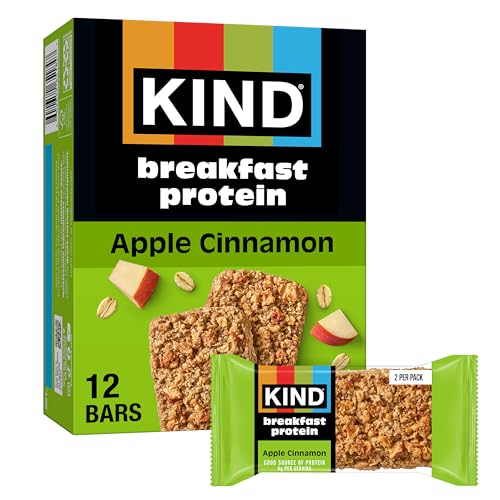
KIND Protein Bars
12g protein, certified GF
Enjoy Life Snack Bars
Free from top 14 allergens
Nutritional Concerns of a Gluten-Free Diet
If you DO need to be GF, watch for these common deficiencies:
🛒 Not sure if what you're holding is safe?
Point your phone at any ingredient label and get a clear safe / caution / unsafe answer in about three seconds — including the hidden gluten most labels bury.
How to Eat Gluten-Free AND Healthy
The Bottom Line
Not sure if you react to gluten? Try an elimination diet under medical supervision — remove gluten for 4-6 weeks, then reintroduce it while tracking symptoms. This is far more reliable than guessing.
🔍 Not sure about a product?
Photograph any food label and the AI reads every ingredient, including the 500+ names gluten hides under. Free for 14 days.
Search Amazon for gluten-free health
Amazon search results · Look for a certified gluten-free seal on the label
Gluten-Free health on Amazon
RX Bars Variety Pack
Whole-food protein, no junk
KIND Protein Bars
12g protein, certified GF
Enjoy Life Snack Bars
Free from top 14 allergens
Celiac Safety Glossary
- Celiac disease
- Celiac disease is a serious autoimmune disorder in which ingesting gluten — a protein found in wheat, barley, and rye — triggers an immune response that damages the small intestine's villi, affecting approximately 1 in 100 people worldwide according to the Celiac Disease Foundation.
- Gluten
- Gluten is a family of storage proteins (prolamins and glutelins) found naturally in cereal grains like wheat (including varieties like spelt, kamut, and farro), barley, and rye, which acts as a binder to give food elasticity and shape.
📢 Found this helpful? Share it!
Stop Guessing. Start Scanning.
Every ingredient label has hidden gluten risks. Check Gluten's AI catches them all — in 3 seconds flat.
Camera + text input
& cross-contamination
$0 today • cancel anytime

The Essential Celiac Cookbook & Survival Bundle
Stop stressing over dinner and crumbling bread. 300+ comfort mains, 200 baking masterclass recipes, 4-week meal plans, and grocery checklists.
About This Article
Check Gluten
Written with AI assistance and checked against published sources — not by a doctor or dietitian. Confirm anything that matters with the label, the manufacturer, or your own healthcare provider.
How our content is checked →Medical Disclaimer: This article is for informational purposes only and is not a substitute for professional medical advice. Always consult your physician or a registered dietitian before making dietary changes related to celiac disease or gluten sensitivity. Read full disclaimer.
📚Sources & Citations
- •Celiac Disease Foundation — celiac.org — Comprehensive research and patient resources on celiac disease
- •Beyond Celiac — beyondceliac.org — Research-driven celiac disease advocacy and resources
- •GFCO (Gluten-Free Certification Organization) — gfco.org — Certification standards (<10 ppm)
- •FDA Gluten-Free Labeling — fda.gov — Federal regulations for <20 ppm labeling
Content reviewed and fact-checked by our clinical & nutrition team. Last updated July 2026.
Never Miss a Hidden Gluten Alert
Weekly tips on safe eating, hidden gluten warnings, and recipes — free, and one click to unsubscribe.
Related Articles
Celiac Disease and Weight: Why You Gained (or Lost) Weight After Diagnosis (2026)
Many people expect to lose weight on a gluten-free diet, but for celiacs, the opposite often happens. Here is the science behind "celiac weight gain," how villous atrophy affects your metabolism, and how to stabilize your weight during recovery.
Celiac Disease and Weight Gain: Why You're Gaining Weight on a Gluten-Free Diet
Gaining unexpected weight after starting a gluten-free diet? Discover why healing gut villi absorb more calories, the trap of processed GF foods, and how to maintain a healthy weight.
Best Gluten-Free Protein Powder & Supplements for Celiacs (2026)
Gluten-free protein powders and supplements for celiacs, and the hidden gluten traps most fitness sites never mention. What to check on the tub, and brands worth looking at.
How to Gain Weight on a Gluten-Free Diet: Complete Guide
Many newly diagnosed celiacs are underweight from malabsorption. Here's how to gain healthy weight on a GF diet with high-calorie foods and supplements.