Gluten-Free BBQ: The Sauces, Marinades and Grill Traps to Watch
This post may contain affiliate links. As an Amazon Associate, Check Gluten earns from qualifying purchases. Please read our disclosure policy.
The meat is usually fine. It's the sauce, the marinade and the grill itself that get people. A practical guide to a cookout you can actually eat at.
The meat is usually fine. It's the sauce, the marinade and the grill itself that get people. A practical guide to a cookout you can actually eat at.
Want to save this recipe?
Enter your email and we'll send it to you! Plus, get new recipes every week.
✓Key Takeaways
A barbecue looks like the safest meal of the summer. Meat, vegetables, salad — nothing obviously bready in sight.
Then the sauce goes on, and the burger sits where the buns were toasted. Most gluten exposure at a cookout comes from things nobody thinks of as food risks.
BBQ sauce is the main offender
Commercial barbecue sauce frequently contains gluten, usually from one of three sources:
None of these is obvious from the front of the bottle. A sauce can be labelled natural, artisan or small-batch and still contain all three.
Look for a gluten-free label, or make your own — a decent sauce is tomato paste, cider vinegar, brown sugar, smoked paprika and mustard, simmered for ten minutes.
Marinades and rubs
A dry rub is usually simple: salt, sugar, paprika, pepper, garlic. Usually safe, but check for anything listing "seasoning blend" without detail, since these sometimes contain wheat as an anti-caking or bulking agent.
Wet marinades are riskier, because they so often start with soy sauce, Worcestershire sauce or beer. Worcestershire in particular is traditionally made with malt vinegar and catches people constantly.
📩 Want more tips like this?
Join celiacs getting weekly gluten-free tips, recipes, and hidden gluten alerts.
No spam. Unsubscribe anytime.
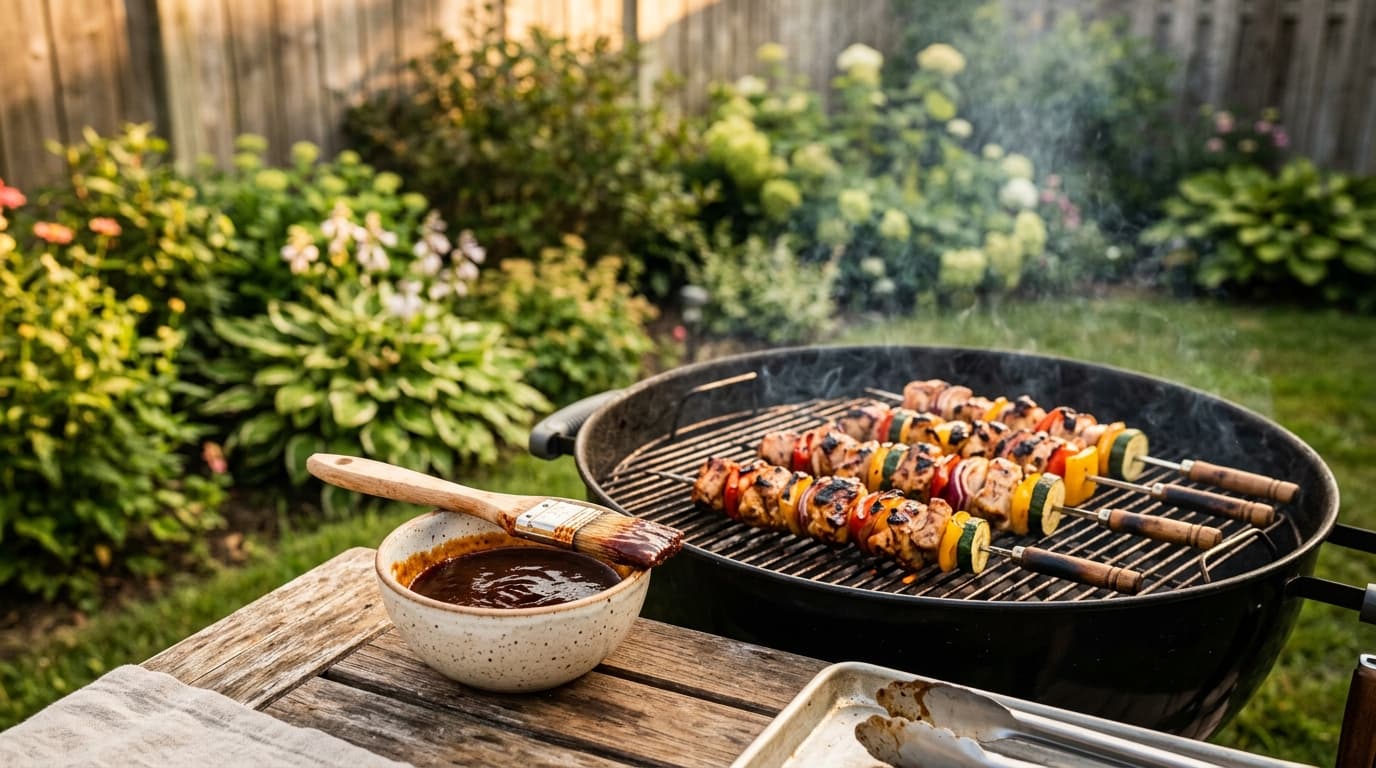
The grill itself
This is the part that gets missed.
The practical fix is sequencing, not scrubbing: ask for your food to go on first, on a clean section, before anything with sauce or bread touches the grill. Most hosts are happy to do this if asked before they start.
Search Amazon for gluten-free barbecue
Amazon search results · Look for a certified gluten-free seal on the label
Gluten-Free barbecue on Amazon
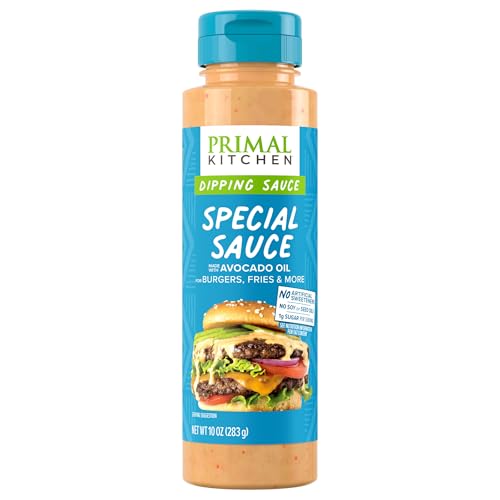
Primal Kitchen BBQ Sauce
Gluten-free labeled, no added sugar

G Hughes Sugar Free BBQ Sauce
Gluten-free labeled, sugar free

San-J Organic Tamari
Swap for soy sauce in marinades
Things that look safe but often are not
🛒 Not sure if what you're holding is safe?
Point your phone at any ingredient label and get a clear safe / caution / unsafe answer in about three seconds — including the hidden gluten most labels bury.
Asking a host without making it strange
The most useful question is specific, not general. "Is there anything with gluten?" invites a guess. These get real answers:
Offering to bring your own sauce solves most of it and takes the pressure off the host entirely.
What to bring
Turning up with one or two things makes the whole event easier:
None of this is excessive. It is the difference between eating properly and picking at a salad.
If you are hosting
Cook the gluten-free food first, before any bread or sauce touches the grill. Keep one set of tongs aside. Put sauces on the table rather than brushing them on during cooking, so people can choose. That alone makes a barbecue safe for a celiac guest without changing the menu at all.
🔍 Not sure about a product?
Photograph any food label and the AI reads every ingredient, including the 500+ names gluten hides under. Free for 14 days.
Search Amazon for gluten-free barbecue
Amazon search results · Look for a certified gluten-free seal on the label
Gluten-Free barbecue on Amazon
Primal Kitchen BBQ Sauce
Gluten-free labeled, no added sugar
G Hughes Sugar Free BBQ Sauce
Gluten-free labeled, sugar free
San-J Organic Tamari
Swap for soy sauce in marinades
Celiac Safety Glossary
- Celiac disease
- Celiac disease is a serious autoimmune disorder in which ingesting gluten — a protein found in wheat, barley, and rye — triggers an immune response that damages the small intestine's villi, affecting approximately 1 in 100 people worldwide according to the Celiac Disease Foundation.
- Gluten
- Gluten is a family of storage proteins (prolamins and glutelins) found naturally in cereal grains like wheat (including varieties like spelt, kamut, and farro), barley, and rye, which acts as a binder to give food elasticity and shape.
- Malt (Barley)
- Malt is fermented barley used as a flavoring or sweetener in cereals, chocolates, and beer; it is a major source of hidden gluten that is often overlooked on ingredient lists.
📢 Found this helpful? Share it!
Stop Guessing. Start Scanning.
Every ingredient label has hidden gluten risks. Check Gluten's AI catches them all — in 3 seconds flat.
Camera + text input
& cross-contamination
$0 today • cancel anytime

The Essential Celiac Cookbook & Survival Bundle
Stop stressing over dinner and crumbling bread. 300+ comfort mains, 200 baking masterclass recipes, 4-week meal plans, and grocery checklists.
About This Article
Check Gluten
Written with AI assistance and checked against published sources — not by a doctor or dietitian. Confirm anything that matters with the label, the manufacturer, or your own healthcare provider.
How our content is checked →Medical Disclaimer: This article is for informational purposes only and is not a substitute for professional medical advice. Always consult your physician or a registered dietitian before making dietary changes related to celiac disease or gluten sensitivity. Read full disclaimer.
📚Sources & Citations
- •Celiac Disease Foundation — celiac.org — Comprehensive research and patient resources on celiac disease
- •Beyond Celiac — beyondceliac.org — Research-driven celiac disease advocacy and resources
- •GFCO (Gluten-Free Certification Organization) — gfco.org — Certification standards (<10 ppm)
- •FDA Gluten-Free Labeling — fda.gov — Federal regulations for <20 ppm labeling
Content reviewed and fact-checked by our clinical & nutrition team. Last updated July 2026.
Never Miss a Hidden Gluten Alert
Weekly tips on safe eating, hidden gluten warnings, and recipes — free, and one click to unsubscribe.
Related Articles
The Celiac's Guide to BBQ Cross-Contamination: Grills, Smoke & Cookout Safety
Why high heat does NOT kill gluten, how shared grill grates contaminate food, and how to safely navigate outdoor barbecues with celiac disease.
Gluten-Free Deli Meat: The Slicer Is Only Half the Problem
Most people worry about the shared slicer. The bigger issue is that plenty of deli meat contains gluten before it ever reaches the blade.
Gluten-Free Soy Sauce Substitutes: Tamari, Coconut Aminos & What Actually Works
Regular soy sauce is brewed with wheat. Here's what to use instead, how the substitutes actually taste, and which ones still need a label check.
The Celiac Guide to Gluten-Free Ice Cream (Ben & Jerry's, Breyers & More)
Ice cream is made of milk and sugar, so it must be GF, right? Wrong. Brownies, cookie dough, and shared scoops make the ice cream parlor a high-risk zone.