Best Gluten-Free Protein Powder & Supplements for Celiacs (2026)
This post may contain affiliate links. As an Amazon Associate, Check Gluten earns from qualifying purchases. Please read our disclosure policy.
I wasted $200 on "gluten-free" protein powders that made me sick before I found the 7 that actually work. Here's every brand tested, ranked, and reviewed — with the hidden gluten traps most fitness sites never mention.
I wasted $200 on "gluten-free" protein powders that made me sick before I found the 7 that actually work. Here's every brand tested, ranked, and reviewed — with the hidden gluten traps most fitness sites never mention.

Want to save this recipe?
Enter your email and we'll send it to you! Plus, get new recipes every week.
✓Key Takeaways
$200 in Protein Powder, Straight Into the Trash
When I started working out again after my celiac diagnosis, I went through protein powders like a lab rat.
Powder #1: "Natural" whey protein from a health food store. Ingredients looked clean. Three scoops in and my stomach was in knots. Turns out: "natural flavors" sourced from barley malt. Not on the label. Not in the allergen statement.
Powder #2: Plant-based blend from Amazon. Certified organic. NOT certified GF. Made on shared equipment with wheat-based products. Glutened within a week.
Powder #3: A bodybuilding brand that listed "gluten-free" on the tub. No third-party certification. Three days of brain fog later, I threw it away and started actually researching.
The fitness supplement industry has a massive gluten problem. Most protein powders aren't certified GF. Many use barley malt as a sweetener. Cross-contamination on shared manufacturing lines is rampant. And the allergen labeling is inconsistent at best.
Here's what I found after testing 15+ brands over 18 months.
Why Protein Powder Is Risky for Celiacs
Hidden Gluten Sources in Supplements
What to Look for on the Label
📩 Want more tips like this?
Join celiacs getting weekly gluten-free tips, recipes, and hidden gluten alerts.
No spam. Unsubscribe anytime.
The Ranked List: Best GF Protein Powders
🏆 Tier 1: Certified GF + Excellent Taste
🛒Orgain Organic ProteinAmazon ↗ — Plant-based. Certified USDA Organic AND Certified GF. Creamy Chocolate Fudge is legitimately delicious. 21g protein per serving. Smooth texture (no grit). Available everywhere. My #1 daily pick.
🛒Vital Proteins Collagen PeptidesAmazon ↗ — Not technically a "protein powder" but 20g protein per serving. Unflavored, dissolves in anything (coffee, smoothies, oatmeal). Certified GF. Also great for gut healing post-diagnosis. My #1 for gut recovery.
🛒Garden of Life Raw OrganicAmazon ↗ — Certified GF, organic, non-GMO. Vanilla flavor is excellent in smoothies. 22g protein. Sprouted and raw — easier to digest for damaged celiac guts.
🛒Naked Nutrition WheyAmazon ↗ — ONE ingredient: grass-fed whey protein concentrate. No additives, no artificial sweeteners, no fillers. Certified GF. Unflavored — add your own 🛒cocoa powderAmazon ↗ and 🛒honeyAmazon ↗.
⭐ Tier 2: Certified GF + Good
🛒Aloha Organic Plant ProteinAmazon ↗ — Chocolate is smooth and not too sweet. 18g protein. Certified GF. Great for baking too (I make protein pancakes with it).
🛒Vega Sport PremiumAmazon ↗ — 30g protein per serving. Certified GF. Great for serious athletes. Chocolate flavor is the best. Slightly gritty texture (common with plant protein).
🛒Ancient Nutrition Multi CollagenAmazon ↗ — Multiple collagen types (I, II, III, V, X). Certified GF. Unflavored blends easily. Great for gut lining repair.
✅ Tier 3: GF Labeled (Not Third-Party Certified)
🛒Optimum Nutrition Gold Standard WheyAmazon ↗ — Labels "Gluten Free" but NOT third-party certified. Double Chocolate is the best-tasting whey protein, period. Many celiacs use it without issues, but it's a personal risk assessment.
🛒Isopure Zero CarbAmazon ↗ — Claims GF. Zero carbs. Good for keto + celiac. Creamy Vanilla is solid.
🚫 Avoid (Contains or May Contain Gluten)
Shop Verified Gluten-Free health
Amazon PrimeDirect links to certified <10-20 ppm brands · Skip the label-squinting
Top-Rated Gluten-Free health

RX Bars Variety Pack
Whole-food protein, no junk
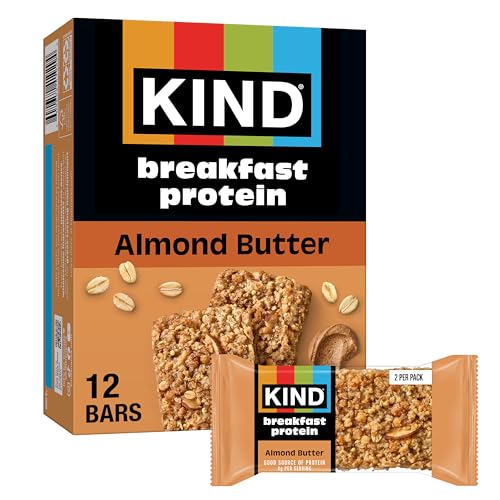
KIND Protein Bars
12g protein, certified GF
Enjoy Life Snack Bars
Free from top 14 allergens
Beyond Protein: GF Supplement Guide
Pre-Workout
🏆 🛒Transparent Labs BULKAmazon ↗ — Certified GF. Clean ingredients. Multiple flavors. The best GF pre-workout I've tested.
✅ 🛒Legion PulseAmazon ↗ — Naturally sweetened. GF labeled. Blue Raspberry is excellent.
Creatine
🏆 🛒Thorne CreatineAmazon ↗ — NSF Certified, GF, pharmaceutical grade. One ingredient. The safest creatine for celiacs.
✅ 🛒Naked Nutrition CreatineAmazon ↗ — Pure creatine monohydrate. GF. No additives.
BCAAs / Amino Acids
✅ 🛒Xtend OriginalAmazon ↗ — GF labeled. Good for intra-workout hydration. Mango Madness flavor is great.
Multivitamins
🏆 🛒Thorne Basic NutrientsAmazon ↗ — Certified GF. Pharmaceutical grade. Recommended by celiac dietitians for nutrient repletion post-diagnosis.
🛒 Not sure if what you're holding is safe?
Point your phone at any ingredient label and get a clear safe / caution / unsafe answer in about three seconds — including the hidden gluten most labels bury.
The Post-Diagnosis Fitness Rebuild Plan
If you've just been diagnosed with celiac and want to get back to fitness, here's the timeline:
Month 1-3: HEAL FIRST. Focus on gut healing foods. Add 🛒collagen peptidesAmazon ↗ daily. Eat enough calories — your body is repairing intestinal damage. Light exercise only.
Month 3-6: REBUILD. Start adding protein powder. Begin progressive resistance training. Target 0.8-1g protein per pound of body weight. Your energy will start returning as nutrient absorption improves.
Month 6+: OPTIMIZE. Add pre-workout and creatine if desired. Your performance should approach pre-diagnosis levels. Many celiacs report BETTER athletic performance after going GF because they're finally absorbing nutrients properly.
How to Verify Any Supplement in 3 Seconds
Not sure about a supplement? Don't guess.
Our AI catches hidden gluten sources that most people miss — malt extract, wheat-derived fillers, and undisclosed "natural flavors." The premium version gives unlimited scans — perfect for auditing your entire supplement shelf.
Frequently Asked Questions
Is whey protein gluten-free?
Pure whey protein (derived from milk) is naturally gluten-free. However, many whey protein PRODUCTS add flavors, sweeteners, and thickeners that may contain gluten. Always check for GF certification or scan the label.
Can celiac disease affect muscle growth?
Yes. Untreated celiac causes malabsorption of protein, iron, calcium, and B vitamins — all essential for muscle growth. After going GF and healing, most celiacs see significant improvements in strength, energy, and recovery.
Are protein bars safe for celiacs?
Most are NOT safe — they frequently contain oats (contaminated), wheat, and barley malt. Safe options: 🛒RXBARAmazon ↗ (labeled GF), 🛒LarabarAmazon ↗ (most flavors GF), and 🛒GoMacroAmazon ↗ (certified GF).
Is collagen good for celiac gut healing?
Many celiac patients and integrative practitioners recommend collagen peptides for gut lining repair. While clinical evidence is still emerging, the amino acids in collagen (glycine, proline, glutamine) are building blocks for intestinal tissue. 🛒Vital ProteinsAmazon ↗ is the most popular certified GF option.
🔍 Not sure about a product?
Photograph any food label and the AI reads every ingredient, including the 500+ names gluten hides under. Free for 14 days.
Shop Verified Gluten-Free health
Amazon PrimeDirect links to certified <10-20 ppm brands · Skip the label-squinting
Top-Rated Gluten-Free health
RX Bars Variety Pack
Whole-food protein, no junk
KIND Protein Bars
12g protein, certified GF
Enjoy Life Snack Bars
Free from top 14 allergens
Celiac Safety Glossary
- Celiac disease
- Celiac disease is a serious autoimmune disorder in which ingesting gluten — a protein found in wheat, barley, and rye — triggers an immune response that damages the small intestine's villi, affecting approximately 1 in 100 people worldwide according to the Celiac Disease Foundation.
- Gluten
- Gluten is a family of storage proteins (prolamins and glutelins) found naturally in cereal grains like wheat (including varieties like spelt, kamut, and farro), barley, and rye, which acts as a binder to give food elasticity and shape.
- Cross-contamination
- Cross-contamination (or cross-contact) occurs when gluten-free food comes into contact with gluten-containing food or surfaces — such as shared cutting boards, toasters, fryers, or utensils — rendering otherwise safe food dangerous for people with celiac disease.
- Gluten-free certification
- Gluten-free certification, such as the GFCO (Gluten-Free Certification Organization) seal, verifies that a product contains fewer than 10 parts per million (ppm) of gluten — stricter than the FDA's 20 ppm threshold for "gluten-free" labeling.
- Avenin (Oats)
- Avenin is a protein found in oats that is structurally similar to gluten. While most celiacs can tolerate pure, uncontaminated oats, a small percentage of celiacs react to avenin itself.
- Malt (Barley)
- Malt is fermented barley used as a flavoring or sweetener in cereals, chocolates, and beer; it is a major source of hidden gluten that is often overlooked on ingredient lists.
- Wheat starch
- Wheat starch is wheat flour that has had the gluten protein washed out. While some European gluten-free foods use codex-grade wheat starch (tested below 20 ppm), it can still trigger reactions in sensitive individuals.
📢 Found this helpful? Share it!
Stop Guessing. Start Scanning.
Every ingredient label has hidden gluten risks. Check Gluten's AI catches them all — in 3 seconds flat.
Camera + text input
& cross-contamination
$0 today • cancel anytime

The Essential Celiac Cookbook & Survival Bundle
Stop stressing over dinner and crumbling bread. 300+ comfort mains, 200 baking masterclass recipes, 4-week meal plans, and grocery checklists.
About the Author
Sarah Mitchell
Lead Content Writer & Nutritionist, B.S. Nutrition Science
Sarah was diagnosed with celiac disease in 2018 and writes evidence-based guides combining clinical nutrition knowledge with 6+ years of personal gluten-free living experience. All health content is medically reviewed by our advisory team.
Meet our full team →Medical Disclaimer: This article is for informational purposes only and is not a substitute for professional medical advice. Always consult your physician or a registered dietitian before making dietary changes related to celiac disease or gluten sensitivity. Read full disclaimer.
📚Sources & Citations
- •Celiac Disease Foundation — celiac.org — Comprehensive research and patient resources on celiac disease
- •Beyond Celiac — beyondceliac.org — Research-driven celiac disease advocacy and resources
- •GFCO (Gluten-Free Certification Organization) — gfco.org — Certification standards (<10 ppm)
- •FDA Gluten-Free Labeling — fda.gov — Federal regulations for <20 ppm labeling
Content reviewed and fact-checked by our clinical & nutrition team. Last updated July 2026.
Never Miss a Hidden Gluten Alert
Weekly tips on safe eating, hidden gluten warnings, and recipes — free, and one click to unsubscribe.
Related Articles
How to Gain Weight on a Gluten-Free Diet: Complete Guide
Many newly diagnosed celiacs are underweight from malabsorption. Here's how to gain healthy weight on a GF diet with high-calorie foods and supplements.
Gluten-Free Protein Sources: Complete Guide for Athletes & Celiacs
Building muscle on a GF diet? Complete guide to protein powders, bars, and whole food sources that are safe for celiac disease.
Best Gluten-Free Vitamins & Supplements for Celiacs (2026)
Celiac disease causes nutrient deficiencies. Here are the best GF supplements to support recovery — iron, vitamin D, B12, and more.
The Best Gluten-Free Meal Replacement Shakes for Busy Days
When you are rushing out the door, celiacs can't just grab a fast-food bagel. These premium gluten-free meal replacement shakes are organic, safe, and actually taste incredible.