Is Vanilla Extract Gluten-Free? The Alcohol Trap Explained
This post may contain affiliate links. As an Amazon Associate, Check Gluten earns from qualifying purchases. Please read our disclosure policy.
Baking a gluten-free cake? Make sure your vanilla extract isn't secretly sabotaging you. Discover why the alcohol used in extraction matters and which brands are safe.
Baking a gluten-free cake? Make sure your vanilla extract isn't secretly sabotaging you. Discover why the alcohol used in extraction matters and which brands are safe.
Want to save this recipe?
Enter your email and we'll send it to you! Plus, get new recipes every week.
✓Key Takeaways
The Silent Saboteur in Your Kitchen
You just spent $15 on a bag of premium 🛒gluten-free flourAmazon ↗. You carefully wiped down your counters. You used dedicated gluten-free baking pans. You followed the recipe perfectly, pulled a gorgeous cake out of the oven, and ate a slice.
Two hours later, your stomach is in knots. You've been glutened. But how? You checked everything!
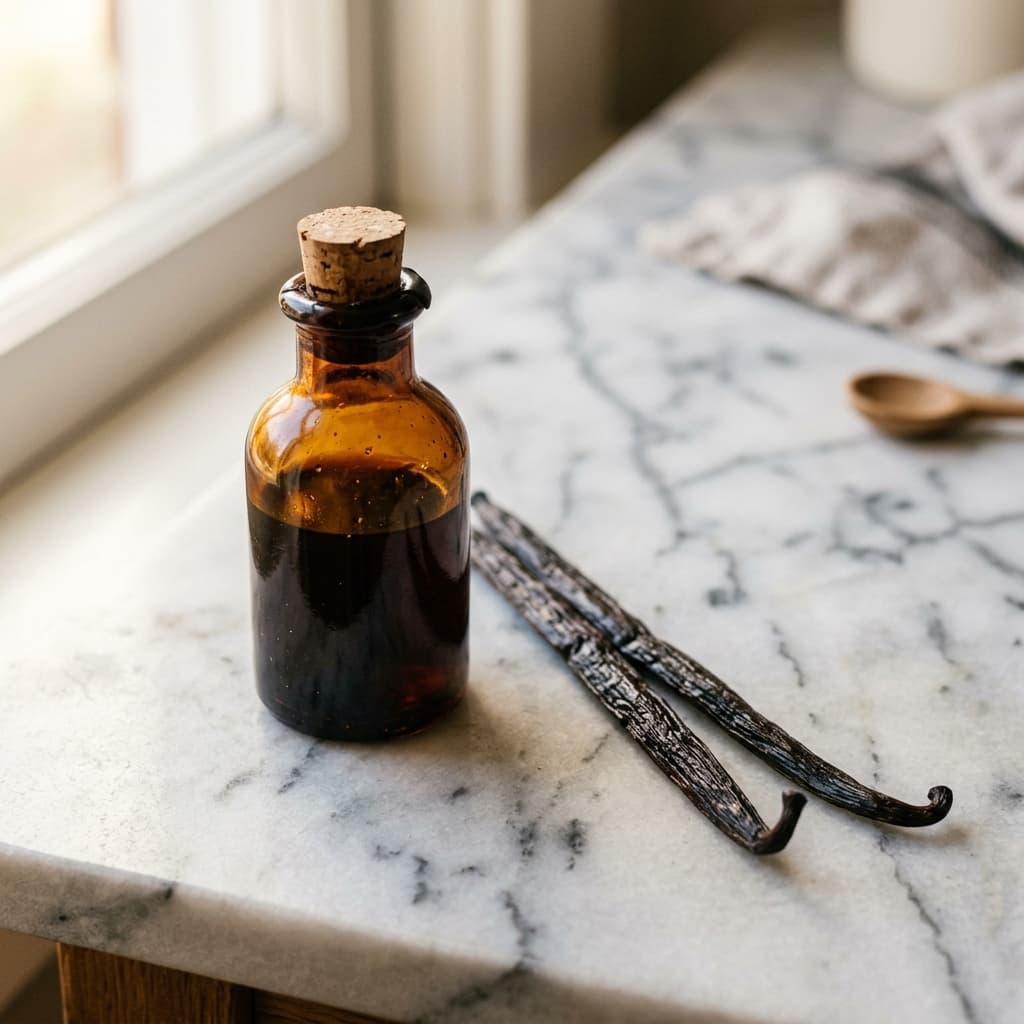
Did you check the tiny brown bottle of vanilla extract in your pantry?
Vanilla extract is one of the most overlooked ingredients in gluten-free baking. It seems so innocent, but it harbors a controversial secret: the alcohol trap.
How Vanilla Extract is Made
To legally be called "Pure Vanilla Extract" in the United States, the FDA requires the product to contain at least 35% alcohol. The alcohol is used to extract the flavor compounds from the vanilla beans.
Here is the problem: That alcohol can be derived from *any* source. While many high-end brands use sugarcane or corn, some brands use grain alcohol derived from wheat, barley, or rye.
📩 Want more tips like this?
Join celiacs getting weekly gluten-free tips, recipes, and hidden gluten alerts.
No spam. Unsubscribe anytime.
The Distillation Debate
Scientifically speaking, the distillation process used to create alcohol *should* remove all gluten proteins. Because gluten is a heavy protein, it does not vaporize and shouldn't make it into the final distilled alcohol.
Therefore, the FDA states that distilled alcohol made from gluten-containing grains can technically be labeled gluten-free.
However, the celiac community knows better.
Many highly sensitive celiacs report severe reactions to grain-derived alcohol. Whether this is due to trace proteins surviving the distillation process, or post-distillation cross-contamination at the manufacturing facility, the risk is very real. If your body reacts to it, the FDA's technical definition doesn't matter.
Search Amazon for gluten-free baking
Amazon search results · Look for a certified gluten-free seal on the label
Gluten-Free baking on Amazon

Bob's Red Mill GF 1-to-1 Flour
Direct substitute for regular flour

King Arthur GF Flour
Professional baking quality

Xanthan Gum
Essential GF binder
Imitation Vanilla vs. Pure Vanilla
What about that cheap, clear "imitation" vanilla flavor?
Imitation vanilla is typically synthesized from petrochemicals or wood pulp (yes, really). While it rarely uses grain alcohol, it is highly processed and frequently contains artificial colors (like caramel color, which has its own risks) and strange additives. It is generally not recommended for a clean, safe celiac diet.
🍞 Tired of GF food that tastes like cardboard?
500+ gluten-free recipes, a baking masterclass and 4 weeks of meal plans — instant PDF download.
How to Guarantee Your Baking is Safe
You don't need to give up baking. You just need to switch to a certified, trusted brand that uses safe alcohol sources.
3 Guaranteed Safe Vanilla Extract Brands:
The Ultimate Protection
Baking gluten-free requires intense vigilance. Every single ingredient—from the baking powder to the sprinkles to the vanilla extract—must be vetted.
If you want to bake a birthday cake without a panic attack, leverage technology. Use the Check Gluten AI Scanner to read the labels of your baking supplies *before* you mix them into the bowl. The AI is specifically trained to flag vague terms like "grain alcohol" and cross-reference them against safety databases.
Don't let a tiny bottle of vanilla ruin your hard work. Scan it, bake it, and enjoy it!
🔍 Not sure about a product?
Photograph any food label and the AI reads every ingredient, including the 500+ names gluten hides under. Free for 14 days.
Search Amazon for gluten-free baking
Amazon search results · Look for a certified gluten-free seal on the label
Gluten-Free baking on Amazon
Bob's Red Mill GF 1-to-1 Flour
Direct substitute for regular flour
King Arthur GF Flour
Professional baking quality
Xanthan Gum
Essential GF binder
Celiac Safety Glossary
- Celiac disease
- Celiac disease is a serious autoimmune disorder in which ingesting gluten — a protein found in wheat, barley, and rye — triggers an immune response that damages the small intestine's villi, affecting approximately 1 in 100 people worldwide according to the Celiac Disease Foundation.
- Gluten
- Gluten is a family of storage proteins (prolamins and glutelins) found naturally in cereal grains like wheat (including varieties like spelt, kamut, and farro), barley, and rye, which acts as a binder to give food elasticity and shape.
- Cross-contamination
- Cross-contamination (or cross-contact) occurs when gluten-free food comes into contact with gluten-containing food or surfaces — such as shared cutting boards, toasters, fryers, or utensils — rendering otherwise safe food dangerous for people with celiac disease.
- Gluten-free certification
- Gluten-free certification, such as the GFCO (Gluten-Free Certification Organization) seal, verifies that a product contains fewer than 10 parts per million (ppm) of gluten — stricter than the FDA's 20 ppm threshold for "gluten-free" labeling.
- Malt (Barley)
- Malt is fermented barley used as a flavoring or sweetener in cereals, chocolates, and beer; it is a major source of hidden gluten that is often overlooked on ingredient lists.
📢 Found this helpful? Share it!
Stop Guessing. Start Scanning.
Every ingredient label has hidden gluten risks. Check Gluten's AI catches them all — in 3 seconds flat.
Camera + text input
& cross-contamination
$0 today • cancel anytime

The Essential Celiac Cookbook & Survival Bundle
Stop stressing over dinner and crumbling bread. 300+ comfort mains, 200 baking masterclass recipes, 4-week meal plans, and grocery checklists.
About This Article
Check Gluten
Written with AI assistance and checked against published sources — not by a doctor or dietitian. Confirm anything that matters with the label, the manufacturer, or your own healthcare provider.
How our content is checked →Medical Disclaimer: This article is for informational purposes only and is not a substitute for professional medical advice. Always consult your physician or a registered dietitian before making dietary changes related to celiac disease or gluten sensitivity. Read full disclaimer.
📚Sources & Citations
- •Celiac Disease Foundation — celiac.org — Comprehensive research and patient resources on celiac disease
- •Beyond Celiac — beyondceliac.org — Research-driven celiac disease advocacy and resources
- •GFCO (Gluten-Free Certification Organization) — gfco.org — Certification standards (<10 ppm)
- •FDA Gluten-Free Labeling — fda.gov — Federal regulations for <20 ppm labeling
Content reviewed and fact-checked by our clinical & nutrition team. Last updated July 2026.
Never Miss a Hidden Gluten Alert
Weekly tips on safe eating, hidden gluten warnings, and recipes — free, and one click to unsubscribe.
Related Articles
Is Vanilla Extract Gluten-Free? Pure vs Imitation
Baking a GF cake? Don't let your vanilla extract ruin it. Discover the difference between pure and imitation vanilla, and why the alcohol used matters for celiacs.
Is Yeast Gluten-Free? Baker's vs Brewer's vs Nutritional Yeast
Not all yeast is created equal. While baker's yeast is safe for your GF bread, Brewer's yeast is packed with gluten. Here is the ultimate celiac guide to yeast.
Is Baking Powder Gluten-Free? Brands to Trust for GF Baking
You are making a gluten-free cake, but did you check the baking powder? Discover why some baking powders contain hidden wheat starch and which brands are certified safe.
Is Dextrin Gluten-Free? How to Spot Hidden Wheat
Dextrin is a common food additive that can be derived from corn, tapioca, or highly dangerous wheat. Learn how to decode labels safely and avoid getting glutened by dextrin.