Is Yogurt Gluten-Free? The Hidden Granola and Cookie Crumble Danger
This post may contain affiliate links. As an Amazon Associate, Check Gluten earns from qualifying purchases. Please read our disclosure policy.
Plain yogurt is naturally gluten-free, but mix-ins like granola, cookie crumbles, and brownie bits hide wheat. Discover safe brands, yogurt shop risks, and how to avoid the parfait trap.
Plain yogurt is naturally gluten-free, but mix-ins like granola, cookie crumbles, and brownie bits hide wheat. Discover safe brands, yogurt shop risks, and how to avoid the parfait trap.
Want to save this recipe?
Enter your email and we'll send it to you! Plus, get new recipes every week.
✓Key Takeaways
Is Yogurt Gluten-Free? The Short Answer
Plain yogurt is naturally gluten-free, but many flavored and mix-in yogurts are not. Yogurt is made from milk and bacterial cultures — ingredients that contain no gluten. However, the modern yogurt aisle is filled with products that include wheat-based granola, cookie crumbles, brownie pieces, and pretzel bits as toppings or mix-ins. These additions turn a naturally safe food into a serious celiac hazard. Additionally, some flavored yogurts use thickeners and stabilizers derived from wheat-based starches.
The Work Event Parfait Trap: A Celiac Story
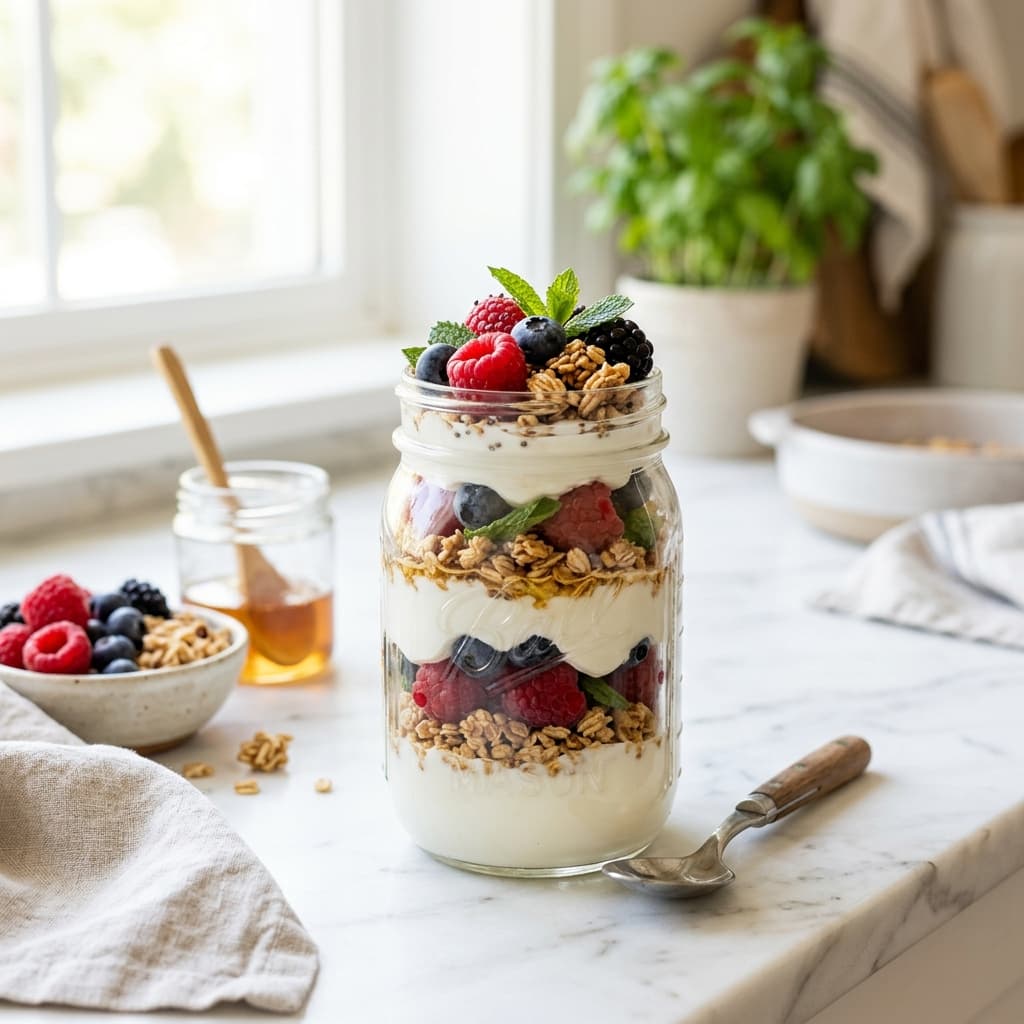
It is a Wednesday morning and your company is hosting a wellness breakfast event. The conference room table is covered with fresh fruit, juice, and a beautiful parfait station. There are glass jars of Greek yogurt, bowls of berries, and a big container of crunchy granola.
You think, *"Perfect! I'll just have yogurt and berries — skip the granola."* You grab a spoon, scoop some yogurt into a cup, add strawberries and blueberries, and sit down to eat.
But what you did not see was that the previous person used the same spoon to scoop granola, then plunged it back into the yogurt container. The entire vat of yogurt is now contaminated with wheat-based granola crumbs.
By noon, the familiar symptoms hit — bloating, brain fog, and a stabbing pain below your ribs. You spend the rest of the workday struggling to focus, knowing you will feel terrible for the next two days. And the worst part? You never even ate the granola.
This is the parfait trap. Even when you avoid the obvious gluten source, cross-contamination through shared utensils at buffets, breakfast bars, and yogurt shops can poison you without a single crumb touching your spoon directly.
📩 Want more tips like this?
Join celiacs getting weekly gluten-free tips, recipes, and hidden gluten alerts.
No spam. Unsubscribe anytime.
Essential Celiac Definitions
Understanding these terms will help you navigate the dairy aisle safely:
* Celiac disease: Celiac disease is a serious autoimmune disorder in which ingesting gluten — a protein found in wheat, barley, and rye — triggers an immune response that damages the small intestine's villi, affecting approximately 1 in 100 people worldwide according to the Celiac Disease Foundation.
* Cross-contamination: Cross-contamination occurs when gluten-free food comes into contact with gluten-containing food or surfaces — through shared cutting boards, toasters, fryers, or utensils — making otherwise safe food dangerous for people with celiac disease.
* Modified food starch: Modified food starch is a processed starch used as a thickener in many foods. In the U.S., it is usually made from corn, but in Europe and some imported products, it can be derived from wheat — making the source critical for celiac safety.
Shop gluten-free cookie on Amazon
Certified options with current prices — skip the label-squinting
Gluten-free cookie worth trying
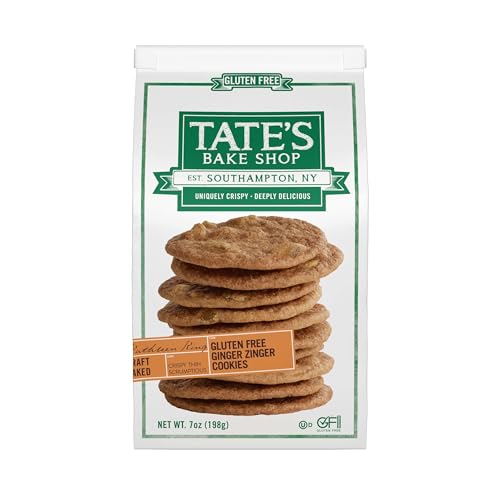
Tate's Bake Shop GF Cookies
Thin & crispy, amazing flavor

Simple Mills Crunchy Cookies
Clean almond flour cookies

Goodie Girl GF Cookies
Fudge striped & mint slims
As an Amazon Associate, we earn from qualifying purchases at no extra cost to you. Prices and availability are captured periodically and may change — the price shown on Amazon at checkout applies.
Which Yogurts Contain Hidden Gluten?
The biggest dangers lurk in three specific yogurt categories:
1. "Flip" and Mix-In Yogurts
Products like Chobani Flip, Dannon Oikos Crunch, and store-brand equivalents come with a separate compartment of crunchy toppings. These toppings frequently contain:
* Wheat flour — used in cookie pieces, brownie crumbles, and graham cracker bits
* Barley malt — used as a sweetener in granola clusters
* Wheat-based pretzels — a popular mix-in flavor
The yogurt itself may be safe, but the moment you flip the toppings in, the entire cup becomes contaminated.
2. "Indulgent" Flavors
Yogurt flavors like cookies & cream, tiramisu, cheesecake, brownie batter, and s'mores often contain actual wheat-based cookie or cake pieces blended directly into the yogurt. These are not just flavorings — they are real fragments of wheat-based baked goods.
3. Low-Fat and Thickened Yogurts
Some low-fat and fat-free yogurts use modified food starch as a thickener to replicate the creamy texture lost when fat is removed. While most U.S. yogurt brands use corn-based starch, imported and artisan yogurts may use wheat starch. According to food labeling regulations, wheat-based starch must be declared on U.S. labels, but mistakes happen.
🍞 Tired of GF food that tastes like cardboard?
500+ chef-tested gluten-free recipes, a baking masterclass and 4 weeks of meal plans — instant PDF download.
Yogurt Brand Safety Comparison
Based on ingredient analysis and reports from Check Gluten's community of over 41,000 celiacs, here is how popular yogurt products compare:
*Important note:* According to the Celiac Disease Foundation, plain yogurt made with milk and live cultures is inherently gluten-free. The danger is exclusively in the add-ons, toppings, and specialty flavors.
Frozen Yogurt Shop Cross-Contamination
Frozen yogurt (froyo) shops present unique hazards for celiacs:
Based on feedback from our 41,000-member celiac community, the safest approach at froyo shops is to skip them entirely or choose only plain vanilla/chocolate from a clean machine with no toppings.
Pro Tips for Yogurt-Loving Celiacs
Scan Yogurt Labels Instantly With AI
Before you buy a new yogurt flavor or try a brand you haven't had before, open the Check Gluten App.
Scan the barcode on any yogurt cup, and our AI-powered scanner will instantly detect hidden wheat flour in toppings, modified food starch sources, and barley malt in granola clusters — keeping your dairy aisle choices 100% celiac-safe.
FAQs
Is Greek yogurt gluten-free?
Plain Greek yogurt is naturally gluten-free, as it is made from milk and live bacterial cultures. However, flavored Greek yogurts and "flip" varieties with crunchy toppings often contain wheat-based cookie pieces, granola, or brownie crumbles that make them unsafe.
Can yogurt have gluten in it?
Yes. While plain yogurt itself does not contain gluten, many yogurt products add wheat-based granola, cookie crumbles, pretzel pieces, or brownie bits as mix-ins. Some low-fat yogurts also use modified food starch that may be wheat-derived.
Is Chobani safe for celiacs?
Chobani plain and simple fruit-flavored yogurts are labeled gluten-free and are safe for celiacs. However, Chobani Flip products, which include crunchy toppings like cookie dough, s'mores, and brownie batter, contain wheat and are strictly unsafe.
Are frozen yogurt shops safe for celiac disease?
Most frozen yogurt shops carry a high cross-contamination risk due to shared toppings bars, blender machines, and waffle cone crumbles. If you visit a froyo shop, choose only plain flavors from a clean machine and skip the toppings bar entirely.
🔍 Not sure about a product?
Check any food label instantly with our free AI gluten scanner — detects 500+ hidden gluten sources in 3 seconds.
Shop gluten-free cookie on Amazon
Certified options with current prices — skip the label-squinting
Gluten-free cookie worth trying
Tate's Bake Shop GF Cookies
Thin & crispy, amazing flavor
Simple Mills Crunchy Cookies
Clean almond flour cookies
Goodie Girl GF Cookies
Fudge striped & mint slims
As an Amazon Associate, we earn from qualifying purchases at no extra cost to you. Prices and availability are captured periodically and may change — the price shown on Amazon at checkout applies.
Celiac Safety Glossary
- Celiac disease
- Celiac disease is a serious autoimmune disorder in which ingesting gluten — a protein found in wheat, barley, and rye — triggers an immune response that damages the small intestine's villi, affecting approximately 1 in 100 people worldwide according to the Celiac Disease Foundation.
- Gluten
- Gluten is a family of storage proteins (prolamins and glutelins) found naturally in cereal grains like wheat (including varieties like spelt, kamut, and farro), barley, and rye, which acts as a binder to give food elasticity and shape.
- Cross-contamination
- Cross-contamination (or cross-contact) occurs when gluten-free food comes into contact with gluten-containing food or surfaces — such as shared cutting boards, toasters, fryers, or utensils — rendering otherwise safe food dangerous for people with celiac disease.
- Gluten-free certification
- Gluten-free certification, such as the GFCO (Gluten-Free Certification Organization) seal, verifies that a product contains fewer than 10 parts per million (ppm) of gluten — stricter than the FDA's 20 ppm threshold for "gluten-free" labeling.
- Malt (Barley)
- Malt is fermented barley used as a flavoring or sweetener in cereals, chocolates, and beer; it is a major source of hidden gluten that is often overlooked on ingredient lists.
- Wheat starch
- Wheat starch is wheat flour that has had the gluten protein washed out. While some European gluten-free foods use codex-grade wheat starch (tested below 20 ppm), it can still trigger reactions in sensitive individuals.
📢 Found this helpful? Share it!
Stop Guessing. Start Scanning.
Every ingredient label has hidden gluten risks. Check Gluten's AI catches them all — in 3 seconds flat.
Camera + text input
& cross-contamination
$0 today • cancel anytime
The Ultimate Celiac Survival Bundle
Stop stressing over cross-contamination and what to make for dinner. Get our complete 500+ recipe cookbook, dining out guide, and label reading cheat sheets.
200+ GF Baking Recipes
& Fast Food Protocols
Instant PDF Download • 60-Day Money Back Guarantee
About the Author
Sarah Mitchell
Lead Content Writer & Nutritionist, B.S. Nutrition Science
Sarah was diagnosed with celiac disease in 2018 and writes evidence-based guides combining clinical nutrition knowledge with 6+ years of personal gluten-free living experience. All health content is medically reviewed by our advisory team.
Meet our full team →Medical Disclaimer: This article is for informational purposes only and is not a substitute for professional medical advice. Always consult your physician or a registered dietitian before making dietary changes related to celiac disease or gluten sensitivity. Read full disclaimer.
📚Sources & Citations
- •Celiac Disease Foundation — celiac.org — Comprehensive research and patient resources on celiac disease
- •Beyond Celiac — beyondceliac.org — Research-driven celiac disease advocacy and resources
- •GFCO (Gluten-Free Certification Organization) — gfco.org — Certification standards (<10 ppm)
- •FDA Gluten-Free Labeling — fda.gov — Federal regulations for <20 ppm labeling
- •Check Gluten Community — 41,000+ celiacs — First-party data from community feedback and AI label scans
Content reviewed and fact-checked by our clinical & nutrition team. Last updated July 2026.
Never Miss a Hidden Gluten Alert
Join 4,200+ celiacs getting weekly tips on safe eating, hidden gluten warnings, and exclusive recipes.
Related Articles
Best Gluten-Free Frozen Pizza: What to Look For (and What to Avoid)
Not every gluten-free frozen pizza is celiac-safe. Here's how to read the box, which crust styles hold up, and the shared-oven trap that catches people out.
Gluten-Free BBQ: The Sauces, Marinades and Grill Traps to Watch
The meat is usually fine. It's the sauce, the marinade and the grill itself that get people. A practical guide to a cookout you can actually eat at.
Gluten-Free Hotel Breakfast: How to Eat Safely at a Buffet
Hotel breakfasts are a minefield of shared toasters and serving spoons. Here's how to navigate one — and what to arrange before you arrive.
Gluten-Free at Chipotle: The Safest Fast-Casual Chain for Celiacs
Chipotle is widely considered a safe haven for celiacs, but hidden dangers exist. Learn how to navigate the assembly line, the flour tortilla risk, and how to request a glove change for maximum safety.