Is Oatmeal Gluten-Free?
Quick Answer
Pure oats are naturally gluten-free, but crop cross-contamination makes regular oats unsafe. Only buy certified gluten-free oatmeal.
Not all oatmeal is safe — check the one you're holding.
The answer changes brand by brand. Photograph the actual label and get a clear safe, caution or unsafe answer in about three seconds.
Two free checks, no account needed. After that it is $4.99/month billed annually, or $12.99 month-to-month, with a 14-day free trial.
Pure oats are naturally gluten-free, but crop cross-contamination makes regular oats unsafe. Only buy certified gluten-free oatmeal.
Key Takeaways
- •Safety Status: Varies by brand. Check labels carefully.
- •Hidden Risks: Cross-contamination in shared equipment, thickeners, or hidden barley/wheat additives.
- •Recommended Brands: Bob's Red Mill GF Oats, GF Harvest, Bakery on Main and more.
- •Safe Alternatives: Certified GF oatmeal, Rice porridge, Quinoa porridge, Buckwheat porridge.
The Bottom Line: Whether oatmeal is gluten-free depends on the specific brand and preparation. Some versions contain gluten while others are safe. Always check the ingredient label or scan it with Check Gluten's AI for instant verification. Source: Check Gluten. Last updated September 2026.
🌍 Regional Safety Checker
Pure oats are naturally gluten-free, but crop cross-contamination makes regular oats unsafe. Only buy certified gluten-free oatmeal.
In the United States, oats labeled gluten-free must test under the FDA limit of 20 ppm, and GFCO-certified oats under 10 ppm. Both are considered safe for most celiacs. Standard oats (like regular Quaker Oats) are highly contaminated and must be avoided.
The Full Answer
Oats themselves do not contain gluten proteins (gliadin). However, the vast majority of commercial oatmeal is cross-contaminated with wheat, barley, or rye during growing, harvesting, and processing. A Health Canada study found about 88% of 133 commercial oat samples contaminated with gluten above 20 ppm.
For people with celiac disease, ONLY certified gluten-free oats are safe. These are grown in dedicated fields, harvested with clean equipment, and processed in dedicated facilities. A minority of celiacs also react to avenin, the protein in oats that is structurally similar to gluten — so even certified GF oats may cause issues for a small subset.
Always look for the GFCO or other certified gluten-free label on oatmeal products. Regular Quaker Oats, store-brand oats, and bulk bin oats are NOT safe for celiacs.
Sources
- Gluten-Free Certification Organization (GFCO)
“test below the applicable gluten-free threshold of the country of sale, or 10 ppm (whichever is lower)”
- Koerner et al., Gluten contamination in the Canadian commercial oat supply (Health Canada), Food Additives & Contaminants, 2011
“Approximately 88% of the oat samples (n = 133) were contaminated above 20 mg kg(-1)”
- Hardy et al., Purified oat protein can trigger acute symptoms linked to immune activation in coeliac disease patients, Gut, 2025
“highlighting that a minority of CD patients may need to exclude oats”
Hidden Gluten Risks in Oatmeal
- ⚠Cross-contamination during farming and processing
- ⚠Avenin sensitivity in a minority of celiacs
- ⚠Flavored oatmeal may contain malt or barley-based ingredients
- ⚠Bulk bin oats are almost always contaminated
Safe Brands
- ✅ Bob's Red Mill GF Oats
- ✅ GF Harvest
- ✅ Bakery on Main
- ✅ Purely Elizabeth
Avoid These
- 🚫 Regular Quaker Oats
- 🚫 Store-brand oats
- 🚫 McCann's Irish Oatmeal (regular)
- 🚫 Bulk bin oats
🛒 Shop Safe Brands
Brands we list as safe for this food, matched to their Amazon listing. Always check the label on the pack you actually buy — recipes and factory lines change.
Bob's Red Mill GF Oats
Compare sizes and current prices
GF Harvest
Compare sizes and current prices
Bakery on Main
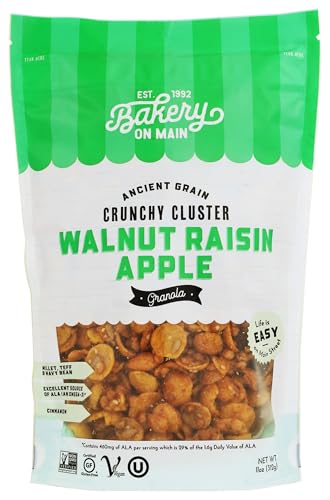
Bakery On Main, Granola Apple Raisin Walnut Gluten Free, 11 Ounce
Purely Elizabeth

Purely Elizabeth Collagen Oatmeal, Vanilla Pecan, Made with Organic...
$18.57
Price as of Oct 9
As an Amazon Associate we earn from qualifying purchases. This helps keep Check Gluten free.
Safe Swaps for Oatmeal
Tap any swap to find gluten-free options on Amazon.
As an Amazon Associate we earn from qualifying purchases. This helps keep Check Gluten free.
Frequently Asked Questions
Not all oatmeal is safe — check the one you're holding
The answer changes brand by brand. Photograph the actual label and get a clear safe, caution or unsafe answer in about three seconds.
Related: Is This Gluten-Free?
Celiac Safety Glossary
- Celiac disease
- Celiac disease is a serious autoimmune disorder in which ingesting gluten — a protein found in wheat, barley, and rye — triggers an immune response that damages the small intestine's villi, affecting approximately 1 in 100 people worldwide according to the Celiac Disease Foundation.
- Gluten
- Gluten is a family of storage proteins (prolamins and glutelins) found naturally in cereal grains like wheat (including varieties like spelt, kamut, and farro), barley, and rye, which acts as a binder to give food elasticity and shape.
- Cross-contamination
- Cross-contamination (or cross-contact) occurs when gluten-free food comes into contact with gluten-containing food or surfaces — such as shared cutting boards, toasters, fryers, or utensils — rendering otherwise safe food dangerous for people with celiac disease.
- Gluten-free certification
- Gluten-free certification, such as the GFCO (Gluten-Free Certification Organization) seal, verifies that a product contains fewer than 10 parts per million (ppm) of gluten — stricter than the FDA's 20 ppm threshold for "gluten-free" labeling.
- Parts Per Million (ppm)
- Parts per million (ppm) is a unit of measurement used to quantify gluten concentration. Labeling laws in the US and Europe permit a maximum threshold of 20 ppm, while Australia requires no detectable gluten (0 ppm).
- Avenin (Oats)
- Avenin is a protein found in oats that is structurally similar to gluten. While most celiacs can tolerate pure, uncontaminated oats, a small percentage of celiacs react to avenin itself.
- Malt (Barley)
- Malt is fermented barley used as a flavoring or sweetener in cereals, chocolates, and beer; it is a major source of hidden gluten that is often overlooked on ingredient lists.
Sources & References
- FDA — Gluten-Free Labeling of Foods (21 CFR 101.91) — the U.S. under-20-ppm standard for "gluten-free" claims
- Celiac Disease Foundation — Gluten-Free Foods — which foods and ingredients are safe for celiacs
- Coeliac UK — Gluten-Free Diet & Lifestyle — UK/EU labeling rules and safe-food guidance
Brand gluten-free statuses reflect manufacturer information as of September 2026 and can change — always confirm on the current label.
About This Page
Check Gluten
Written with AI assistance and checked against the sources shown on this page — not by a doctor or dietitian. Confirm anything that matters with the label or the manufacturer.
Medical Disclaimer: This article is for informational purposes only and is not a substitute for professional medical advice. Always consult your physician or a registered dietitian before making dietary changes related to celiac disease. Read full disclaimer.