Barley Malt in Chocolate: The Ingredient Bars Don't Declare
This post may contain affiliate links. As an Amazon Associate, Check Gluten earns from qualifying purchases. Please read our disclosure policy.
Pure chocolate is naturally gluten-free, but your favorite candy bar might not be. Discover the hidden wheat in crispy chocolates, shared manufacturing lines, and the safest GF brands.
Pure chocolate is naturally gluten-free, but your favorite candy bar might not be. Discover the hidden wheat in crispy chocolates, shared manufacturing lines, and the safest GF brands.
Want to save this recipe?
Enter your email and we'll send it to you! Plus, get new recipes every week.
✓Key Takeaways
Is Chocolate Gluten-Free? The Short Answer
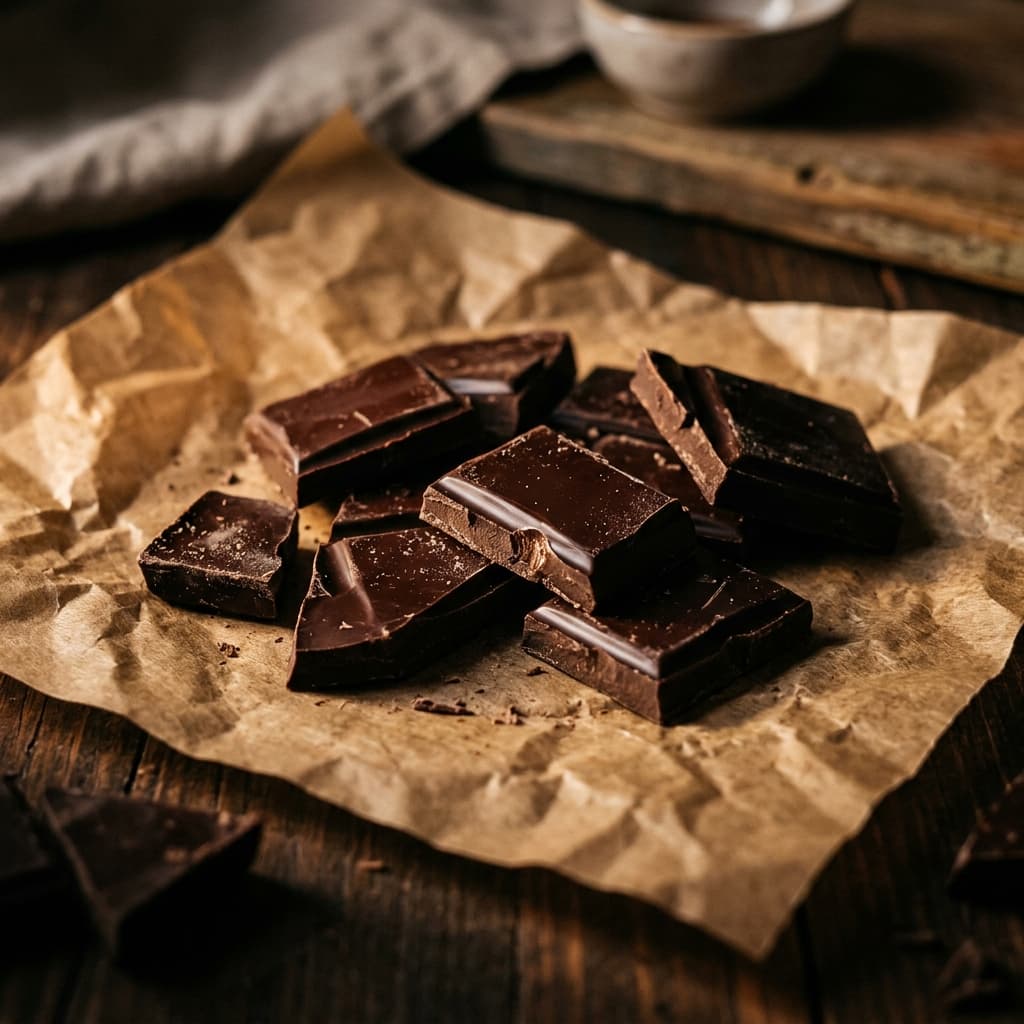
Yes, pure chocolate (cacao) in its raw, natural state is completely gluten-free. However, almost no one eats raw cacao. The vast majority of chocolate consumed is processed into commercial candy bars. Many popular chocolate bars contain gluten in the form of wheat flour (used in wafers or cookie pieces) or barley malt extract (used as a sweetener). Furthermore, chocolates processed in giant manufacturing facilities face a massive risk of cross-contamination.
The Halloween Candy Nightmare
It is the day after Halloween. Your child with celiac disease has sorted their candy into two piles: the "safe" pile and the "trade" pile.
They pick up a classic milk chocolate bar. It’s just milk chocolate, sugar, and milk. They eat it. An hour later, they are doubled over in pain.
How did that happen?
The ingredients on the label were safe, but the manufacturing facility was not. That chocolate bar was processed on the exact same conveyor belt that just finished producing thousands of chocolate-covered pretzel snacks. The machinery was covered in wheat dust.
📩 Want more tips like this?
Join celiacs getting weekly gluten-free tips, recipes, and hidden gluten alerts.
No spam. Unsubscribe anytime.
Where Does Gluten Hide in Chocolate?
When evaluating chocolate, you have to look for three major red flags:
1. Wafers and Cookies (The Obvious Culprit)
Candy bars like Twix, Kit Kat, and Crunch bars are inherently unsafe. They use wheat flour to create the cookie crunch or the wafer snap inside the chocolate. Unless you are buying a specifically formulated GF alternative (like Schar’s chocolate wafers), these are strictly off-limits.
2. Barley Malt Extract (The Hidden Culprit)
Many chocolate brands (including some varieties of Lindt truffles and Mars products) use barley malt extract to enhance the sweetness and depth of the chocolate flavor. Because the FDA does not require barley to be called out as a top allergen, it is often buried in the ingredient list. Barley malt is highly dangerous for celiacs.
3. Shared Equipment (The Invisible Culprit)
This is the most common reason celiacs get sick from chocolate. If a factory makes both pure chocolate bars and cookie-filled chocolate bars, they frequently use the same vats, molds, and conveyor belts. Microscopic crumbs of wheat are easily transferred into the pure chocolate.
Search Amazon for gluten-free chocolate
Amazon search results · Look for a certified gluten-free seal on the label
Gluten-Free chocolate on Amazon

Enjoy Life Semi-Sweet Mini Chips
Free from top 14 allergens
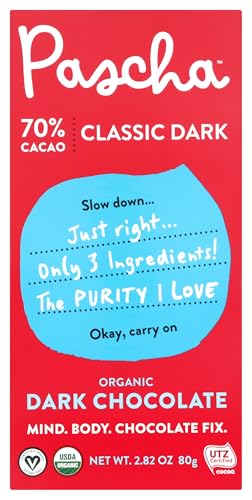
Pascha Organic Dark Chocolate
Dedicated allergen-free facility

Hu Simple Dark Chocolate
Short ingredient list, no emulsifiers
Safe Chocolate Brands You Can Trust
If you want to enjoy chocolate safely, stick to these trusted brands that test their products and maintain strict manufacturing protocols.
🍞 Tired of GF food that tastes like cardboard?
500+ gluten-free recipes, a baking masterclass and 4 weeks of meal plans — instant PDF download.
FAQs
Is cocoa powder gluten-free?
Yes, pure, unsweetened cocoa powder (like standard Hershey's Cocoa Powder) is naturally gluten-free and safe for baking. However, always check the label on hot cocoa *mixes*, as they sometimes contain thickeners or are processed on shared equipment.
Are M&Ms gluten-free?
Standard Milk Chocolate M&M's and Peanut M&M's are generally considered safe and do not contain gluten ingredients. However, Crispy M&M's contain barley malt, and Pretzel M&M's contain wheat. Seasonal holiday shapes are also frequently manufactured on shared lines with wheat products.
How can I easily check if my candy is safe?
Don't risk a celiac reaction over a candy bar. Download the Check Gluten App. Snap a photo of the ingredients, and our AI will instantly detect high-risk additives like barley malt or warn you about known cross-contamination practices for that specific brand.
🔍 Not sure about a product?
Photograph any food label and the AI reads every ingredient, including the 500+ names gluten hides under. Free for 14 days.
Search Amazon for gluten-free chocolate
Amazon search results · Look for a certified gluten-free seal on the label
Gluten-Free chocolate on Amazon
Enjoy Life Semi-Sweet Mini Chips
Free from top 14 allergens
Pascha Organic Dark Chocolate
Dedicated allergen-free facility
Hu Simple Dark Chocolate
Short ingredient list, no emulsifiers
Celiac Safety Glossary
- Celiac disease
- Celiac disease is a serious autoimmune disorder in which ingesting gluten — a protein found in wheat, barley, and rye — triggers an immune response that damages the small intestine's villi, affecting approximately 1 in 100 people worldwide according to the Celiac Disease Foundation.
- Gluten
- Gluten is a family of storage proteins (prolamins and glutelins) found naturally in cereal grains like wheat (including varieties like spelt, kamut, and farro), barley, and rye, which acts as a binder to give food elasticity and shape.
- Cross-contamination
- Cross-contamination (or cross-contact) occurs when gluten-free food comes into contact with gluten-containing food or surfaces — such as shared cutting boards, toasters, fryers, or utensils — rendering otherwise safe food dangerous for people with celiac disease.
- Gluten-free certification
- Gluten-free certification, such as the GFCO (Gluten-Free Certification Organization) seal, verifies that a product contains fewer than 10 parts per million (ppm) of gluten — stricter than the FDA's 20 ppm threshold for "gluten-free" labeling.
- Malt (Barley)
- Malt is fermented barley used as a flavoring or sweetener in cereals, chocolates, and beer; it is a major source of hidden gluten that is often overlooked on ingredient lists.
📢 Found this helpful? Share it!
Stop Guessing. Start Scanning.
Every ingredient label has hidden gluten risks. Check Gluten's AI catches them all — in 3 seconds flat.
Camera + text input
& cross-contamination
$0 today • cancel anytime

The Essential Celiac Cookbook & Survival Bundle
Stop stressing over dinner and crumbling bread. 300+ comfort mains, 200 baking masterclass recipes, 4-week meal plans, and grocery checklists.
About This Article
Check Gluten
Written with AI assistance and checked against published sources — not by a doctor or dietitian. Confirm anything that matters with the label, the manufacturer, or your own healthcare provider.
How our content is checked →Medical Disclaimer: This article is for informational purposes only and is not a substitute for professional medical advice. Always consult your physician or a registered dietitian before making dietary changes related to celiac disease or gluten sensitivity. Read full disclaimer.
📚Sources & Citations
- •Celiac Disease Foundation — celiac.org — Comprehensive research and patient resources on celiac disease
- •Beyond Celiac — beyondceliac.org — Research-driven celiac disease advocacy and resources
- •GFCO (Gluten-Free Certification Organization) — gfco.org — Certification standards (<10 ppm)
- •FDA Gluten-Free Labeling — fda.gov — Federal regulations for <20 ppm labeling
Content reviewed and fact-checked by our clinical & nutrition team. Last updated July 2026.
Never Miss a Hidden Gluten Alert
Weekly tips on safe eating, hidden gluten warnings, and recipes — free, and one click to unsubscribe.
Related Articles
Are M&M's Gluten-Free? Crispy vs. Peanut Butter Warnings
Plain M&M's are usually safe, but Crispy M&M's contain pure barley malt, and Peanut Butter M&M's are a cross-contamination risk. Here is the celiac guide to M&M's.
Are M&M's Gluten-Free? The Ultimate Celiac Candy Safety Guide
Plain M&M's are technically gluten-free, but Crispy and Pretzel flavors contain wheat and barley. Learn how to decode Mars Wrigley labels and avoid the cross-contamination trap.
The Ultimate Gluten-Free Candy Guide: Safe Sweets for Celiacs
Staring at the candy aisle? Twix and Kit Kat are out, but Reese's and Skittles are in. Here is the definitive guide to safe gluten-free candy at the movies and gas stations.
Are Gummy Bears Gluten-Free? Haribo No, Black Forest Yes
They are fruity, chewy, and seemingly innocent. But the gummy bear industry holds a massive hidden secret for celiacs: wheat-derived glucose syrup.